Why Barter Island Stands Out
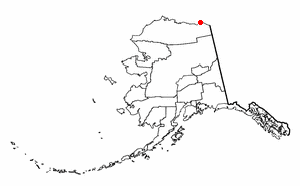
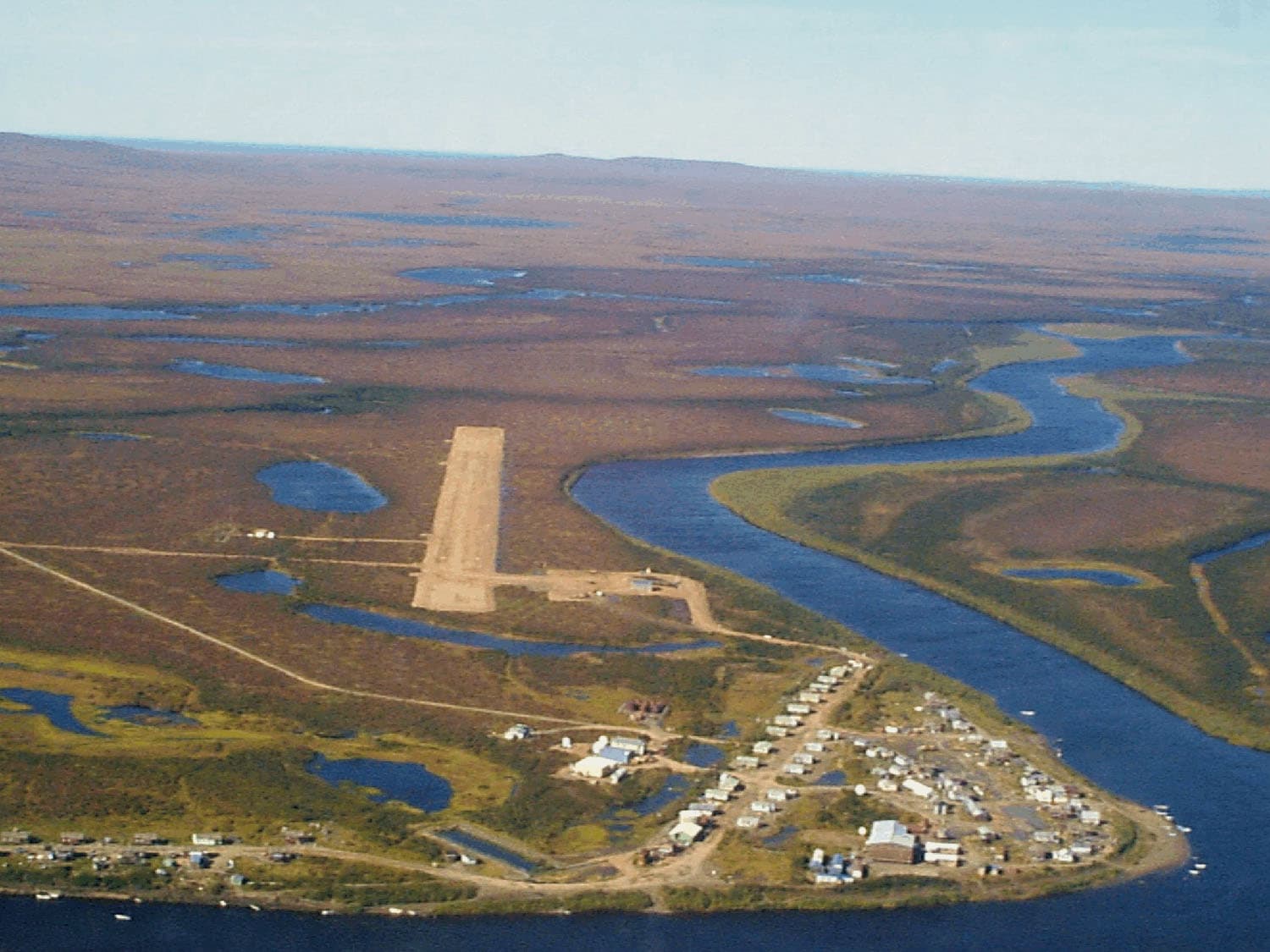
Barter Island sits in the Beaufort Sea just off Alaska’s North Slope, offering one of the most accessible windows into Arctic life. The Inupiat village of Kaktovik anchors the island, providing a living connection to centuries-old subsistence traditions alongside modern research outposts. Its position near the Arctic National Wildlife Refuge makes it a launch point for travelers seeking both wildlife and cultural depth rather than typical tourist infrastructure.
Getting There
Access requires a flight to Kaktovik Airport, usually via Fairbanks or Utqiaġvik with connections on small regional carriers. From the mainland, visitors reach the island by air; once on the ground, travel is limited to foot, ATV, or guided boat. No roads connect Barter Island to the rest of Alaska, so every trip involves careful planning around weather and limited flight schedules.
Best Time to Visit
Late August through early October brings the highest concentration of polar bears to the island’s northern shores as sea ice retreats. Summer months offer 24-hour daylight for extended exploration, while shoulder seasons reduce crowds and highlight migrating birds and caribou. Winter visits are possible but demand specialized cold-weather logistics and are mainly for researchers or experienced Arctic travelers.
What to See and Do
Guided boat or land tours focus on polar bear congregations near the community’s whale-bone piles and refuse site, where bears scavenge safely observed from a respectful distance. Cultural tours led by local residents explain traditional whaling, skin sewing, and the history of the Barter Island trading post that gave the island its name. Short hikes along the tundra reveal Arctic fox, snowy owls, and sweeping views of the Beaufort Sea. Photographers prize the dramatic light and ice formations that persist even in summer.
Nearby Attractions
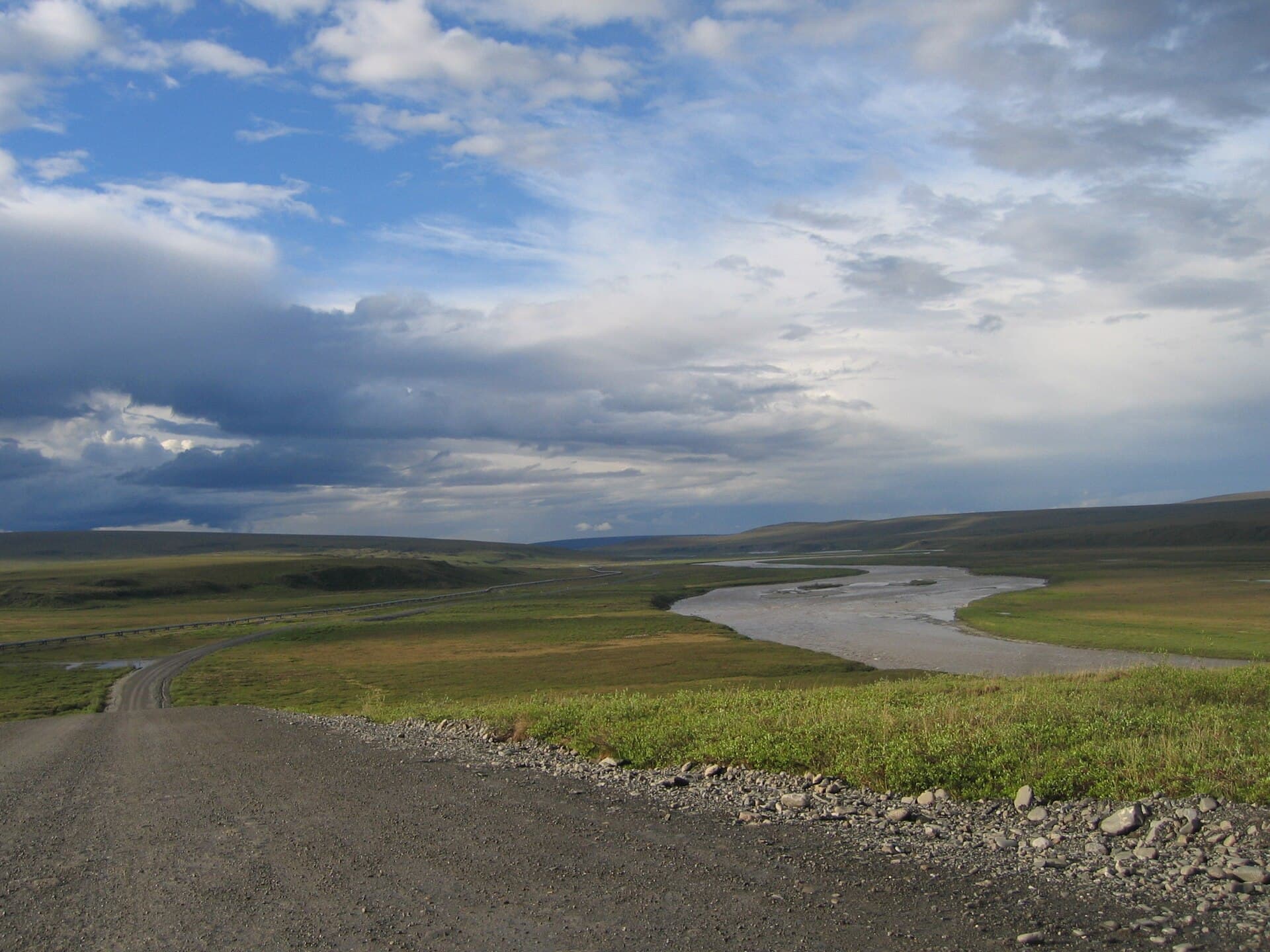
The island lies minutes from the western boundary of the Arctic National Wildlife Refuge, allowing day or multi-day excursions into the refuge’s coastal plain for additional wildlife and river paddling. The nearby Okpilak River and Jago River deltas offer birding and fishing opportunities. Historical radar sites from the Distant Early Warning line provide a glimpse of Cold War infrastructure still visible on the landscape.
Practical Considerations
Visitors must arrive self-sufficient with layered clothing, insect protection, and any required permits for refuge entry. Local operators coordinate most activities, ensuring travelers respect subsistence hunting zones and wildlife corridors. The remote setting rewards those who prioritize quiet observation over convenience.