Keep reading
Nearby & related
Dhaka
Bangladesh Police Liberation War Museum: Dhaka’s Tribute to 1971 Heroes
Uncover the Bangladesh Police’s crucial role in the 1971 Liberation War through powerful exhibits at this Dhaka museum.
24 September 2026
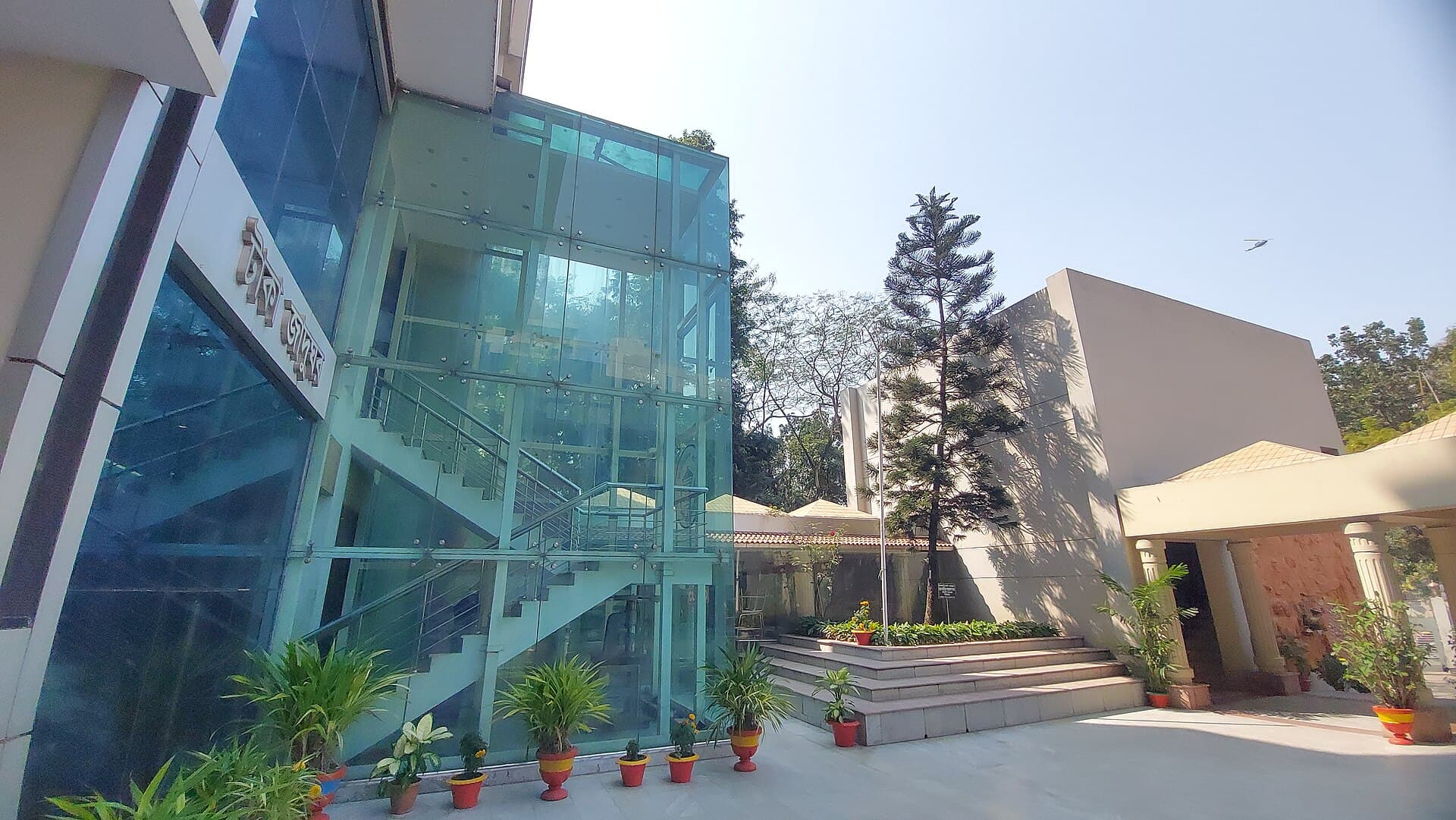
This Dhaka museum offers a focused look at the history, design, and cultural significance of the taka through rare notes and coins.
Located within the Bangladesh Bank complex in Dhaka, the Taka Museum preserves the story of the nation’s currency from its origins after independence to the present day. Visitors gain insight into how economic milestones, political changes, and artistic decisions shaped the taka notes and coins that circulate today. The collection emphasizes security features, printing techniques, and the transition from Pakistani-era designs to distinctly Bangladeshi ones.
Exhibits display early taka notes issued in 1972, featuring portraits of Sheikh Mujibur Rahman alongside agricultural and industrial motifs that reflected the new country’s priorities. Later series show updates in watermark technology, holograms, and color schemes introduced to combat counterfeiting. Coin displays cover commemorative issues marking independence anniversaries and national events. Informative panels explain the role of the Security Printing Corporation and how paper composition evolved from cotton-based stock to modern polymer trials. The compact layout encourages slow viewing; allow time to examine enlarged security-thread samples and compare pre- and post-1971 designs side by side.
The museum sits in central Dhaka near the Motijheel financial district. Most visitors arrive by ride-hailing apps or CNG auto-rickshaws from Gulshan or Banani. Public buses stop along the main roads leading to the bank complex; ask for the Bangladesh Bank gate. Foreigners should carry passport copies for entry registration, as the site operates under central-bank security protocols. Combine the visit with nearby financial landmarks for a half-day itinerary focused on modern Dhaka.
November through February offers the driest, most comfortable weather for walking between sites. Avoid the June-to-September monsoon when heavy rain can disrupt transport. After the museum, explore the nearby Dhaka University campus or the historic Ahsan Manzil palace along the Buriganga River, both reachable within 20 minutes by rickshaw. The area also provides easy access to the bustling markets of Old Dhaka for a contrast between currency history and everyday commerce.
Keep reading
Uncover the Bangladesh Police’s crucial role in the 1971 Liberation War through powerful exhibits at this Dhaka museum.
The exhibits focus on currency design and history, which can interest older students studying economics or Bangladeshi heritage; younger children may find the static displays less engaging.
Photography rules vary by exhibit; staff usually permit images of notes and coins but may restrict close-ups of security features.
Most visitors spend 45 to 90 minutes viewing the displays, depending on interest in numismatic details.
The ground-floor layout is generally flat, though visitors should confirm current accessibility arrangements with on-site staff upon arrival.
Staff may provide informal explanations upon request, but formal guided tours are not regularly scheduled; English-language information panels support self-guided visits.
Discover centuries of Bangladeshi creativity through paintings, sculptures, and installations at this central Dhaka…
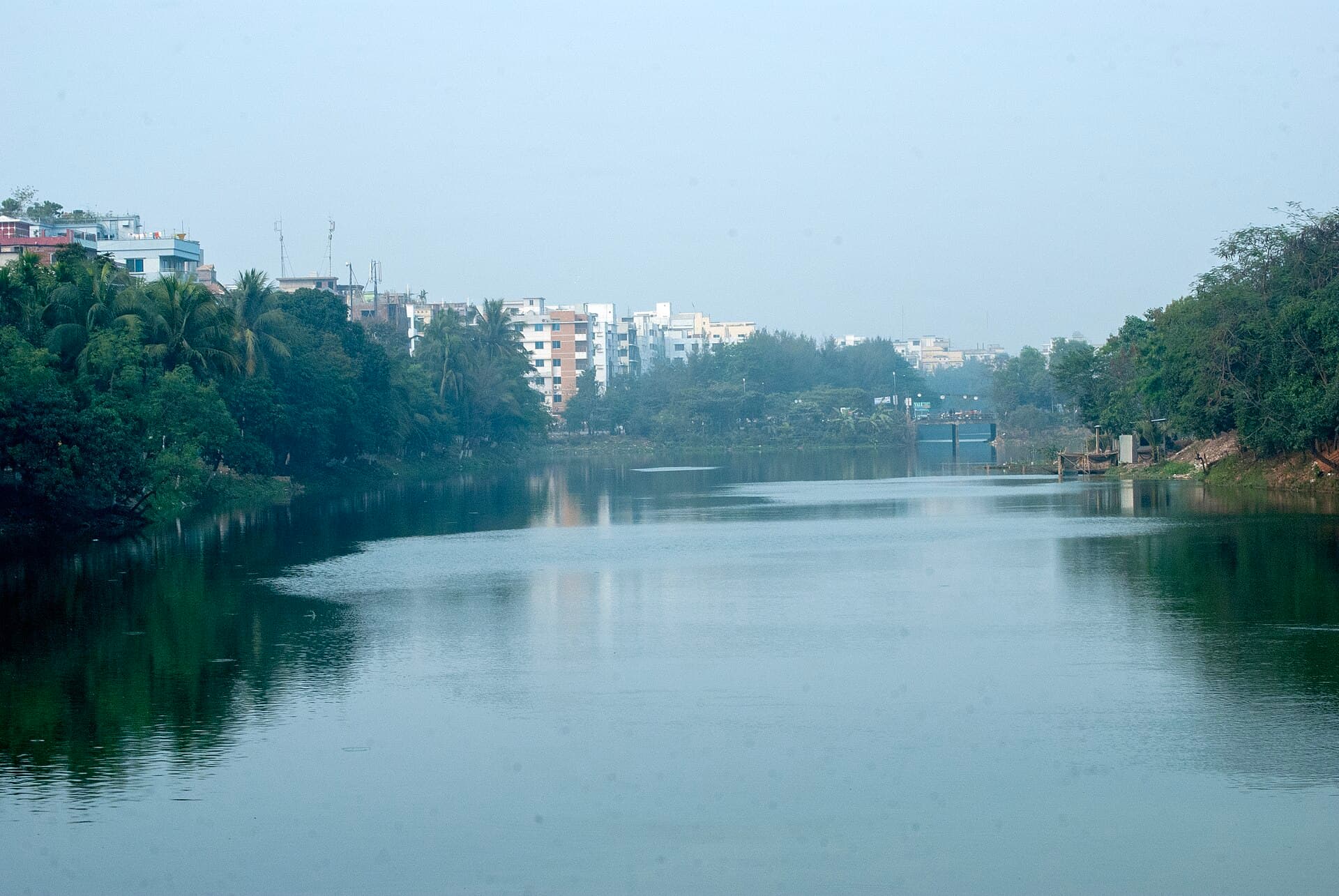
A calm waterside escape in one of Dhaka’s fastest-growing residential zones, perfect for morning walks and quiet…