The Buriganga’s Enduring Role in Dhaka
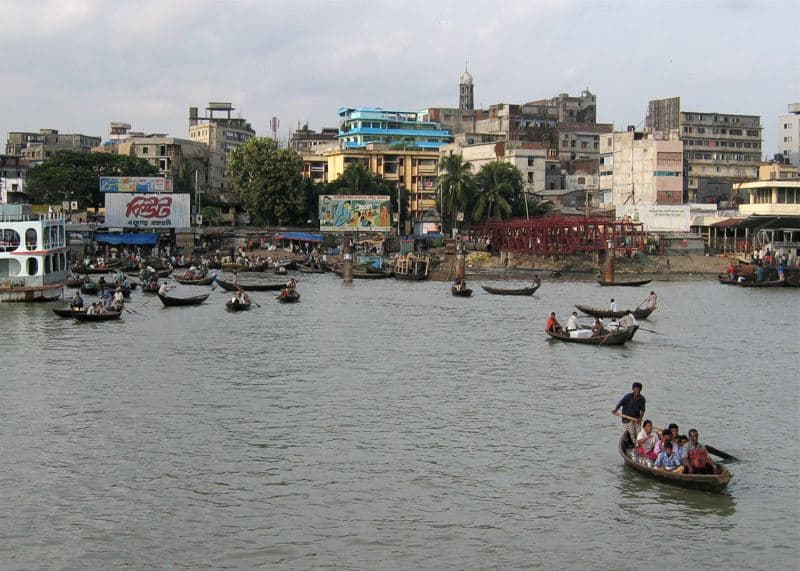
The Buriganga River flows directly through the southern edge of Dhaka, serving as the city’s historic gateway for trade and transport. Its muddy waters carry wooden launches, small cargo boats, and passenger vessels that connect the capital with southern Bangladesh, offering visitors an authentic view of riverine commerce that has continued for generations.
Boat Journeys and River Views
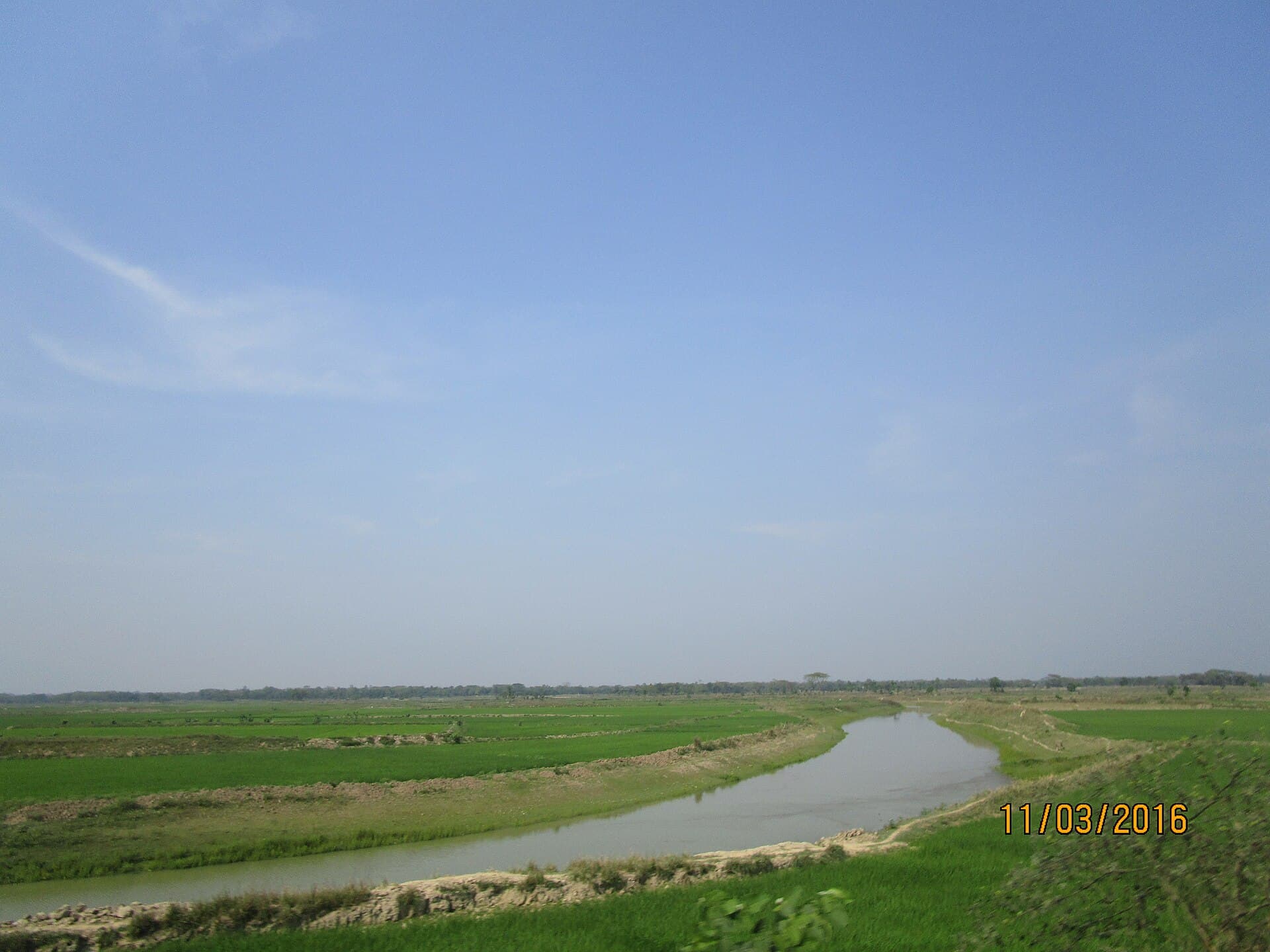
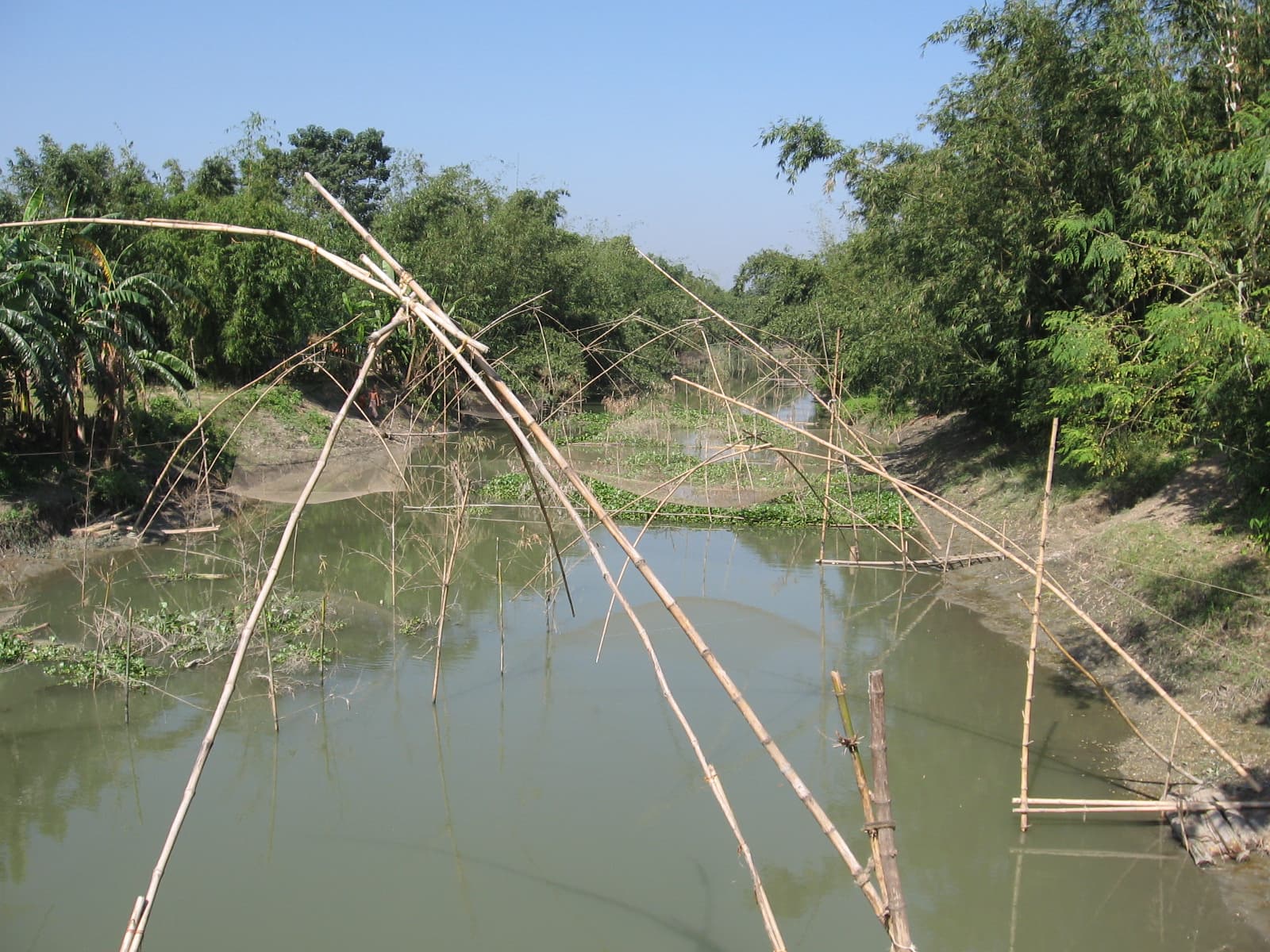
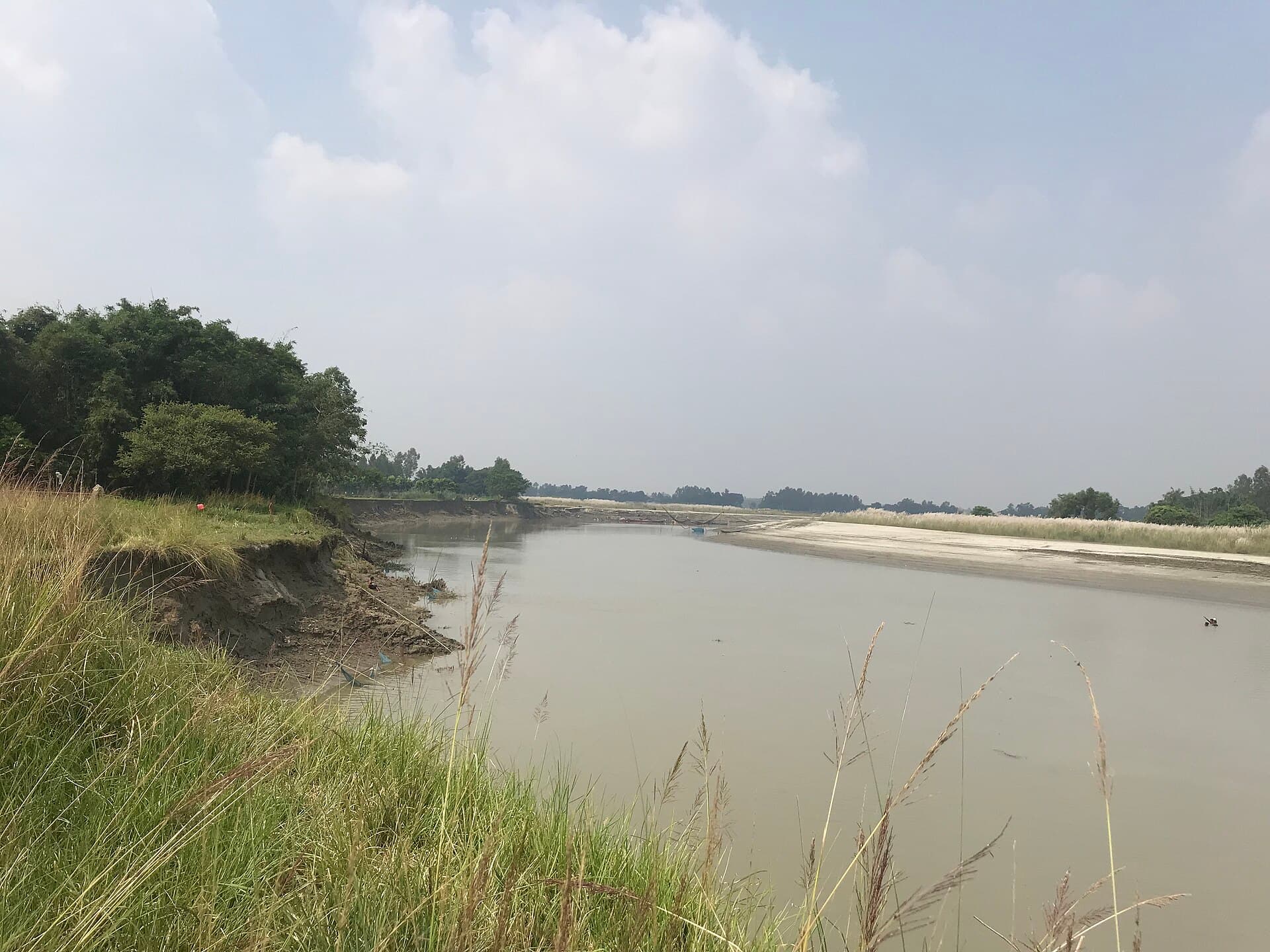
Short excursions from Sadarghat Launch Terminal reveal the river’s character. Passengers glide past crowded ghats where vendors load goods, children play along the banks, and centuries-old brick buildings of Old Dhaka rise behind the waterfront. Longer trips toward Keraniganj or Munshiganj provide quieter stretches with rural scenery and glimpses of brick kilns and fishing villages.
What to Expect on the Water
- Observe the constant movement of paddle steamers and rowboats that still form the backbone of regional transport.
- Watch the changing light on the water at sunrise or late afternoon, when reflections highlight the activity along both banks.
- Listen to the calls of boatmen and the rhythmic sounds of loading and unloading that define the working river.
Best Time to Visit
November through February brings cooler, drier weather that makes extended boat rides comfortable and improves visibility. The monsoon months transform the river’s width and speed, creating dramatic but sometimes turbulent conditions best suited to experienced travelers on larger vessels.
Reaching the Buriganga
Most visitors start at Sadarghat in Old Dhaka, easily reached by rickshaw or local bus from central areas such as Gulistan or Farmgate. From the terminal, local launches and rented rowboats depart regularly for short or day-long excursions along the river.
Nearby Attractions
Combine a river trip with exploration of Old Dhaka’s historic core. The nearby Ahsan Manzil palace, the narrow lanes of Shankhari Bazaar, and the bustling markets around Chowk Bazaar provide context for the river’s centuries-long influence on the city’s economy and architecture.