Skip to content
Plan & Tour
DestinationsItinerariesTravel BlogAboutContact
0Sign inPlan a trip
Plan & TourPlan & Tour

Travel guides, destination inspiration and curated itineraries for Canada, the USA and beyond, plus a free tool to plan your own day-by-day trip.

Get travel inspiration

Explore

  • All Destinations
  • Curated Itineraries
  • Travel Blog
  • Plan a Trip

Topics

  • Hiking & Nature
  • Food & Drink
  • City Breaks
  • Budget Travel

Company

  • About Us
  • Contact
  • Privacy Policy
  • Terms of Service

© 2026 Plan & Tour. Built for travellers.

Discover the world, one trip at a time.

Augustine Volcano: Hiking Alaska’s Remote Active Stratovolcano
  1. Home
  2. Destinations
  3. Alaska
  4. Augustine Volcano: Hiking Alaska’s Remote Active Stratovolcano
Mountain

Augustine Volcano: Hiking Alaska’s Remote Active Stratovolcano

Experience the raw power and pristine wilderness of Augustine Volcano on its isolated island in Cook Inlet.

AlaskaUpdated 13 August 2026

Why Visit Augustine Volcano

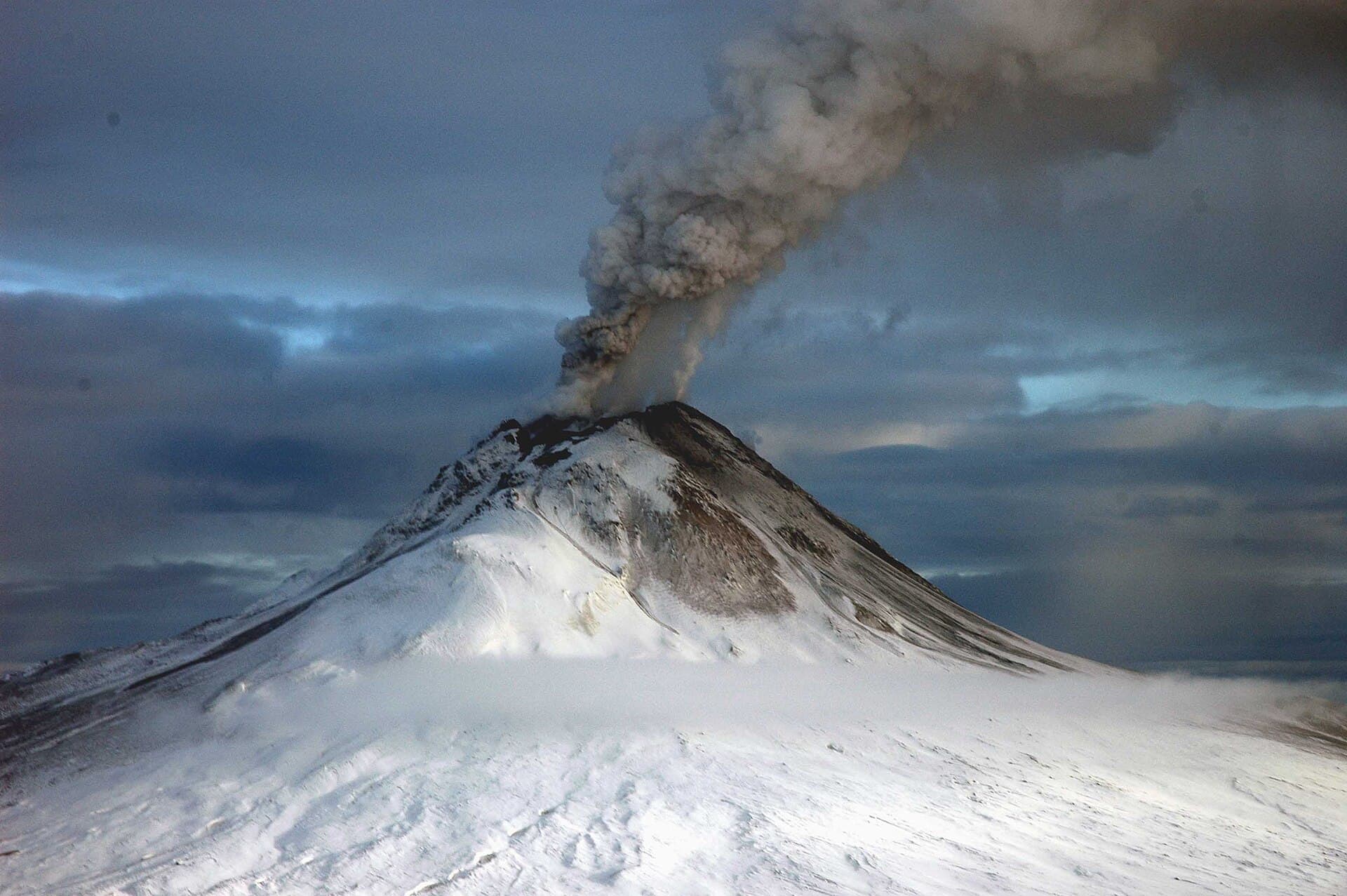
Augustine Volcano rises dramatically from Augustine Island in lower Cook Inlet, offering visitors a rare chance to stand on the slopes of an active stratovolcano. Its symmetrical cone, frequent steam plumes, and surrounding marine environment create a landscape shaped by repeated eruptions, most recently in 2006. The island remains uninhabited, preserving wild terrain that combines volcanic rock, ash fields, and coastal meadows.

Getting There

Access requires travel to Homer on the Kenai Peninsula, followed by a boat charter or floatplane flight across Cook Inlet. The crossing takes roughly two hours by vessel or under an hour by air. No scheduled ferry service exists, so independent travelers must arrange transportation with local operators familiar with tidal conditions and volcanic hazards. Once on the island, movement is on foot along beaches and established trails that ascend toward the lower flanks.

Best Time to Visit

June through early September provides the most reliable window, when daylight is long, seas are calmer, and snow has melted from lower elevations. Winter visits demand specialized logistics and carry higher risks from storms and ice. Shoulder months of May and late September can work for experienced groups but often bring stronger winds and lingering snow.

What to See and Do

Hiking routes lead across boulder-strewn slopes and through stands of alder toward viewpoints overlooking the summit crater. Wildlife viewing includes sea otters, harbor seals, and occasional brown bears along the shoreline. Photographers prize the contrast between the pale volcano and deep blue inlet waters. Some charters include circumnavigation of the island for close-up views of recent lava domes and pyroclastic deposits without landing.

Safety and Preparation

Augustine remains seismically monitored; visitors should review current activity reports from the Alaska Volcano Observatory before departure. Sudden weather changes, steep unstable slopes, and limited rescue access require solid backcountry skills. Guides typically carry satellite communication and maintain flexible itineraries based on conditions.

Nearby Destinations

Combine a volcano trip with exploration of Kachemak Bay State Park or the coastal trails around Homer. Further afield, the Katmai coast offers additional volcanic and bear-viewing opportunities reachable by the same air or sea services.

Visitor tips

  • Hire a local charter operator with current knowledge of Augustine Island landing sites and tidal windows.
  • Carry layers, rain gear, and extra food because weather can shift rapidly even in summer.
  • Confirm volcanic status through official monitoring sources the day before travel.

Frequently asked questions

How difficult is hiking on Augustine Volcano?+

Trails involve uneven volcanic terrain and moderate elevation gain; good boots and basic fitness are essential, but no technical climbing is required for lower slopes.

Can I visit Augustine Volcano without a guide?+

Independent landings are possible but strongly discouraged due to navigation challenges, wildlife, and lack of services; most visitors join chartered trips.

What wildlife might I encounter?+

Marine mammals such as sea otters and seals are common along the shore, while brown bears occasionally forage on the island's beaches and meadows.

Is camping allowed on Augustine Island?+

Overnight stays are rare and require careful planning; most trips are day visits because of the distance and limited safe camping areas.

How does Augustine compare to other Alaska volcanoes?+

Its island location and recent activity make it more remote than roadside volcanoes like Redoubt, yet more accessible than many Aleutian peaks for a single-day excursion.

Share
Google Maps Apple Maps Directions

Image: McGimsey, Game · Public domain · via Wikimedia Commons

Keep reading

Nearby & related

All stories
Sagavanirktok River: Rafting Alaska’s Remote Arctic Frontier
North Slope Borough

Sagavanirktok River: Rafting Alaska’s Remote Arctic Frontier

Experience the wild, roadless beauty of one of Alaska’s northernmost rivers on the North Slope.

17 August 2026
Buckland River: Remote Wilderness Fishing in Alaska’s Arctic Frontier
Northwest Arctic Borough

Buckland River: Remote Wilderness Fishing in Alaska’s Arctic Frontier

Paddle, fish, and explore the untouched Buckland River deep in northwest Alaska’s Arctic landscape.

17 August 2026
Gulkana River: Alaska’s Premier Salmon Fishing and Wilderness Float
Southeast Fairbanks Census Area

Gulkana River: Alaska’s Premier Salmon Fishing and Wilderness Float

The Gulkana River delivers remote Alaska wilderness, world-class salmon runs, and scenic multi-day floats in the Copper…

17 August 2026