Why Admiralty Island Stands Apart
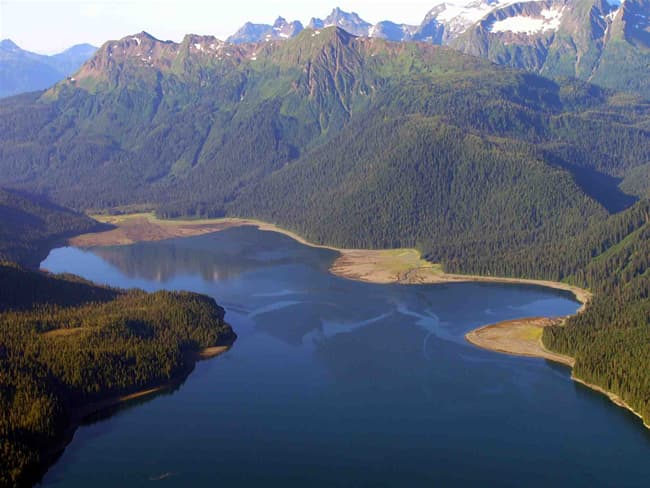
Admiralty Island rises from the waters of Southeast Alaska as one of the largest islands in the Alexander Archipelago. Nearly the entire landmass lies within Admiralty Island National Monument and the Kootznoowoo Wilderness, preserving the largest intact temperate rainforest in the United States. The island supports the highest density of brown bears found anywhere in North America, with an estimated one bear per square mile in prime habitat. Visitors encounter these animals against a backdrop of moss-draped Sitka spruce and western hemlock that have grown undisturbed for centuries.
Getting There
Access remains deliberately limited. Most travelers depart from Juneau, either aboard an Alaska Marine Highway ferry that stops at Angoon on the western shore or via floatplane that lands directly on inland lakes or coastal coves. From Angoon, water taxis or small-boat charters reach trailheads and bear-viewing sites. No roads cross the island, so every journey involves boats or floatplanes and requires careful planning around tides and weather.
Best Time to Visit
July and August bring the most reliable weather windows and peak bear activity along salmon streams. Early summer offers longer daylight for extended paddles, while September can deliver quieter trails and dramatic fall colors. Winter travel demands experienced winter camping skills and is rarely attempted by first-time visitors.
Wildlife and Activities
The Pack Creek area on the east side draws the most attention for bear viewing from elevated platforms. Beyond that well-known drainage, paddlers explore the sheltered coves of Mitchell Bay and the labyrinthine channels of the west coast. Anglers target halibut and salmon from skiffs, while hikers follow the narrow Cross-Admiralty Canoe Route that links a chain of lakes across the island’s narrow waist. Sea kayakers launch from Angoon to reach remote beaches where whales feed just offshore.
Nearby Destinations
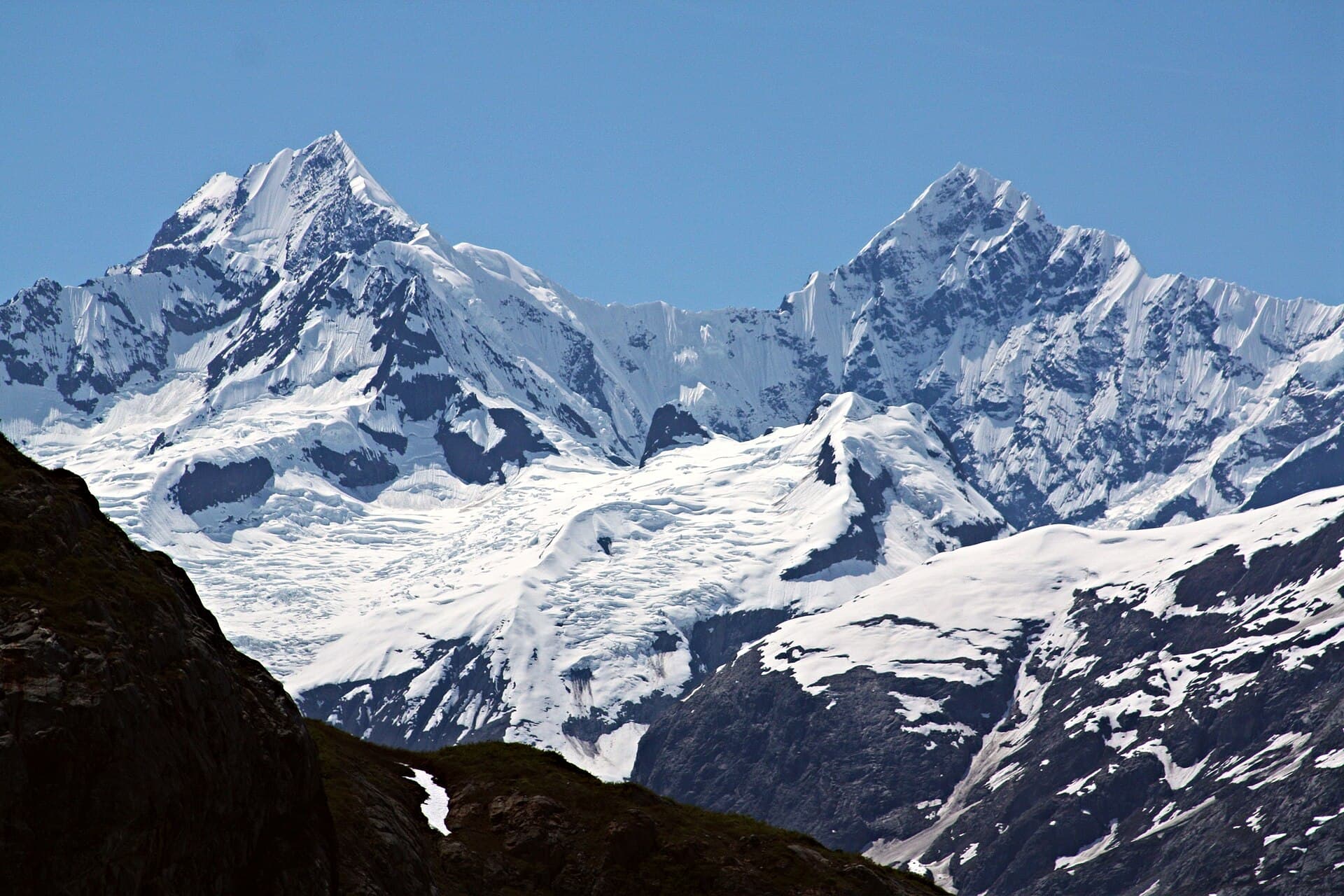
From Admiralty Island, travelers often continue to Glacier Bay National Park to the north or the historic waterfront of Sitka to the south. Juneau remains the practical hub for supplies, floatplane charters, and connections to the mainland.
- Respect the island’s wilderness character by traveling in small groups and carrying bear-resistant food containers.
- Study tide tables and weather forecasts daily; sudden wind shifts can turn protected waters hazardous within minutes.
- Carry a marine radio or satellite communicator, as cell coverage is nonexistent beyond the immediate vicinity of Angoon.