Skip to content
Plan & Tour
DestinationsItinerariesTravel BlogAboutContact
0Sign inPlan a trip
Plan & TourPlan & Tour

Travel guides, destination inspiration and curated itineraries for Canada, the USA and beyond, plus a free tool to plan your own day-by-day trip.

Get travel inspiration

Explore

  • All Destinations
  • Curated Itineraries
  • Travel Blog
  • Plan a Trip

Topics

  • Hiking & Nature
  • Food & Drink
  • City Breaks
  • Budget Travel

Company

  • About Us
  • Contact
  • Privacy Policy
  • Terms of Service

© 2026 Plan & Tour. Built for travellers.

Discover the world, one trip at a time.

Acotango: Scaling Bolivia’s Quiet Andean Volcano
  1. Home
  2. Destinations
  3. Sajama Province
  4. Acotango: Scaling Bolivia’s Quiet Andean Volcano
Mountain

Acotango: Scaling Bolivia’s Quiet Andean Volcano

Discover the stark beauty and high-altitude rewards of climbing Acotango in Sajama National Park.

Sajama ProvinceUpdated 11 October 2026

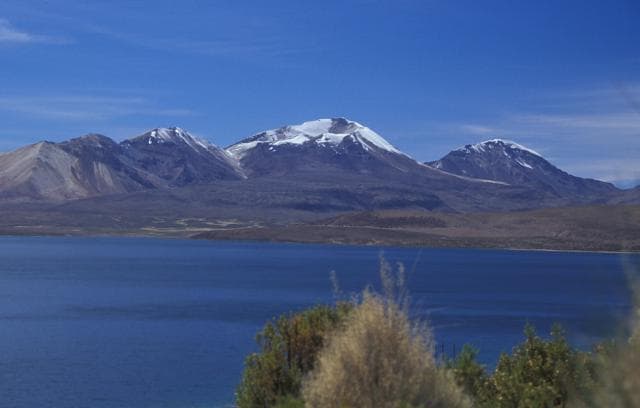
Acotango rises as a dormant stratovolcano on the Bolivia-Chile border inside Sajama National Park, offering climbers and hikers a relatively accessible 6,052-meter summit amid sweeping altiplano scenery.

Why Visit Acotango

The mountain stands out for its gentle western slopes that allow non-technical ascents for fit hikers while still delivering panoramic views of neighboring volcanoes such as Parinacota and Pomerape. On clear days the Pacific Ocean appears as a distant silver line, and the surrounding plains host herds of vicuña and flamingos in seasonal wetlands. Few tourists reach this corner of the park, so visitors often have the trail and summit to themselves.

Getting There

Most travelers start from La Paz, taking an overnight bus to the village of Sajama. From there, local 4×4 drivers can reach the base camp at roughly 4,800 meters along rough tracks. The final approach crosses open pampas and dry riverbeds; a high-clearance vehicle with spare tires and extra fuel is essential because services are nonexistent beyond the village.

Best Time to Visit

The dry season from May through October brings stable weather and minimal snow cover on the upper slopes. June to August offers the clearest skies for photography but also the coldest nights. November marks the start of occasional afternoon storms that can strand hikers.

Climbing and Hiking

The standard route begins at base camp and follows a broad ridge with loose scree and occasional snow patches near the top. Most parties reach the summit in six to eight hours round-trip. No technical gear is required in normal conditions, yet an ice axe and crampons are wise insurance from June onward. Acclimatization days spent exploring lower trails around Sajama village greatly improve success rates.

Nearby Attractions

  • Hot springs at Termas de Sajama provide welcome recovery after the climb.
  • The Sajama volcano itself offers a more demanding alternative ascent.
  • Pre-Inca chullpares dot the landscape and make rewarding short walks from camp.

Wildlife viewing improves at dawn and dusk when vicuñas graze near the road. Sunset from the crater rim often paints the entire Cordillera Occidental in alpenglow.

Visitor tips

  • Spend at least two nights at Sajama village (4,200 m) before attempting the summit to reduce altitude-sickness risk.
  • Hire a local driver and guide in Sajama; the unmarked tracks cross private grazing land and navigation is difficult without experience.
  • Carry at least three liters of water per person and extra layers for sudden temperature drops even in the dry season.

Frequently asked questions

How difficult is the Acotango climb?+

The route is non-technical but demanding due to altitude and loose terrain; most fit hikers with proper acclimatization reach the summit without ropes or crampons in summer.

Do I need a permit to climb Acotango?+

No special climbing permit is required, but visitors must pay the Sajama National Park entrance fee at the ranger station near the village.

What should I pack for an Acotango ascent?+

Sturdy trekking boots, trekking poles, warm layers, sun protection, and at least three liters of water per person are essential; a headlamp and basic first-aid kit are also recommended.

Can I visit Acotango without climbing to the summit?+

Yes. The lower slopes and surrounding pampas offer excellent day hikes with views of the volcano and opportunities to see wildlife without gaining extreme altitude.

Are there facilities near Acotango?+

Only basic lodging and simple restaurants exist in Sajama village; nothing is available at the mountain itself, so all food, water, and camping gear must be brought from La Paz or the village.

Share
Google Maps Apple Maps Directions

Image: Lee Siebert, Smithsonian Institution · Public domain · via Wikimedia Commons

Keep reading

Nearby & related

All stories
M
Sajama Province

Macizo de Pacuni: Trekking Bolivia’s Remote Andean Massif

A high-altitude massif in Sajama Province offering stark volcanic landscapes, wildlife viewing, and solitude for…

12 October 2026
A
Sajama Province

Asu Asuni: Trekking Bolivia’s Remote Andean Peak

Explore the stark volcanic landscapes and high-altitude trails of Asu Asuni in Sajama Province.

12 October 2026
M
Sajama Province

Macizo de Larancagua: Trekking Bolivia’s Remote Andean Volcanic Massif

A high-altitude wonderland of volcanic peaks, vast altiplano vistas, and wildlife-rich trails in Sajama Province.

12 October 2026