
Keep reading
Nearby & related
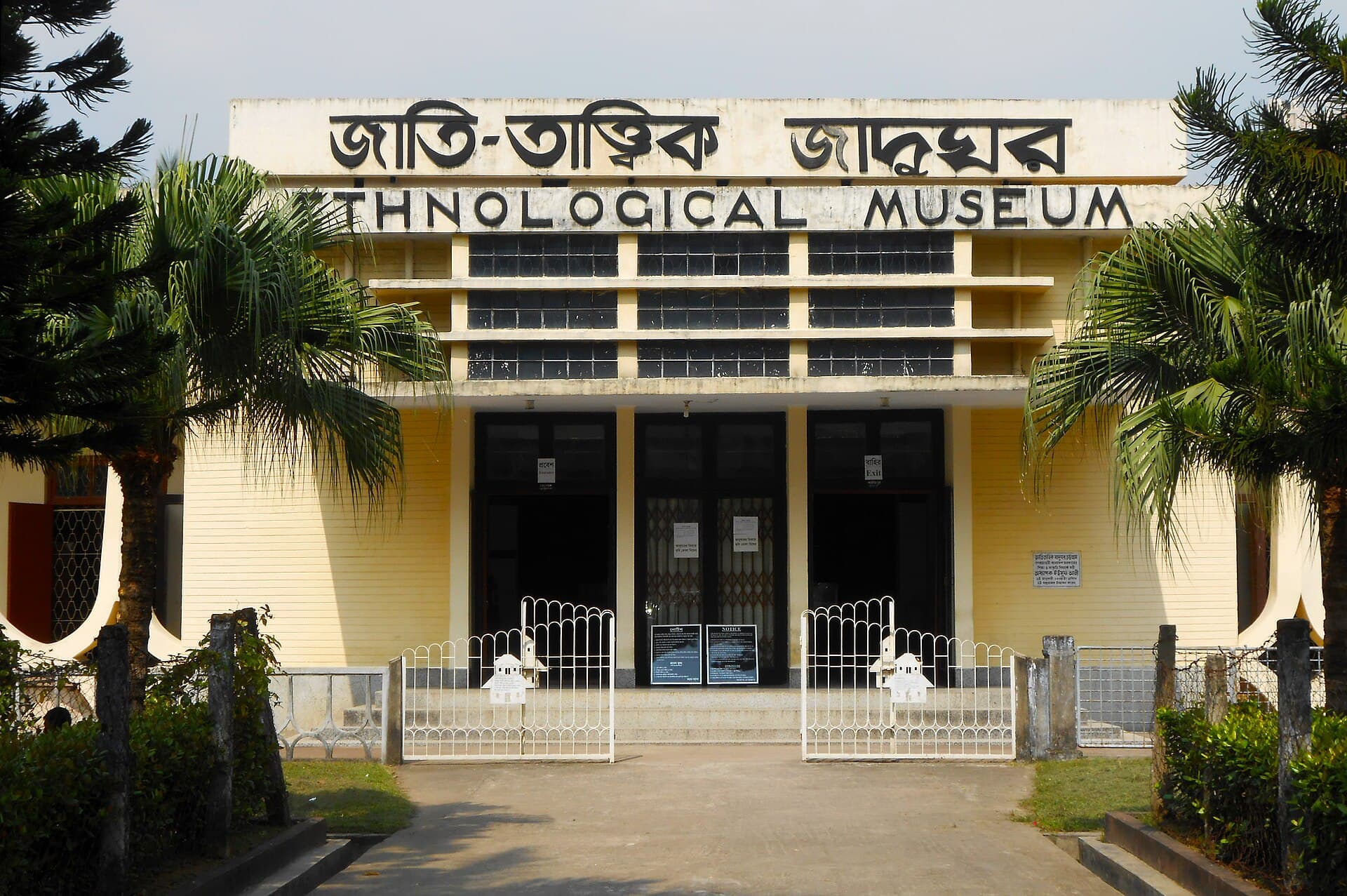
Ethnological Museum in Chattogram: Discovering Bangladesh’s Indigenous Heritage
Explore authentic artifacts, traditional dwellings, and cultural displays from the Chittagong Hill Tracts’ ethnic…
24 September 2026
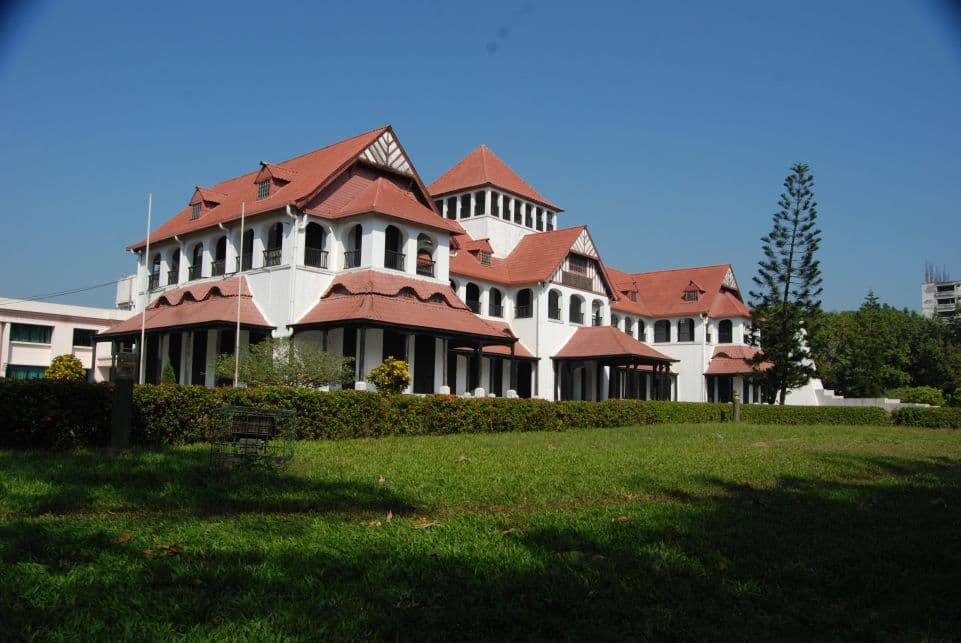
Discover the life of President Ziaur Rahman through personal artifacts and historic exhibits at this Chittagong landmark.
The Zia Memorial Museum stands as a significant cultural landmark in Chittagong, offering visitors an intimate look at the life and contributions of Ziaur Rahman, Bangladesh’s former president and a key figure in the nation’s independence movement. Housed in a modest building that once served as his residence, the museum preserves a collection of personal belongings, documents, and photographs that illuminate his role in shaping modern Bangladesh.
Exhibits focus on Ziaur Rahman’s military career, political achievements, and family life. Visitors can examine his uniforms, medals, and handwritten notes alongside displays detailing the 1971 Liberation War. The museum’s layout guides guests through chronological rooms, ending with a memorial space that highlights his vision for the country. Photography is permitted in most areas, allowing time to reflect on the historical context provided by informative plaques.
Allow at least ninety minutes to explore fully. The site combines indoor galleries with a small garden area where visitors can pause and consider the surrounding neighborhood’s connection to national events. Guided tours in Bengali and English are sometimes available through local cultural organizations.
Located in central Chittagong, the museum is easily reached by rickshaw, CNG auto-rickshaw, or ride-hailing apps from the city’s main bus terminals and railway station. Travelers arriving by air can take a taxi from Shah Amanat International Airport, which typically takes thirty to forty minutes depending on traffic. Public buses serving Agrabad and nearby commercial districts stop within walking distance.
Chittagong experiences a tropical climate, so the cooler months from November through February offer the most comfortable conditions for walking between exhibits and exploring the grounds. Monsoon season brings heavy rains that can make outdoor movement less pleasant, while summer heat may limit time spent outdoors. Weekday mornings generally see fewer visitors, providing a quieter atmosphere for contemplation.
After your visit, consider extending the day to other Chittagong highlights. The Ethnological Museum provides insight into the region’s indigenous cultures, while the bustling Anderkilla Shahi Jame Mosque offers architectural interest. A short drive leads to the scenic hills and tea estates on the outskirts of the city, giving a broader sense of the area’s natural and cultural diversity.
Keep reading
Explore authentic artifacts, traditional dwellings, and cultural displays from the Chittagong Hill Tracts’ ethnic…
Ziaur Rahman was a military leader and president who played a central role in Bangladesh's 1971 independence and later economic reforms; the museum preserves his legacy through personal items and historical records.
Yes, older children with an interest in history will find the exhibits educational, though younger visitors may need guidance through the more somber memorial sections.
Most guests spend between one and two hours exploring the indoor displays and garden area.
Photography is generally allowed in the galleries but flash is discouraged near delicate artifacts and certain memorial areas.
The museum remains open most days, but crowds increase on weekends; checking local schedules in advance helps plan a calmer visit.