
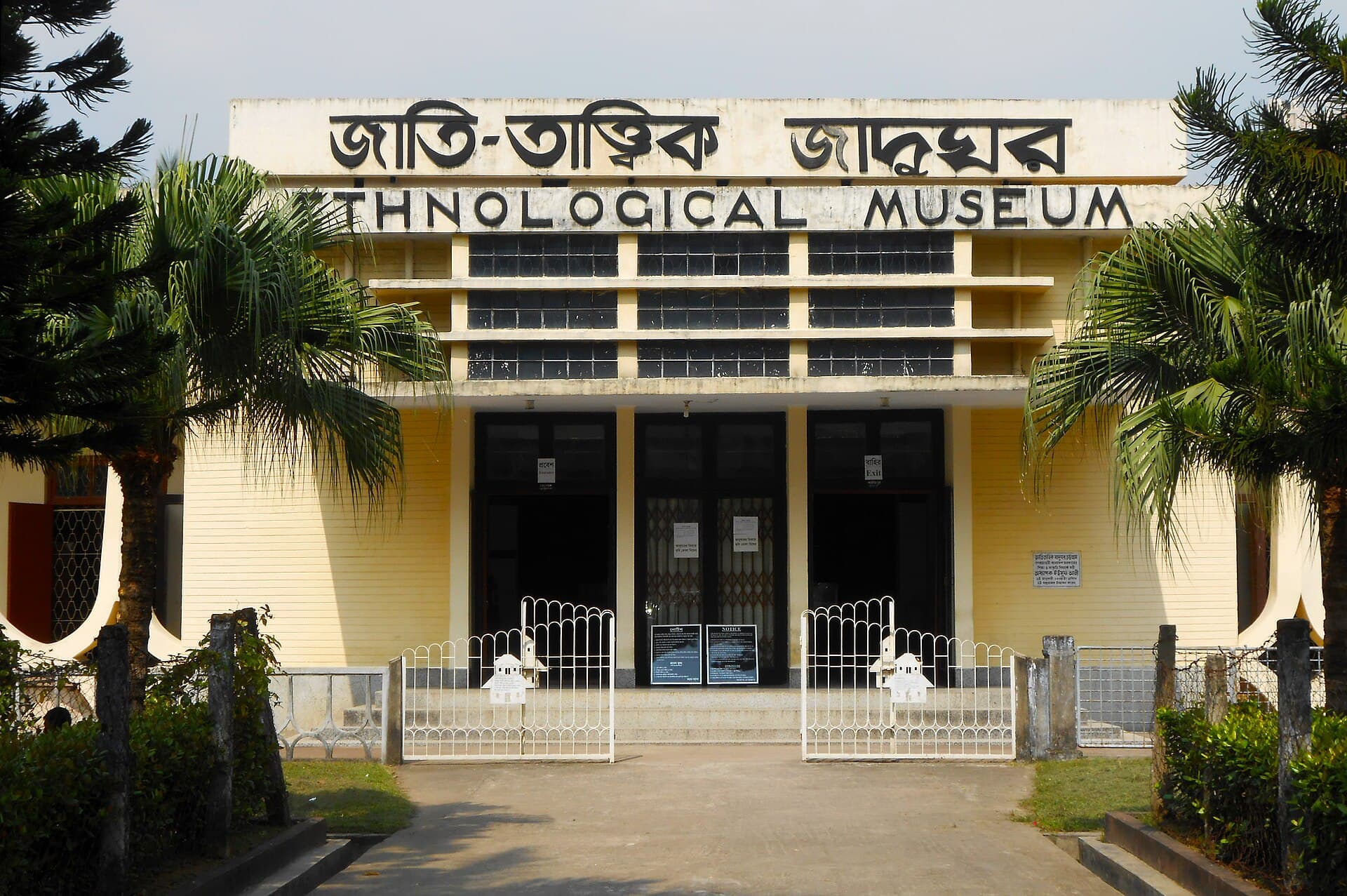
Ethnological Museum in Chattogram: Discovering Bangladesh’s Indigenous Heritage
Explore authentic artifacts, traditional dwellings, and cultural displays from the Chittagong Hill Tracts' ethnic communities at this specialized museum.
Why the Ethnological Museum Stands Out
The Ethnological Museum in Chattogram preserves and presents the material culture of Bangladesh’s indigenous groups, especially those from the Chittagong Hill Tracts. Visitors encounter rare examples of handwoven textiles, bamboo instruments, ritual objects, and miniature models of traditional homes that reveal daily life, beliefs, and craftsmanship passed down through generations. The museum offers a focused, respectful introduction to communities such as the Chakma, Marma, Tripura, and Mro without requiring travel into remote hill areas.
What to See Inside
Ground-Floor Ethnographic Displays
Large dioramas reconstruct village scenes complete with thatched houses, fishing nets, and agricultural tools. Life-size mannequins wear distinctive jewelry and clothing that differentiate each ethnic group by pattern, color, and material.
Upper Galleries of Craft and Ritual
Cases hold finely carved wooden masks, brass gongs, and ceremonial headdresses used in festivals. Detailed labels explain the significance of motifs such as the peacock for the Chakma or the buffalo horn for the Marma. A small collection of historic photographs shows how these communities adapted during the mid-twentieth century.
Getting There and Practical Access
The museum sits in the Agrabad commercial district, easily reached by rickshaw or local bus from the city’s main railway station or Shah Amanat International Airport. Most travelers combine the visit with a half-day circuit that includes nearby mosques and the port area. Wide pathways and ground-floor exhibits make the site manageable for visitors with limited mobility.
Best Time to Visit
November through February offers the most comfortable temperatures and lowest rainfall, ideal for walking between the museum and adjacent sites. The monsoon months bring heavy showers that can limit outdoor movement, though indoor galleries remain open and less crowded.
Nearby Places Worth Combining
- Shrine of Hazrat Shahjalal and the adjacent old city lanes for architectural contrast.
- Chattogram War Cemetery, a short drive away, for historical context on the region’s twentieth-century past.
- Patenga Beach for an evening stroll after the museum closes.
Visitor tips
- Allow at least ninety minutes to read the exhibit labels and absorb the cultural details; rushing reduces the experience.
- Carry a light scarf or shawl for air-conditioned galleries and modest dress when moving on to religious sites afterward.
- Hire a local guide or use a translation app for deeper context on the less-labeled ritual objects.
Frequently asked questions
How long should I plan to spend at the Ethnological Museum?
Most visitors find two hours sufficient to view all galleries at a comfortable pace.
Is the museum suitable for children?
Yes, the dioramas and models of traditional houses particularly engage younger visitors interested in different ways of life.
Can I take photographs inside?
Photography is generally permitted in the public galleries without flash, but always confirm current policy at the entrance.
Are there English explanations for the exhibits?
Most display labels appear in both Bengali and English, though some older items have shorter English text.
Is the museum accessible for wheelchair users?
The ground floor is fully accessible with ramps; upper levels require stairs.