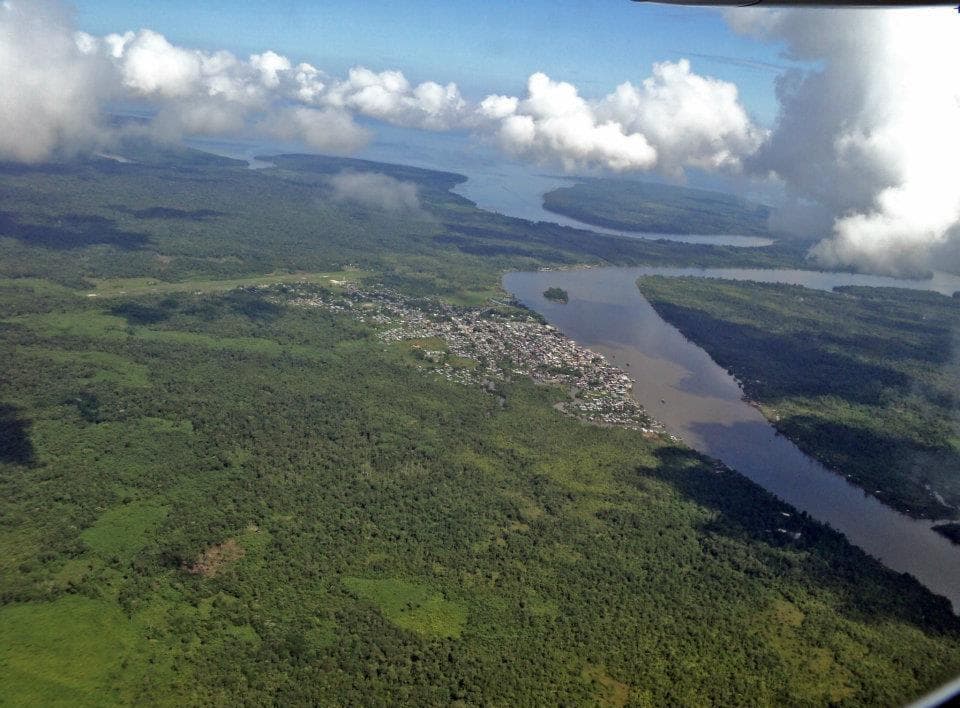
Why the Yurumanguí River Stands Out
The Yurumanguí River winds through the humid Pacific lowlands of Valle del Cauca, carving a path through dense tropical rainforest that remains largely undeveloped. Its dark waters support exceptional biodiversity, including troops of howler monkeys, colorful toucans and macaws, and river turtles that nest on sandy banks. The surrounding forest belongs to Afro-Colombian communities whose traditional fishing, plant-based crafts, and oral histories add cultural depth rarely found on more commercialized Colombian rivers.
Activities Along the River
Visitors typically travel by motorized canoe or traditional dugout, stopping at community-led sites for guided forest walks that highlight medicinal plants and bird calls. Fishing with local residents or spotting caimans at dusk provides intimate river experiences. Upstream stretches reward longer trips with quieter stretches ideal for photography and quiet observation of the canopy.
Getting There
Access begins in Buenaventura, where licensed boat operators depart from the main port for the multi-hour journey upriver. Travelers from Cali can reach Buenaventura by paved road in roughly three hours before transferring to water transport. No road reaches the upper river sections, preserving the area’s isolation.
Best Time to Visit
Travel is possible year-round, yet the driest months from December through March offer lower water levels that ease navigation and increase chances of seeing wildlife on exposed banks. Even then, expect frequent showers typical of the Chocó biogeographic region.
Exploring Nearby
Many visitors combine a Yurumanguí trip with time on the Pacific coast near Buenaventura or short flights to Isla Gorgona for marine life. Inland, the forests transition toward the western Andes, where coffee-growing towns of northern Valle del Cauca provide contrast to the lowland humidity.