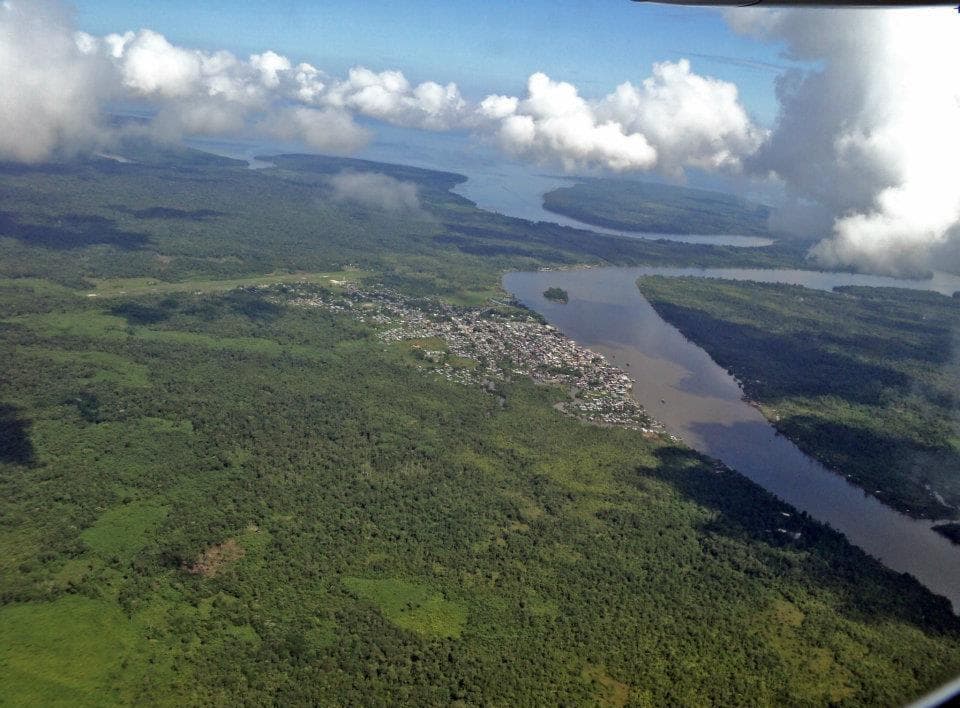
Why the Guapi River Belongs on Your Colombia Itinerary
The Guapi River winds through the humid Pacific lowlands of Valle del Cauca, offering travelers a rare window into Colombia’s coastal rainforest ecosystem. Clear tannin-stained waters reflect dense stands of mangroves and towering ceiba trees while supporting manatees, river otters, and more than 200 bird species. Unlike more developed Caribbean rivers, the Guapi remains largely untouched, giving visitors an authentic sense of wild Colombia.
Getting There
Most travelers fly into Cali’s Alfonso Bonilla Aragón International Airport, then continue by road to the port city of Buenaventura. From Buenaventura, local boats or small launches head south along the coast and into the river mouth; the journey typically takes three to five hours depending on tides and weather. Independent drivers can reach the river via the unpaved coastal road that branches off the main Buenaventura–Cali highway near the village of San Cipriano, though a 4×4 is recommended during the wetter months.
What to See and Do
Guided canoe or kayak excursions let you glide silently past mangrove roots where crabs and shrimp thrive. Early-morning birding tours reveal toucans, kingfishers, and the striking scarlet ibis. Local guides also lead short hikes into the adjacent forest where medicinal plants and cacao grow wild. Fishing for snook and tarpon is popular with catch-and-release practiced to protect stocks. At dusk, bioluminescent plankton sometimes lights the water’s surface during night paddles.
Best Time to Visit
The Pacific coast receives rain year-round, yet January through April brings slightly drier conditions and calmer seas that improve boat access. Avoid the peak rainy months of October and November when river levels rise and trails become muddy. Early mornings offer the best wildlife sightings before afternoon showers arrive.
Nearby Attractions
Combine a river trip with a visit to the San Cipriano Nature Reserve, where you can ride “brujitas” rail carts through the jungle. Further south lies the Utría National Natural Park with its turtle nesting beaches, while the historic port of Buenaventura provides urban contrast and fresh seafood markets.
Practical Considerations
Pack lightweight rain gear, insect repellent, and sturdy water shoes. Most excursions are arranged through community tourism associations that employ local guides and supply equipment. Cash in Colombian pesos is essential; card acceptance is rare outside Buenaventura.