Why Phnom Kulen Matters
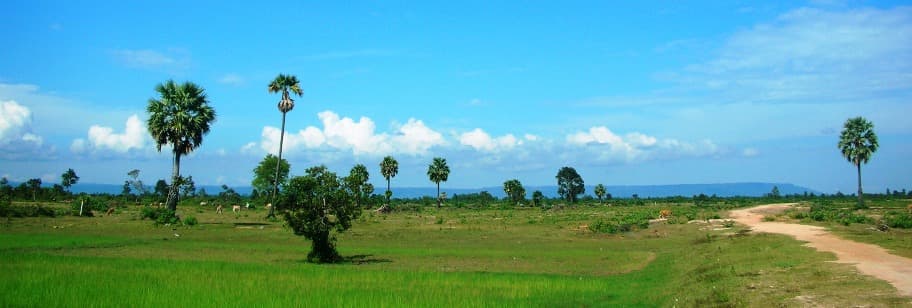
Phnom Kulen rises as the spiritual and geographic source of the Siem Reap River, the waterway that once fed the temples of Angkor. In 802 CE, Jayavarman II declared himself god-king here, marking the start of the Angkorian era. Today the 400-metre-high plateau remains a protected national park where pilgrims, hikers, and history seekers follow the same forested trails.
Key Sites and Activities
Kbal Spean
Follow a 1.5-kilometre shaded trail to the “River of a Thousand Lingas.” Tenth-century artisans carved hundreds of phallic symbols, Vishnu figures, and nagas directly into the sandstone riverbed. Water flows over the carvings year-round, creating a living shrine.
Phnom Kulen Waterfalls
Two main cascades tumble into natural pools where visitors cool off after the hike. The larger fall drops roughly 15 metres; the upper pool is wide enough for swimming when water levels allow. Local families often picnic on the rocks below.
Preah Ang Thom and the Reclining Buddha
At the summit sits a 16-metre reclining Buddha carved into a boulder, sheltered by a modern pavilion. Nearby stands a modest pagoda and several active hermitages. Monks welcome respectful visitors who remove shoes before entering.
Getting There from Siem Reap
Most travellers hire a tuk-tuk or private driver for the 50-kilometre journey northeast. The road is paved until the final climb, after which a short, steep dirt track leads to the ticket checkpoint. Motorbike rentals are possible but require caution on the loose gravel near the falls. Combine the trip with Banteay Srei temple in the morning for a full-day itinerary.
Best Time to Visit
The cool-dry season from November to February offers the most comfortable temperatures and clearest trails. Water levels drop in March and April, yet the pools remain swimmable. Heavy monsoon rains from June to October can make the access road slippery and close sections of Kbal Spean.
Nearby Attractions
- Banteay Srei – intricate pink-sandstone temple, 25 km south
- Landmine Museum – educational stop on the return route
- Chong Kneas floating village on Tonlé Sap – possible afternoon extension