
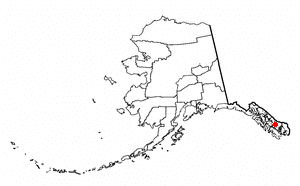
Wrangell Island: Remote Wilderness and Tlingit Heritage in Southeast Alaska
Explore ancient petroglyphs, bear viewing, and salmon-rich waters on this quiet island in Alaska's Tongass National Forest.
Why Wrangell Island Stands Out
Wrangell Island sits in the heart of Southeast Alaska’s Inside Passage, offering visitors a less crowded alternative to more famous Alaskan destinations. The island’s dense rainforest, rugged coastline, and proximity to the Stikine River create opportunities for wildlife viewing and cultural exploration that feel genuinely remote. Tlingit history remains visible in standing totem poles and rock carvings, while the surrounding waters support strong runs of salmon that draw both anglers and hungry bears.
Getting There
Most travelers reach Wrangell Island by ferry on the Alaska Marine Highway System from Juneau or Ketchikan, enjoying scenic passages through protected channels. Small planes also land at the local airport, providing faster access from larger hubs. Once on the island, a compact road network and water taxis make it easy to reach trailheads and coastal sites without needing a vehicle.
Top Attractions
Petroglyph Beach State Historic Park
Short walks along the shoreline reveal dozens of ancient rock carvings depicting animals and human figures. Low tide offers the best viewing, and interpretive signs explain their cultural context.
Chief Shakes Island
A short boat ride from the harbor leads to a small island where restored clan houses and carved totem poles illustrate Tlingit social structure and artistry. The site provides a tangible connection to the island’s first inhabitants.
Anan Wildlife Observatory
Accessible by boat or floatplane, this platform overlooks a salmon stream where black and brown bears fish in summer. The setting allows close observation while maintaining safe distances.
Outdoor Activities
- Guided or self-guided fishing for king and silver salmon in local rivers and saltwater.
- Hiking through old-growth forest on trails such as the Rainbow Falls or Institute Creek paths.
- Boating up the Stikine River for glacier views and sandbar wildlife sightings.
- Kayaking sheltered bays to spot seals and seabirds.
Best Time to Visit
June through early September brings the mildest weather, active salmon runs, and peak bear activity. Shoulder months of May and September offer fewer visitors and lingering daylight, while winter visits appeal mainly to those seeking solitude and northern lights potential.
Visitor tips
- Bring layered rain gear and sturdy waterproof boots, as precipitation is frequent even in summer.
- Book bear-viewing trips and fishing charters in advance during peak season, since capacity is limited by permit.
- Respect private Native land and always follow Leave No Trace principles when hiking or camping.
Frequently asked questions
How do I reach Wrangell Island from the mainland?
The most common route is the Alaska Marine Highway ferry from Juneau or Ketchikan, or a short flight into Wrangell Airport.
What wildlife is easiest to see on Wrangell Island?
Black bears, bald eagles, seals, and salmon are commonly spotted; brown bears appear at Anan Creek during summer.
Are there hiking trails suitable for beginners?
Yes, several short, well-maintained paths such as Rainbow Falls offer easy access to forest and waterfall scenery.
Can I visit totem poles without a guide?
Chief Shakes Island and Petroglyph Beach can be reached independently, though guided tours provide deeper cultural context.
What should I pack for a day on the water?
Waterproof layers, binoculars, insect repellent, and a reusable water bottle are essential for boat trips and shoreline walks.