Skip to content
Plan & Tour
DestinationsItinerariesTravel BlogAboutContact
0Sign inPlan a trip
Plan & TourPlan & Tour

Travel guides, destination inspiration and curated itineraries for Canada, the USA and beyond, plus a free tool to plan your own day-by-day trip.

Get travel inspiration

Explore

  • All Destinations
  • Curated Itineraries
  • Travel Blog
  • Plan a Trip

Topics

  • Hiking & Nature
  • Food & Drink
  • City Breaks
  • Budget Travel

Company

  • About Us
  • Contact
  • Privacy Policy
  • Terms of Service

© 2026 Plan & Tour. Built for travellers.

Discover the world, one trip at a time.

Wilhelm Benque Denkmal: A Tribute to Bremen’s Pioneering Photographer
  1. Home
  2. Destinations
  3. Bremen
  4. Wilhelm Benque Denkmal: A Tribute to Bremen’s Pioneering Photographer
Monument

Wilhelm Benque Denkmal: A Tribute to Bremen’s Pioneering Photographer

Visit the Wilhelm Benque Denkmal to discover the quiet memorial honoring the 19th-century photographer who captured Bremen’s early industrial era.

BremenUpdated 14 October 2026

Discovering the Wilhelm Benque Denkmal

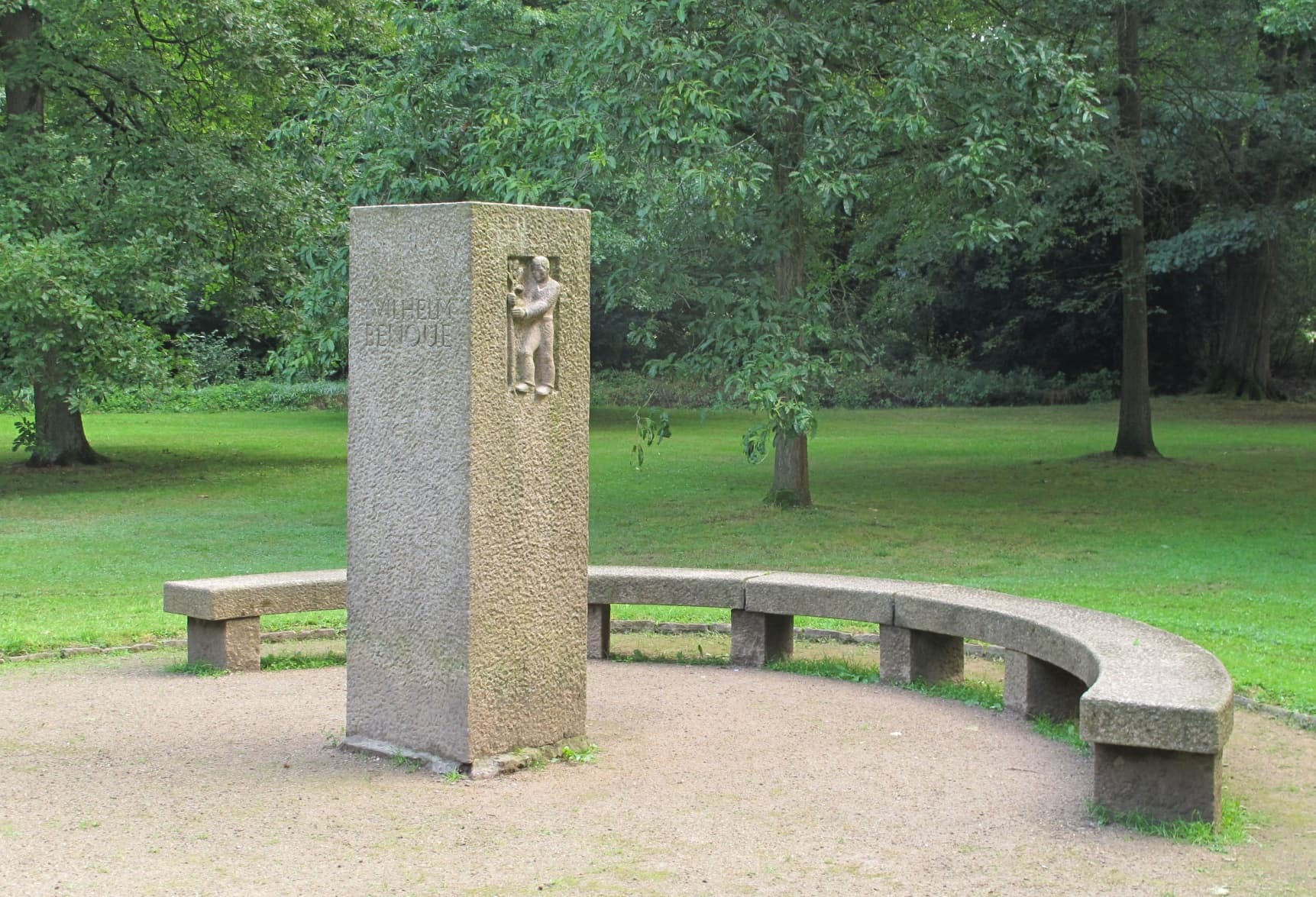
Located in a leafy corner of Bremen, the Wilhelm Benque Denkmal stands as a modest yet meaningful tribute to one of the city’s most important visual chroniclers. Wilhelm Benque (1840–1903) was a pioneering photographer whose images documented the rapid growth of Bremen’s port, its shipyards, and daily life along the Weser River during the late 1800s. The monument, a simple stone sculpture set on a low plinth, invites visitors to pause and reflect on how photography helped shape the city’s historical record.

History and Significance

Benque opened one of Bremen’s first professional photography studios and produced thousands of glass-plate negatives that now form part of the city’s cultural archive. His work captured both grand engineering projects and ordinary street scenes, preserving a visual history that would otherwise have been lost. The Denkmal was erected to recognize this contribution, placing the monument in a setting that echoes the green spaces and promenades Benque often photographed.

Visiting the Monument

The site rewards a slow approach. Walk around the plinth to view the reliefs that reference Benque’s camera equipment and favorite subjects. The surrounding trees provide shade in summer and frame the sculpture attractively in autumn. Photographers still visit to recreate some of Benque’s compositions using the monument itself as a foreground element. Because the memorial sits in a residential neighborhood, the atmosphere remains peaceful even on weekends.

How to Get There

Tram lines 4 and 6 stop within a short walk at the “Werdersee” or “Bürgerpark” stations. From the city center’s Hauptbahnhof, the journey takes about twelve minutes. Cyclists can follow the marked Weser River path and turn inland at the Werdersee. Limited street parking is available nearby, but public transport is the most reliable option. The monument is fully accessible by paved paths suitable for wheelchairs and strollers.

Best Time to Visit and Nearby Attractions

Early morning or late afternoon light flatters the stonework and reduces crowds. Combine the visit with a stroll through the adjacent Bürgerpark or a boat trip on the Werdersee. The nearby Rhododendron-Park offers seasonal color, while a short tram ride reaches the UNESCO-listed Bremen Market Square and its famous Town Hall. In winter, the monument’s quiet setting contrasts with the bustling Christmas market only minutes away.

Visitor tips

  • Bring a camera or smartphone to experiment with historical compositions inspired by Benqueu2019s own photographs of the area.
  • Visit on a weekday morning to enjoy the monument without interruption and to hear birdsong in the surrounding trees.
  • Pair the visit with a walk along the Werdersee path for a pleasant 30-minute loop that returns you to the tram stop.

Frequently asked questions

Who was Wilhelm Benque?+

Wilhelm Benque was a Bremen-based photographer active in the late 19th century who documented the cityu2019s port development and everyday street life through thousands of glass-plate images now preserved in local archives.

Is the monument wheelchair accessible?+

Yes, paved paths lead directly to the plinth and surrounding area, making the site reachable for wheelchairs and strollers.

How long should I spend at the Wilhelm Benque Denkmal?+

Most visitors spend 15 to 30 minutes at the monument itself, though combining it with a walk in the Bu00fcrgerpark or along the Werdersee easily extends the visit to an hour or two.

Can I take photographs at the monument?+

Photography is permitted and encouraged; many visitors recreate compositions similar to Benqueu2019s historic views of the same neighborhood.

Are there restrooms or cafu00e9s nearby?+

Public facilities and small cafu00e9s are located near the Werdersee and inside the Bu00fcrgerpark, roughly a five- to ten-minute walk from the monument.

Share
Google Maps Apple Maps Directions

Visitor info

Official website

Contact info via © OpenStreetMap contributors

Image: Blutgretchen (talk) · CC BY-SA 3.0 · via Wikimedia Commons

Keep reading

Nearby & related

All stories
Krietes Wald (Im Holze): A Protected Forest Sanctuary Near Bremen
Osterholz

Krietes Wald (Im Holze): A Protected Forest Sanctuary Near Bremen

This quiet woodland reserve in Osterholz offers peaceful trails through ancient trees and habitats for native wildlife…

15 October 2026
Hochwasserschutzpolder zwischen Senator-Apelt-Straße und Neustädter Hafen: A Quiet Nature Retreat in Bremen’s Port District
Häfen

Hochwasserschutzpolder zwischen Senator-Apelt-Straße und Neustädter Hafen: A Quiet Nature Retreat in Bremen’s Port District

This protected flood-control polder offers peaceful walking paths, harbor views, and wildlife habitat right in the heart…

15 October 2026
Vogelschutzgehölz Sodenmatt: A Quiet Bird Sanctuary in Bremen’s Huchting District
Huchting

Vogelschutzgehölz Sodenmatt: A Quiet Bird Sanctuary in Bremen’s Huchting District

This protected woodland in western Bremen offers excellent birdwatching and gentle walks amid native trees and wetlands.

15 October 2026