Why Visit Wila Pukarani
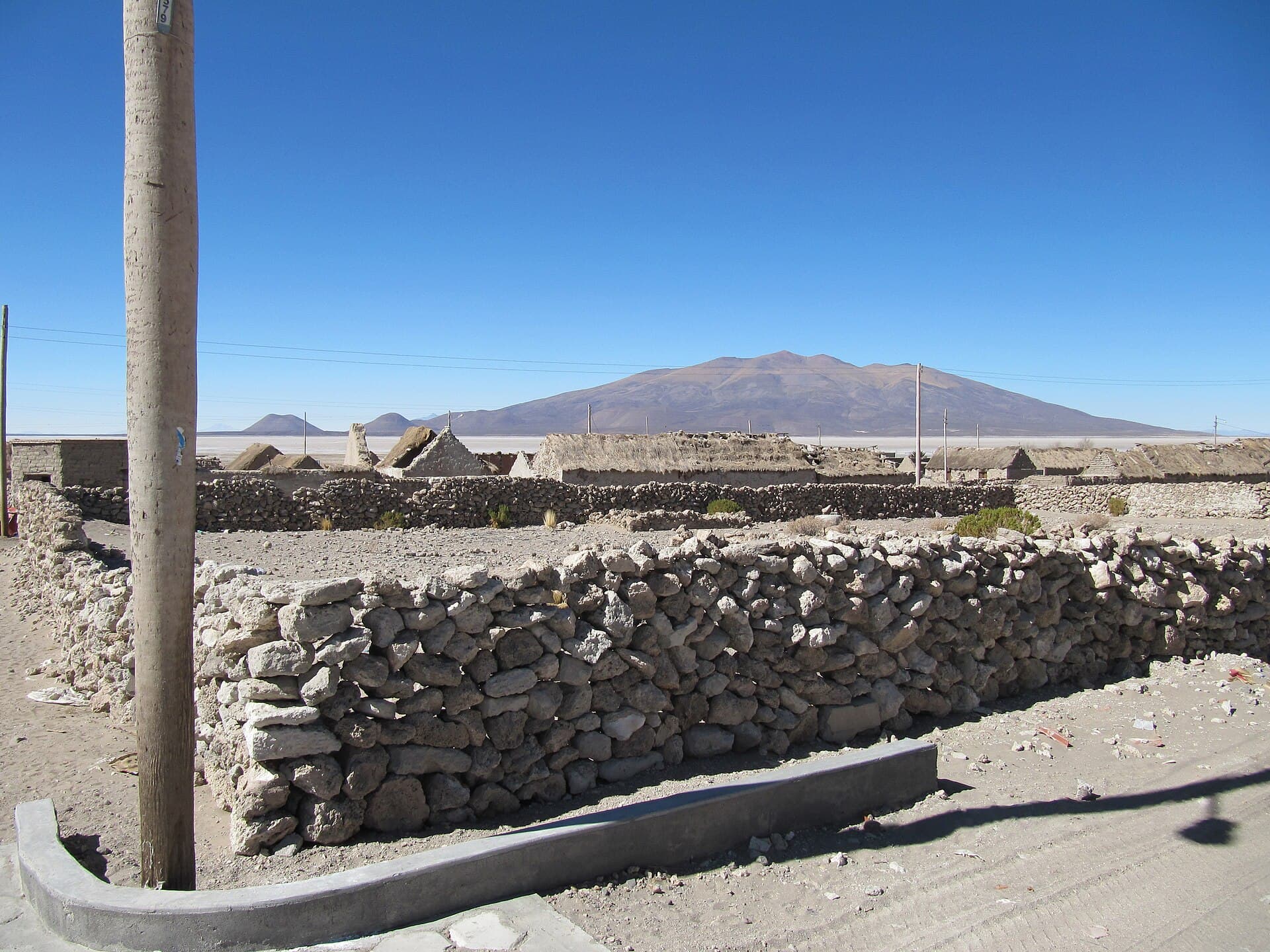
Wila Pukarani rises 5,440 meters in Bolivia’s Sud Lípez province, offering hikers a manageable yet rewarding summit in the Eduardo Avaroa Andean Fauna National Reserve. Its reddish slopes and isolated position provide unobstructed panoramas of the Uyuni salt flat to the north and the Chilean border volcanoes to the west. The mountain’s relative accessibility compared with higher peaks makes it an ideal introduction to high-altitude trekking in the region.
Getting There
Most visitors reach the trailhead via organized 4×4 tours departing from Uyuni or the village of San Pablo de Lípez. The journey crosses the altiplano on rough tracks, passing through llama pastures and past small geothermal sites. Independent travelers with high-clearance vehicles can approach from the Uyuni–Tupiza road, turning west near the reserve entrance; a local guide is strongly recommended because signage is minimal and weather can change rapidly.
Best Time to Visit
The dry season from May to October brings stable weather, clear skies, and firm ground for walking. Nighttime temperatures often drop below freezing, while daytime highs remain comfortable for exertion. The wet season (November–April) can make tracks impassable and reduces visibility, although it turns the surrounding wetlands vivid green and attracts more birdlife.
Activities and What to Expect
A typical day hike starts at dawn from a campsite or refugio near the base. The route follows a broad ridge with steady elevation gain; the final section requires basic scrambling but no technical equipment. At the summit, visitors enjoy 360-degree views that include the multicolored Laguna Colorada, the smoking Ollagüe volcano, and distant salt flats. Wildlife sightings may include vicuñas, Andean foxes, and occasional condors. Photographers prize the mountain for its red earth tones against deep blue skies.
Nearby Attractions
Wila Pukarani sits within a cluster of other highlights: the striking red lake Laguna Colorada lies less than an hour’s drive away, while the geysers of Sol de Mañana and the hot springs of Polques are popular stops on the same circuit. Many travelers combine the hike with a multi-day tour that also visits the vast Salar de Uyuni and the surreal rock formations of Siloli Desert.