Introduction to the Weser in Bremen
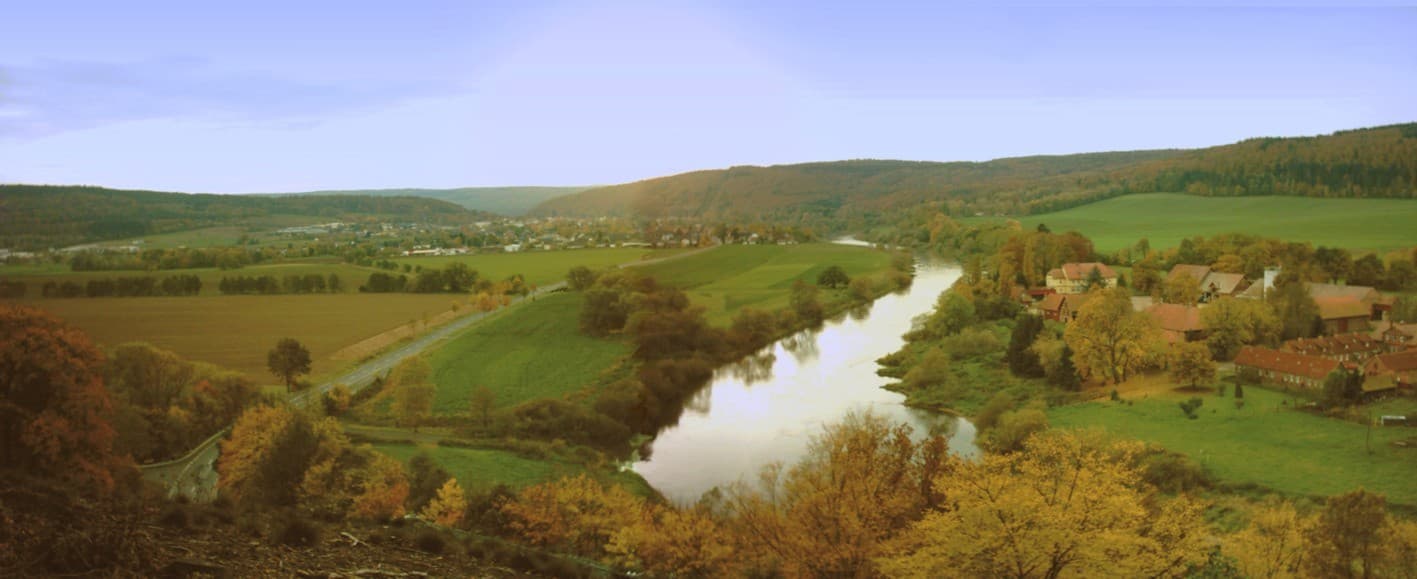
The Weser River flows directly through the center of Bremen, serving as the city’s defining natural and cultural feature. Formed by the confluence of the Fulda and Werra rivers farther south, it reaches the North Sea after passing through this Hanseatic port city. Visitors appreciate the Weser for its blend of working harbor activity and relaxed waterfront promenades that highlight centuries of trade and shipbuilding.
Things to See and Do Along the Weser
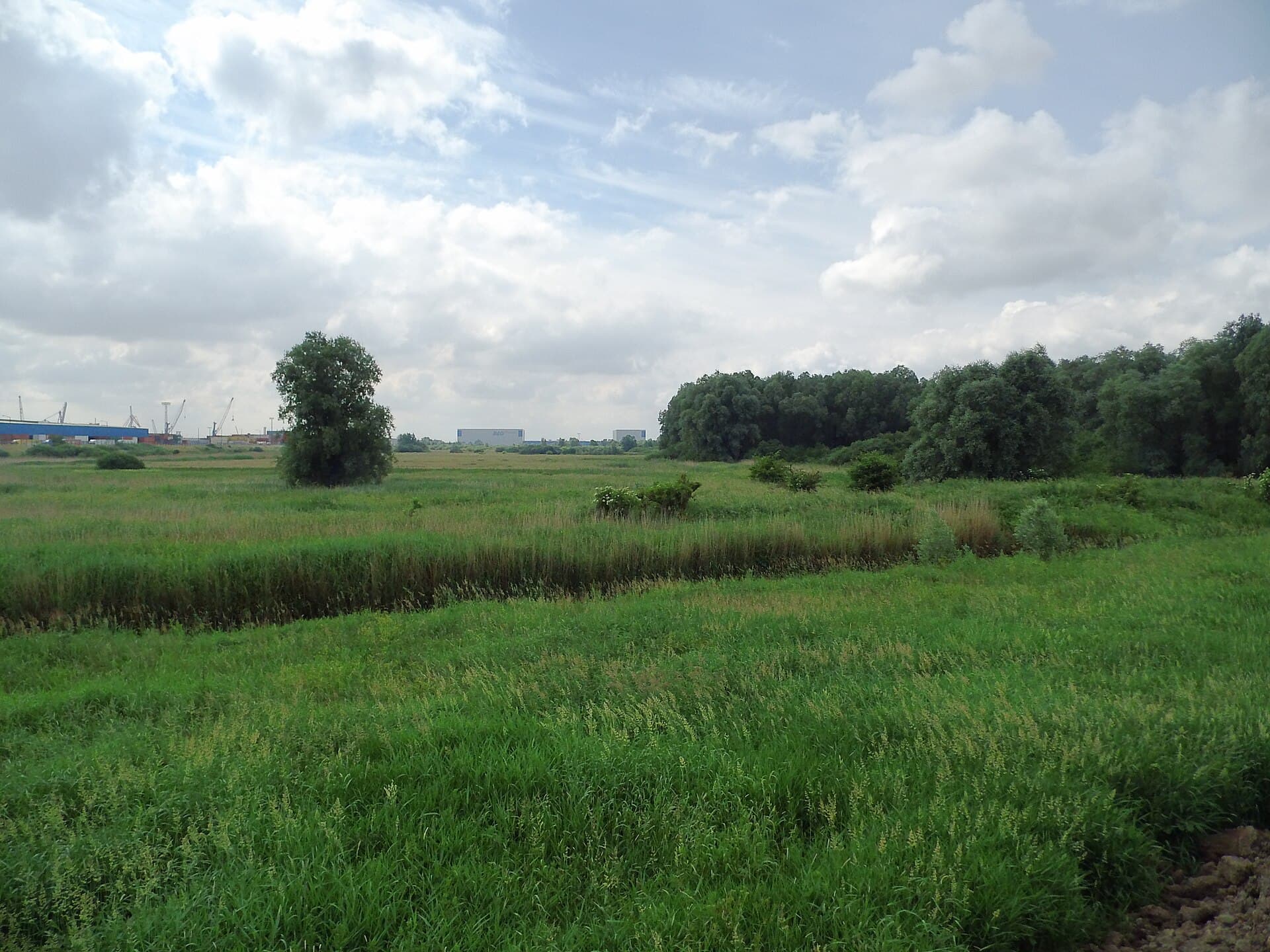
Stroll the Schlachte embankment on the river’s left bank, where historic warehouses now house cafés and markets with views of passing cargo ships and pleasure boats. Cycle or walk the dedicated riverside paths that extend both upstream toward the old town and downstream to the industrial harbor zone. Boat excursions depart regularly from central piers, offering perspectives on the massive container terminals and the transition from urban river to tidal estuary. In warmer months, the riverbanks host open-air events that celebrate local maritime traditions.
Best Time to Visit
Spring through early autumn provides the most comfortable conditions for outdoor exploration, with longer daylight and calmer waters for boat trips. Late spring brings blooming greenery along the banks, while September offers fewer crowds and the possibility of seeing migratory birds near the estuary. Winter visits focus more on indoor harbor museums and illuminated riverside architecture, though boat services are reduced.
Getting There and Getting Around
Bremen’s main railway station lies a short walk from the river, and the city’s compact layout makes the Weser easily reachable on foot from most central hotels. Public trams and buses connect to riverside neighborhoods, while bike rentals at the station allow independent exploration of the flat paths. Ferries and water taxis provide an alternative way to move between the two banks without bridges.
Nearby Attractions
Just steps from the river stands the UNESCO-listed Bremen Town Hall and the famous Roland statue. A short walk upstream leads to the Schnoor quarter’s medieval lanes, while downstream the river widens toward the port of Bremerhaven, home to major maritime museums and the German Emigration Center. The Weser also connects to extensive regional cycle routes that continue into the surrounding countryside.