Discovering the Wapiti River
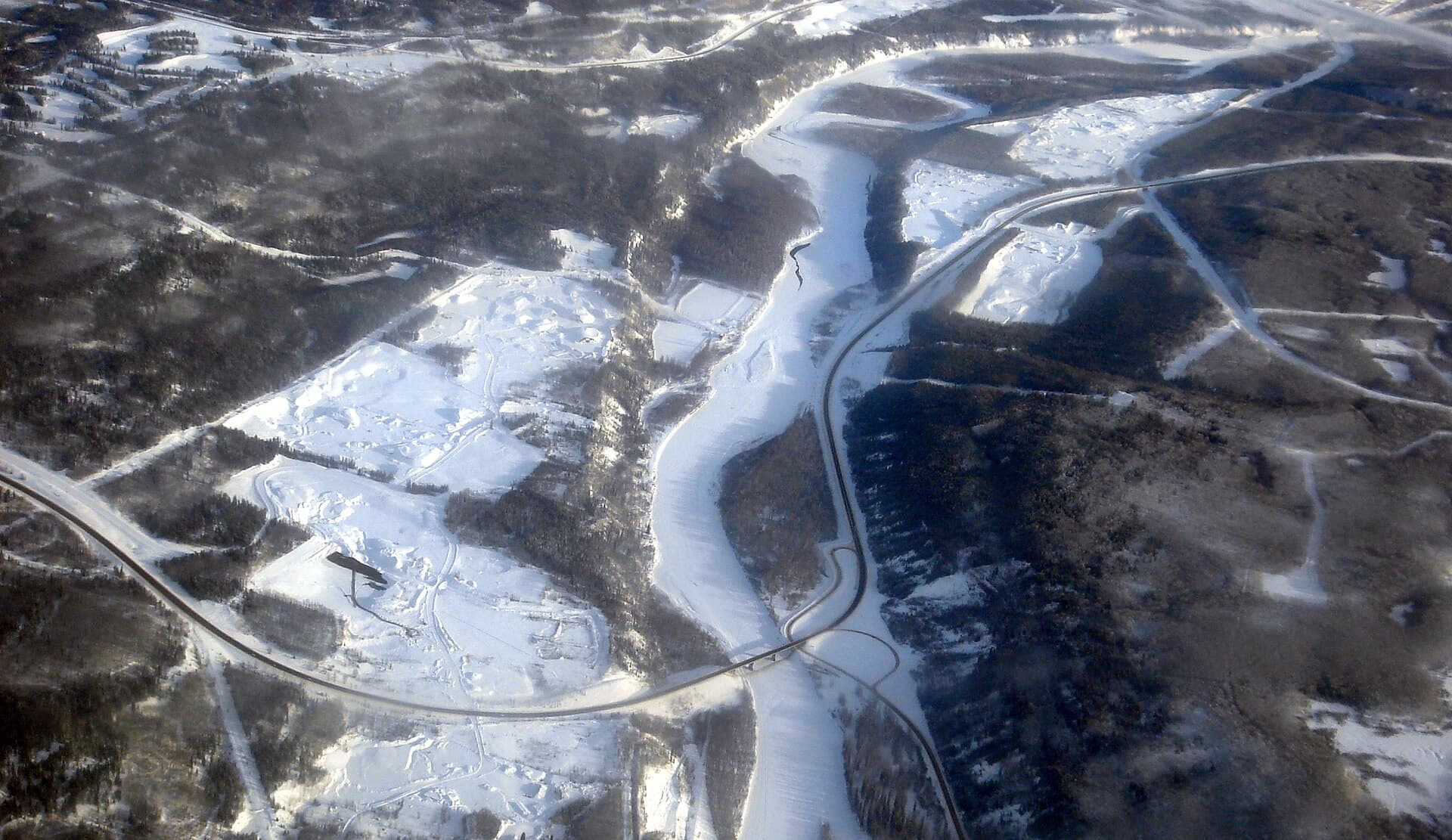
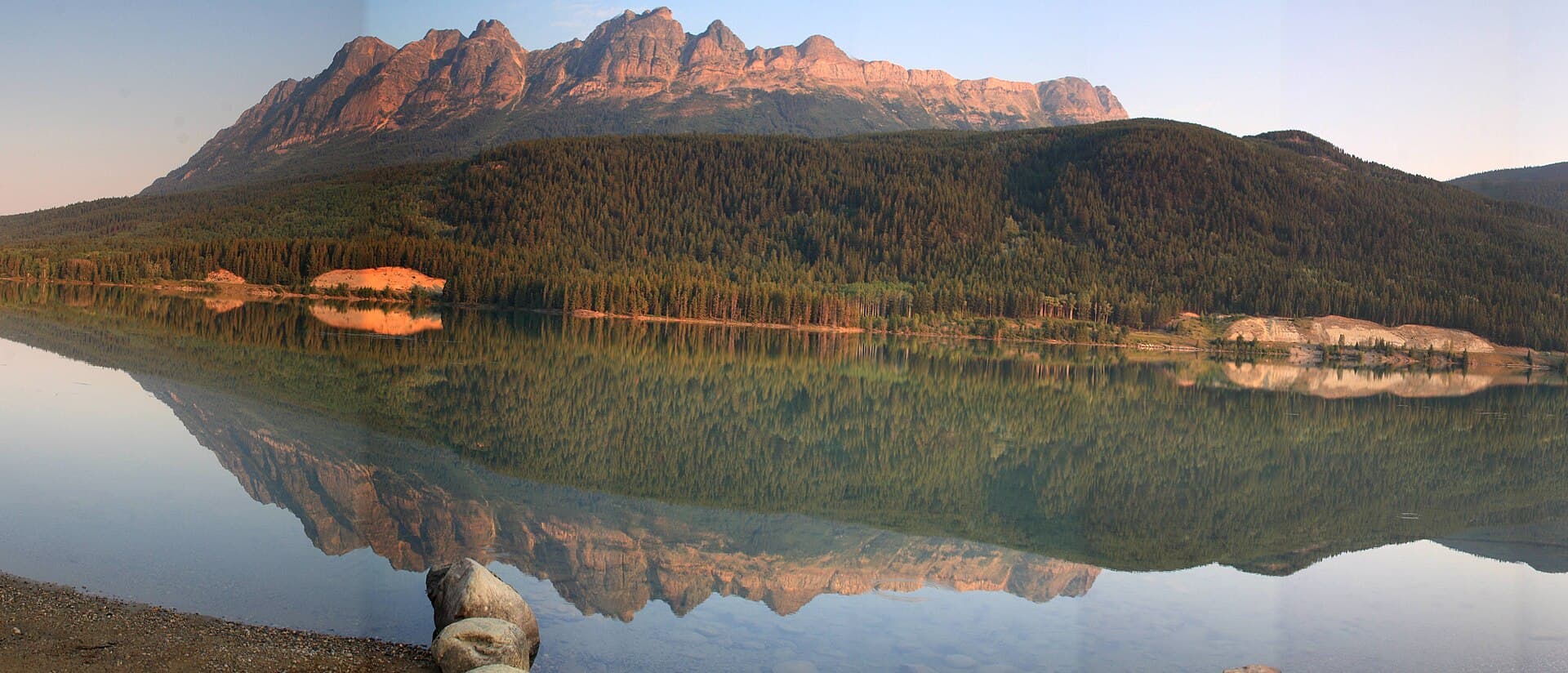
The Wapiti River rises in the foothills of the Rocky Mountains in British Columbia and flows eastward for roughly 200 kilometres before joining the Peace River near the Alberta border. Its clear waters and forested valley provide a quiet alternative to busier northern rivers, with long stretches of Class I and II water ideal for canoeists and kayakers seeking multi-day trips.
What to See and Do
Anglers target bull trout, Arctic grayling, and mountain whitefish in the deeper pools, especially in late summer when water levels stabilize. Wildlife viewing is excellent: moose frequent the wetlands, black bears forage along the banks, and bald eagles nest in mature cottonwoods. Birders may spot sandhill cranes during migration. Short hikes from gravel bars lead to viewpoints overlooking the valley or to small side canyons with seasonal waterfalls.
Paddling Routes
Popular put-ins lie near the Highway 52 crossing west of Tumbler Ridge. A common three- to five-day trip runs from the upper reaches downstream to the Peace River confluence, with campsites on gravel bars. The river remains runnable from late May through September in most years, though spring runoff can create strong currents.
How to Get There
Access begins in Tumbler Ridge, reached by driving Highway 52 from Dawson Creek or Chetwynd. From town, forestry roads lead to river put-ins; high-clearance vehicles are recommended for the final stretches. Float planes occasionally service remote upper sections, but most visitors drive and shuttle vehicles between put-in and take-out.
Best Time to Visit
July and August offer the most reliable water levels and longest daylight for paddling. Early September brings quieter conditions and fall colors, while June can still have high water. Winter travel is limited to snowmobiling or ice fishing on frozen sections.
Nearby Attractions
Combine a river trip with visits to the Tumbler Ridge UNESCO Global Geopark, where dinosaur trackways and waterfalls such as Kinuseo Falls are easily reached by short drives or hikes. The Peace River itself offers larger-scale boating downstream, and the historic Alaska Highway lies within a half-day’s drive.