Why Visit Unga Island
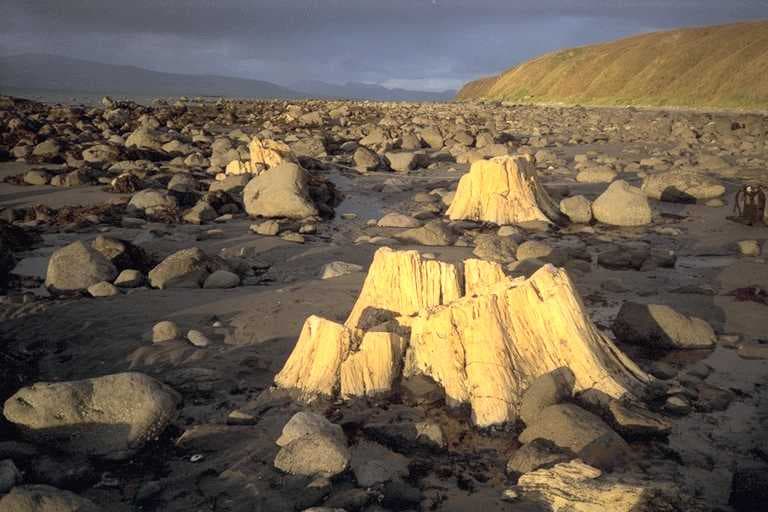
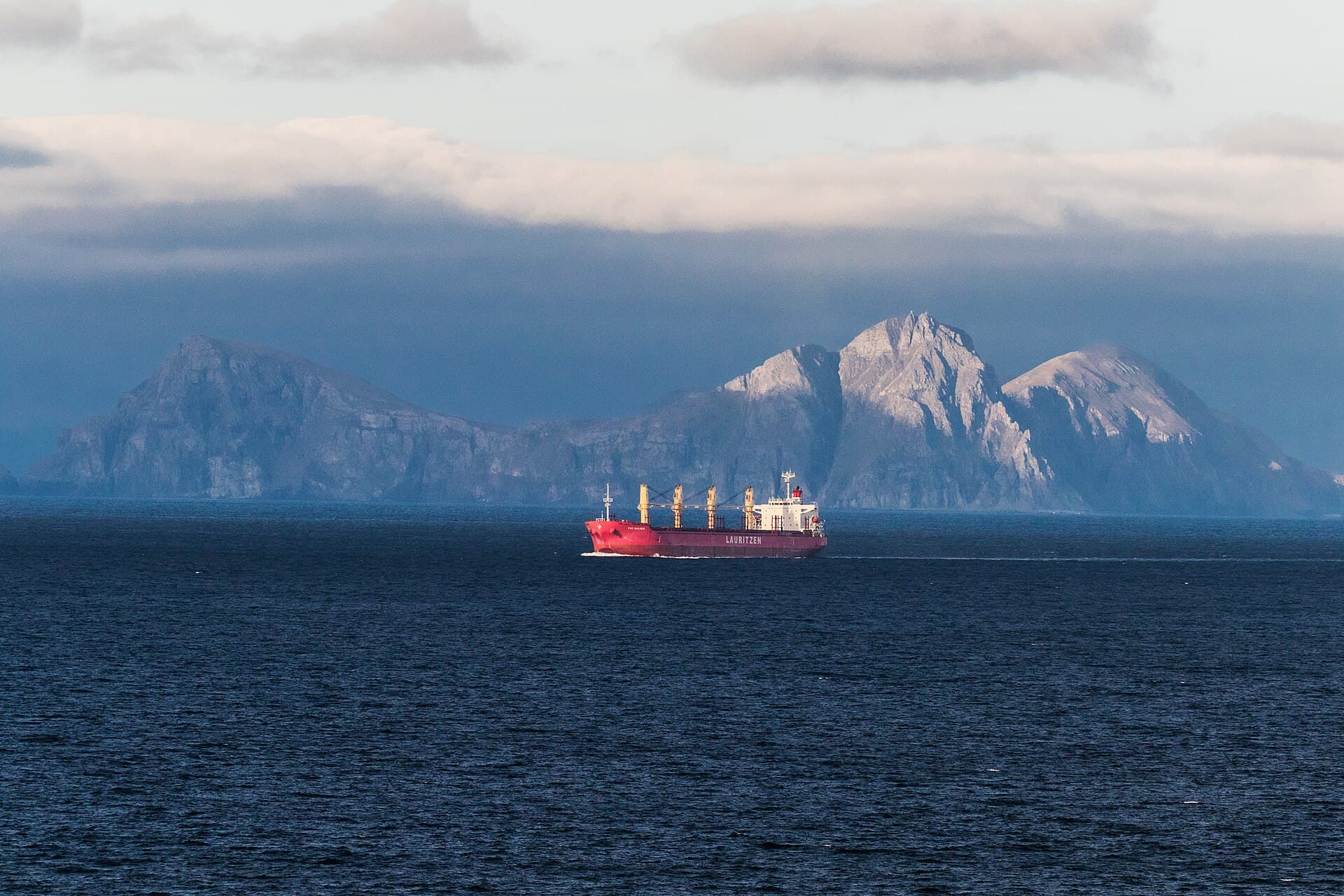
Unga Island stands out among the Shumagin Islands for its dramatic volcanic terrain, sheltered bays, and visible remnants of a once-thriving gold-mining community. Visitors come for the sense of true isolation, where bald eagles patrol the cliffs and sea otters raft in the kelp beds just offshore. The island’s interior holds one of Alaska’s most accessible petrified forests, with stone logs scattered across tundra meadows.
Getting There
Most travelers reach Unga by first flying into Sand Point on Popof Island, the nearest hub with scheduled air service from Anchorage. From Sand Point, local boat operators run day or multi-day charters across the short stretch of water to Unga’s eastern shore. Private planes can land on a gravel strip near the old village site when weather permits. No roads or regular ferry service exist, so all visits require advance planning and self-sufficiency.
What to See and Do
Hiking the old mining trails leads to the weathered remains of Unga village, including collapsed wooden buildings and rusting equipment from the late 1800s. A longer walk inland reveals the petrified wood forest, where ancient trees turned to stone lie exposed on the surface. Coastal walks offer views of sea lions hauled out on rocks and puffins nesting on nearby cliffs. Kayakers can explore sea caves and small coves on calm days, while birders scan for kittiwakes, murres, and harlequin ducks. Fishing for halibut and rockfish is possible from the shoreline or boats.
Best Time to Visit
The mildest weather occurs from June through early September, when daylight is long and storms are less frequent. Winter visits are rare due to high winds and limited transportation. Shoulder months of May and September can work for hardy travelers seeking fewer people, though rain and fog are common year-round.
Nearby Attractions
After exploring Unga, many visitors continue to Popof Island for the small community of Sand Point or charter further into the Shumagin group to Nagai and Big Koniuji islands. The broader Aleutians East Borough offers additional wildlife refuges and volcanic landscapes accessible by boat or plane from the same hub.