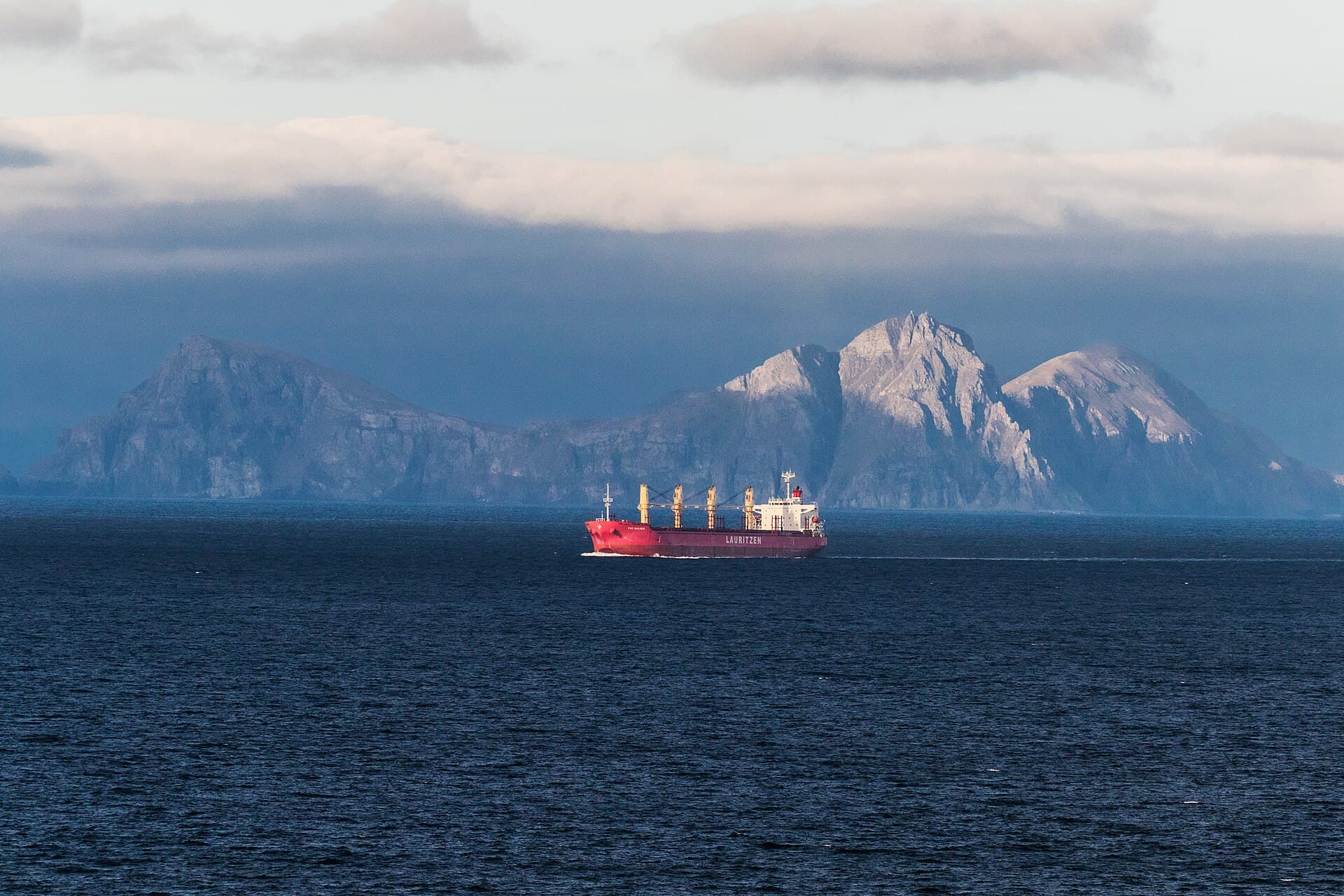
Why Visit Ugamak Island
Ugamak Island lies in the eastern Aleutian chain within the Alaska Maritime National Wildlife Refuge, offering visitors a rare chance to witness one of North America’s most intact marine ecosystems. The island’s steep volcanic slopes and rocky shores support large colonies of seabirds including tufted puffins, common murres, and black-legged kittiwakes, while its beaches host breeding Steller sea lions and harbor seals. Its isolation preserves a sense of true wilderness rarely found in more accessible parts of Alaska.
Getting There
Access begins with flights to Cold Bay or Dutch Harbor, followed by boat charters or small-plane landings arranged through operators based in King Cove or False Pass. Weather and sea conditions dictate schedules, so travelers should plan flexible itineraries and allow buffer days. No facilities exist on the island itself, making self-sufficiency essential for any landing.
Things to See and Do
Wildlife viewing from offshore or permitted shore areas ranks as the primary draw, with opportunities to observe sea lion haul-outs and dense bird cliffs. Kayakers and hikers can explore sheltered coves and tundra ridges when conditions allow, though all movement requires caution due to steep terrain and sudden weather shifts. Photographers find dramatic backdrops of surf, fog, and distant volcanic peaks.
Best Time to Visit
June through early September offers the most favorable window, when daylight is long, seas are calmer, and breeding seabirds and marine mammals are most active and visible. Winter visits are rarely feasible because of storms and ice. Shoulder months of May and September can work for experienced travelers seeking fewer encounters with other boats.
Nearby Destinations
From Ugamak, charters often continue to nearby Unimak Island for caribou habitat or to the Izembek National Wildlife Refuge on the Alaska Peninsula for waterfowl concentrations. The entire region forms part of the Aleutian volcanic arc, so clear days reveal sweeping views of steaming peaks and the North Pacific horizon.