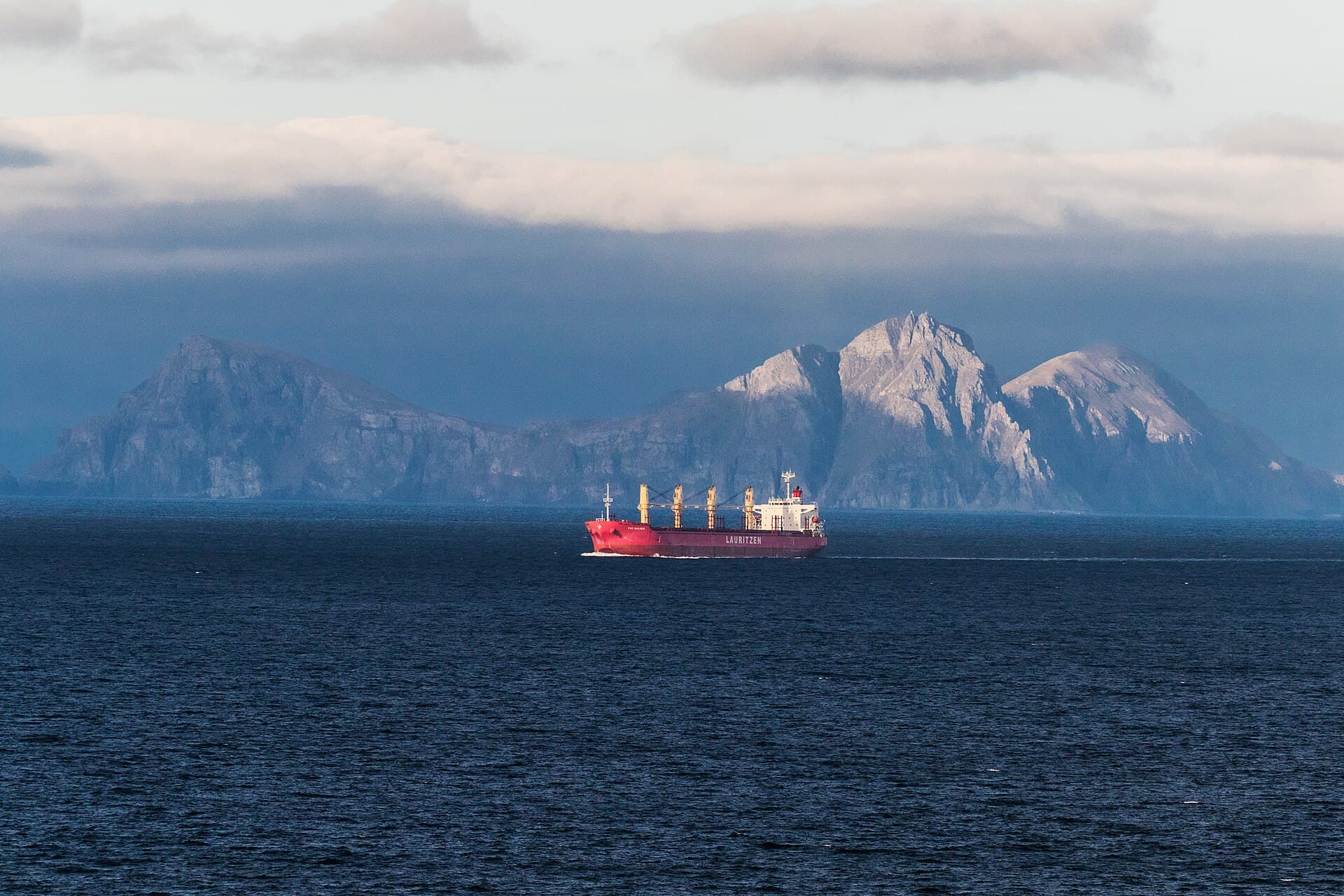
Why Tigalda Island Stands Out
Tigalda Island lies in the Krenitzin Islands group within the Aleutians East Borough, a narrow, elongated landmass shaped by volcanic forces and relentless North Pacific weather. Its steep cliffs, sheltered coves, and tundra-covered interior offer a raw slice of Alaska wilderness rarely seen by casual travelers. The island forms part of the Alaska Maritime National Wildlife Refuge, protecting critical habitat for seabirds and marine mammals that thrive in the surrounding nutrient-rich waters.
Wildlife and Natural Highlights
Visitors come primarily for birdwatching. Colonies of puffins, kittiwakes, and murres nest on the sheer rock faces, while bald eagles patrol the shores. Sea otters raft in kelp beds, and harbor seals haul out on rocky points. The surrounding waters support salmon runs that draw transient fishermen. On land, hikers encounter low-lying tundra dotted with wildflowers in season and occasional Arctic fox tracks. The island’s volcanic geology reveals itself in dark basalt outcrops and occasional hot-spring seeps.
Getting There
Access requires advance planning. Most travelers fly into Dutch Harbor or Akutan, then arrange boat or floatplane charters across Unimak Pass. The crossing can be rough; operators familiar with local tides and weather are essential. No docks or maintained trails exist, so landings depend on beach conditions and sea state.
Best Time to Visit
Summer months from June through August bring the longest daylight, calmer seas on average, and peak bird activity. Spring and fall offer migratory spectacles but harsher weather. Winter visits are rare and limited to experienced expeditions due to storms and short days. Pack layers for rapid temperature swings and waterproof gear for frequent rain or fog.
Nearby Destinations
Combine a Tigalda trip with stops at neighboring islands such as Avatanak or Rootok for extended island-hopping. Akutan village provides basic supplies and cultural context, while Unalaska offers deeper Aleut history and World War II remnants. The broader Aleutian chain extends westward toward the Commander Islands of Russia, though international travel adds significant logistics.
Practical Considerations for Visitors
Travelers must be self-sufficient. Bring all food, shelter, and communication devices; cell service is nonexistent. Leave-no-trace principles are mandatory to protect the refuge. Permits may be required for certain research or commercial activities, but private recreation generally follows refuge guidelines. Always monitor marine forecasts, as sudden gales can strand visitors for days.