Why the Übersee-Museum Matters
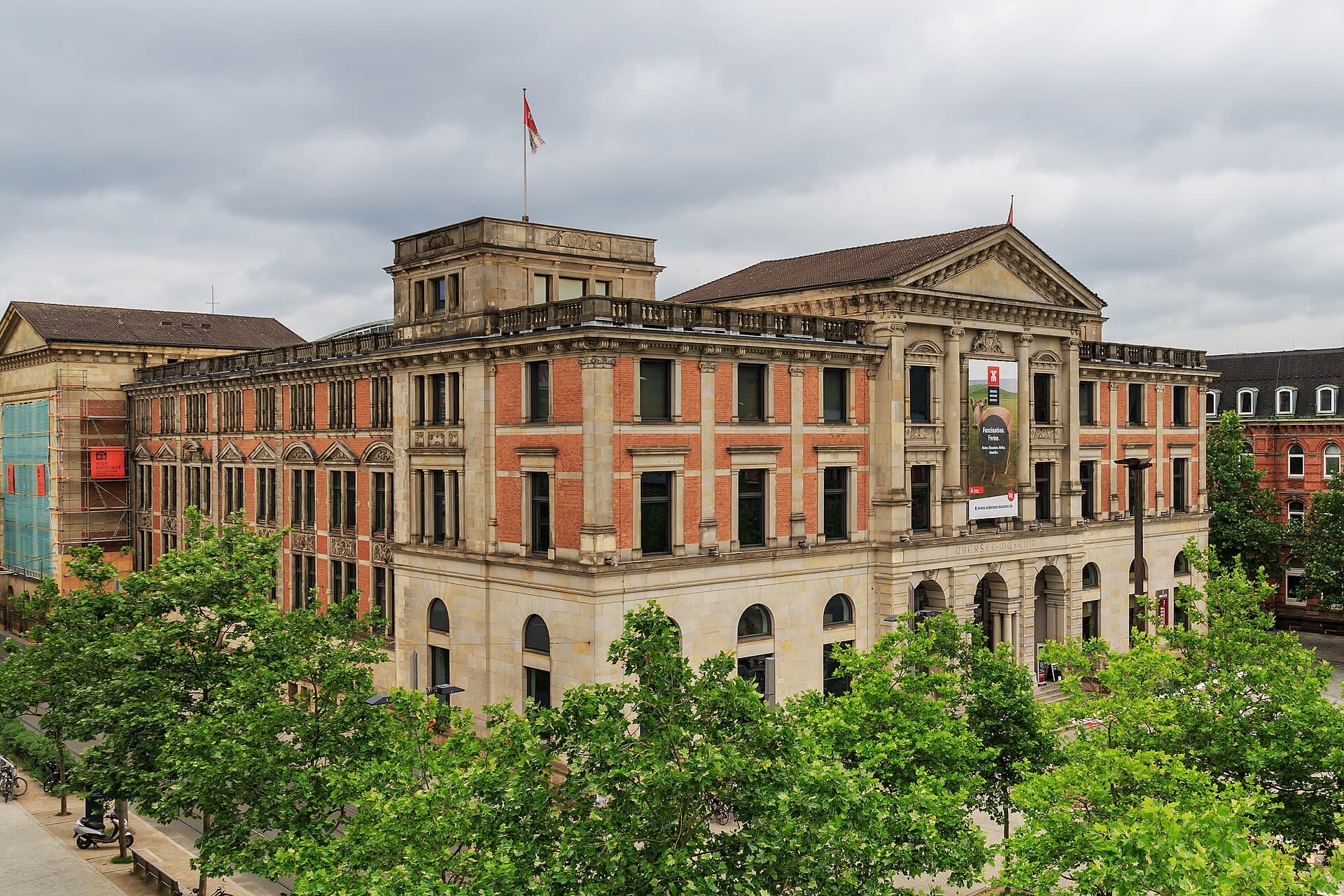
Bremen’s long history as a North Sea port gives the Übersee-Museum a distinctive focus on objects and specimens brought back by merchants, missionaries, and scientists. The permanent collections trace connections between Europe, Africa, Asia, Oceania, and the Americas, while the natural-history halls display mounted animals, insects, and geological samples gathered on the same voyages.
What to See and Do
Ethnology Galleries
Start on the upper floors where Pacific island carvings, African textiles, and South Asian ritual objects are arranged by region rather than by collector. Look for the large outrigger canoe and the Benin bronzes that illustrate both artistic skill and the complex trade networks of the 19th century.
Natural History Halls
Descending to the ground floor reveals dioramas of tropical birds, a whale skeleton suspended above visitors, and a walk-through rainforest section that contrasts living plants with preserved specimens. Temporary cases often highlight current research on biodiversity loss or climate change in source regions.
Interactive and Family Areas
Hands-on stations allow visitors to handle replica trade goods and try basic navigation tools used by Pacific sailors. School groups frequently use the basement discovery room, but adult visitors can also linger at the listening posts featuring oral histories from diaspora communities in Bremen.
Getting There
The museum sits a short walk southeast of Bremen Hauptbahnhof. Several tram lines stop directly outside, and the central station’s bike rental makes cycling an easy option from the Altstadt. Drivers can use the multi-storey car park at the nearby Überseehafen, then continue on foot along the historic harbour basin.
Best Time to Visit
Weekdays outside German school holidays offer the quietest experience. Spring and early autumn provide comfortable temperatures for combining the museum with a walk through the adjacent Bürgerpark. Winter visits suit those interested in the museum’s evening lecture series on global trade and sustainability.
Nearby Attractions
- Bremen Cathedral and the Marktplatz, ten minutes on foot, for Hanseatic architecture.
- Kunsthalle Bremen, across the street, for 19th- and 20th-century European art.
- The harbour promenade and the Schnoor quarter for a contrast between working port and medieval lanes.