
Keep reading
Nearby & related
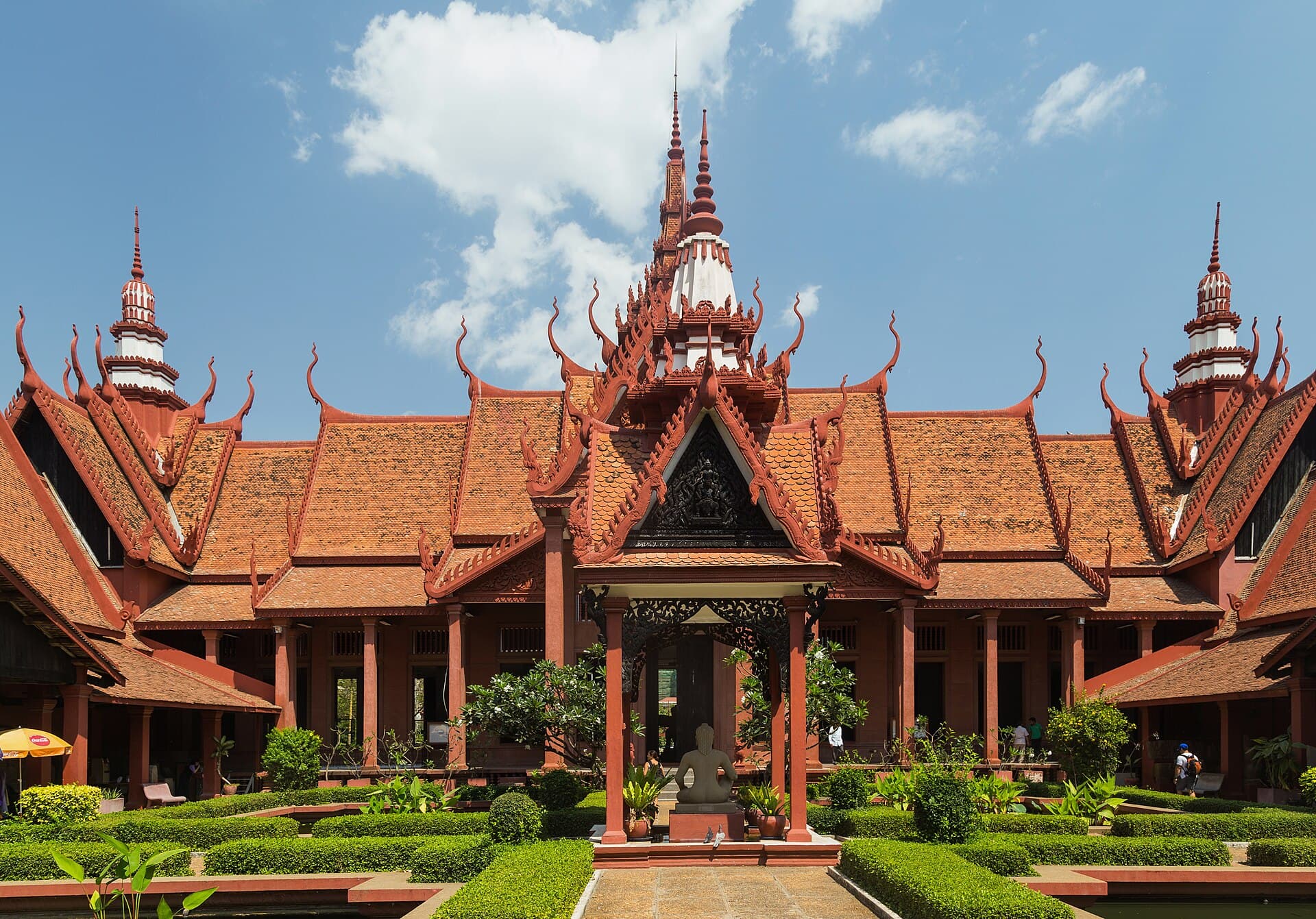
National Museum of Cambodia: Khmer Art and Heritage in Phnom Penh
Step into Cambodia’s premier collection of ancient sculpture, bronzes, and ceramics housed in a graceful traditional…
19 October 2026
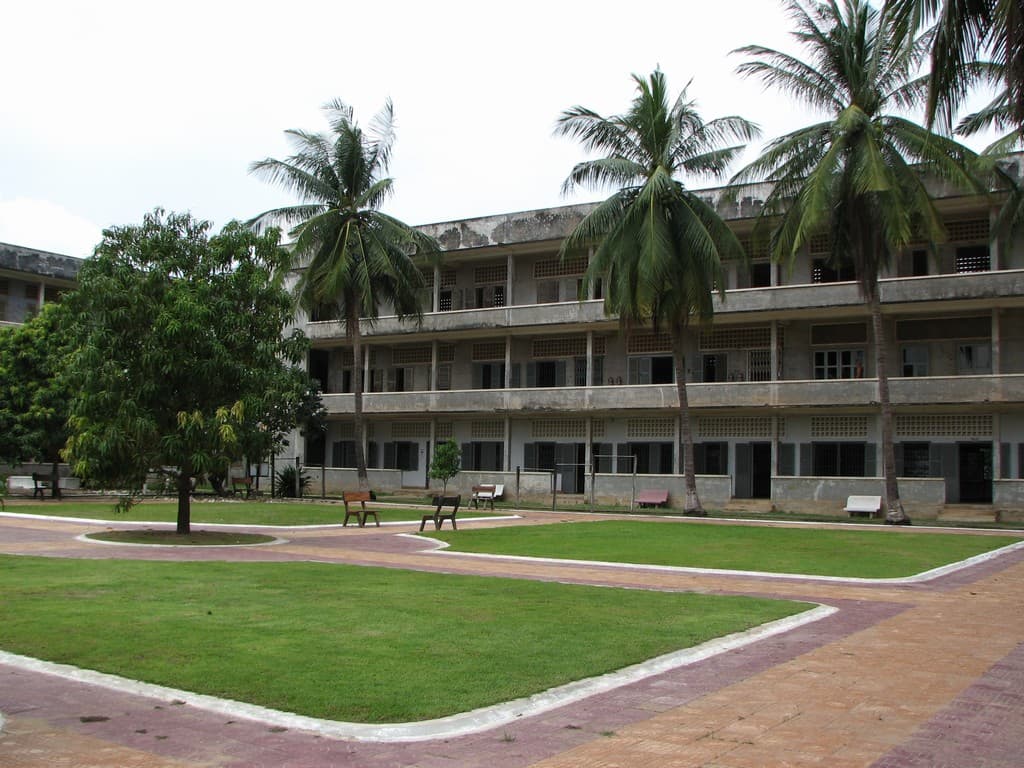
Step inside the former S-21 prison in Phnom Penh to grasp the scale of the Khmer Rouge atrocities and honor the victims.
Once a secondary school in central Phnom Penh, Tuol Sleng became Security Prison 21 under the Khmer Rouge between 1975 and 1979. An estimated 14,000 to 20,000 people passed through its gates; only a handful survived. The site now serves as the Tuol Sleng Genocide Museum, preserving classrooms turned into interrogation rooms, tiny brick cells, and mass graves discovered after liberation.
Visitors walk through four main buildings where walls still bear prisoner photographs, handwritten confessions, and crude instruments used for torture. Building A holds larger cells for high-ranking detainees, while Buildings B and C contain rows of small brick and wooden cells. The exhibition halls display thousands of black-and-white portraits taken upon arrival, along with paintings by survivor Vann Nath depicting daily life inside the prison.
An audio guide provides survivor testimonies and historical context without rushing visitors. Most people spend time reading the biographical panels and viewing the preserved rooms, which remain largely as found in 1979. Photography is permitted in most areas but must remain respectful.
The museum lies in the heart of Phnom Penh, a short ride from the riverfront or Central Market. Tuk-tuks, ride-hailing apps, and taxis reach the site easily; many drivers also offer combined trips to the Choeung Ek Killing Fields southwest of the city.
Cambodia’s dry season from November to February offers cooler mornings and fewer sudden downpours. Arriving early avoids midday heat and larger tour groups, allowing quieter reflection. The site remains open year-round, though the rainy season brings humidity and occasional flooding in surrounding streets.
Most visitors pair Tuol Sleng with the Choeung Ek Killing Fields, where mass graves and a memorial stupa containing skulls illustrate the final stage of the regime’s crimes. The two sites together form the core of any serious exploration of Cambodia’s recent history.
The museum contains disturbing photographs and accounts of torture; parents should preview content and decide based on their childu2019s maturity.
Most visitors spend two to three hours to read the exhibits and absorb the audio guide without feeling rushed.
Yes. Clear signage and an optional audio guide allow independent exploration at your own pace.
Photography is permitted in most areas, but flash is discouraged and visitors should avoid photographing other people without permission.
A small bookstore sells books and survivor memoirs; restrooms and shaded seating areas are available for breaks.
Keep reading
Step into Cambodia’s premier collection of ancient sculpture, bronzes, and ceramics housed in a graceful traditional…