
Keep reading
Nearby & related
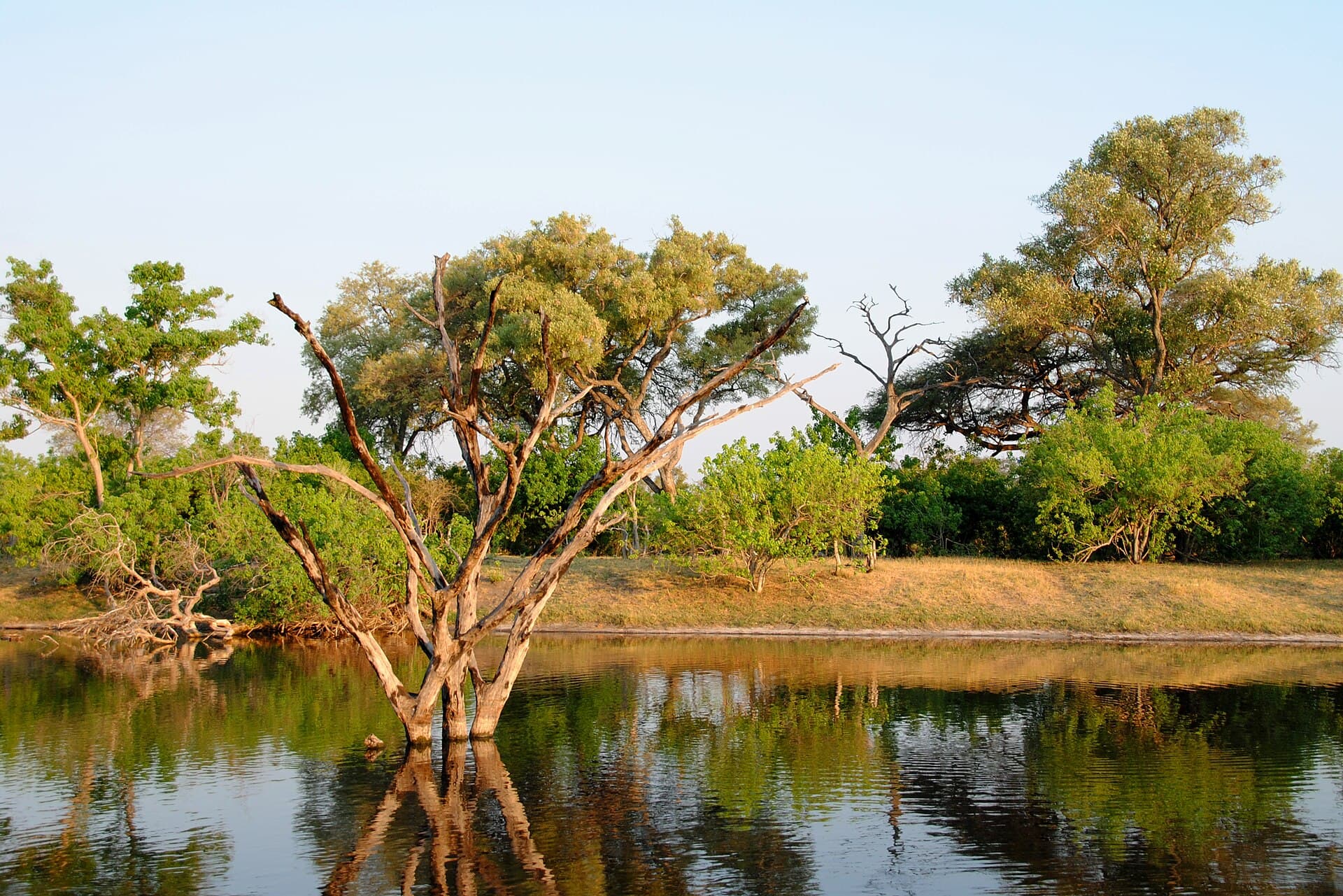
Savuti Channel: Botswana’s Seasonal River of Wildlife Drama
Follow the shifting waters of the Savuti Channel through Chobe National Park for concentrated predator and elephant…
13 October 2026
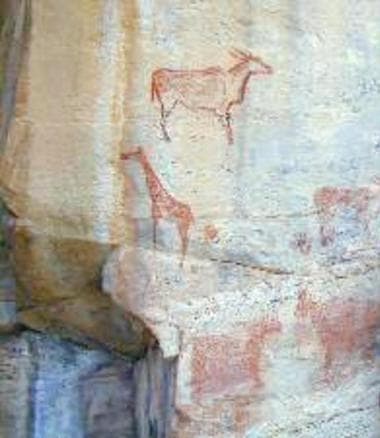
Discover the UNESCO-listed Tsodilo Hills, where thousands of San rock paintings and four dramatic peaks create one of southern Africa’s most spiritually significant archaeological sites.
Tsodilo Hills rise abruptly from the Kalahari sandveld in Botswana’s North-West District, forming four distinct peaks known locally as Male, Female, Child, and the more distant North Hill. The site contains over 4,500 ancient rock paintings created by San hunter-gatherers across millennia, recording animals, human figures, and geometric motifs that remain remarkably preserved on sheltered quartzite faces. The hills also hold deep spiritual importance for San communities, who regard the Female Hill as the site of creation and continue to perform rituals at certain caves and boulders.
The highest and most accessible peak offers panoramic views across the surrounding plains. Short trails lead to clusters of paintings featuring giraffe, eland, and geometric designs. A moderate climb rewards visitors with sweeping vistas and quiet viewpoints ideal for photography at sunrise.
This central hill contains the densest concentration of rock art. Well-marked paths pass through overhangs decorated with layered images of people, cattle, and abstract symbols. Local guides point out specific panels that illustrate hunting scenes and spiritual narratives passed down through generations.
Child Hill is smaller and quieter, with fewer visitors and intimate rock shelters. North Hill requires a longer trek and offers a more remote experience with fewer painted surfaces but striking geological formations.
Most travelers reach Tsodilo from Maun, a 3.5-hour drive on graded gravel roads that require a high-clearance vehicle. Organized tours with 4×4 transfers are common; self-drivers should carry spare tires, extra fuel, and sufficient water. No public transport serves the site, so advance arrangements with lodges or community guides are essential. The nearest basic camping and simple chalets sit at the community-run campsite at the base of the hills.
The dry season from May to October offers the most comfortable temperatures and clear skies for hiking and photography. April and November provide fewer crowds but higher chances of rain that can make access roads slippery. Avoid December to March when extreme heat and thunderstorms make long walks difficult.
After exploring the hills, visitors often combine the trip with the Okavango Delta or Moremi Game Reserve, both reachable within a day’s drive. The Tsodilo area itself offers excellent birdwatching and the chance to meet San artisans selling traditional crafts at the community center.
Drive northwest on the A35 and then graded gravel roads for about 3.5 hours; a 4x4 vehicle is strongly recommended and many visitors join guided transfers from Maun lodges.
The main trails to Male and Female Hills involve moderate climbs over uneven rock; shorter, gentler paths exist but visitors with mobility concerns should discuss options with guides beforehand.
Touching the paintings is strictly prohibited to prevent damage from oils and moisture; guides will show you the best viewing distances while respecting conservation rules.
A community campsite with basic ablutions and a few simple chalets sit at the base; more comfortable lodges are found in the broader Okavango region a few hours away.
No special permit is required beyond the standard community entrance fee collected at the gate, though hiring a guide is strongly encouraged for both safety and interpretation.
Keep reading
Follow the shifting waters of the Savuti Channel through Chobe National Park for concentrated predator and elephant…