Skip to content
Plan & Tour
DestinationsItinerariesTravel BlogAboutContact
0Sign inPlan a trip
Plan & TourPlan & Tour

Travel guides, destination inspiration and curated itineraries for Canada, the USA and beyond, plus a free tool to plan your own day-by-day trip.

Get travel inspiration

Explore

  • All Destinations
  • Curated Itineraries
  • Travel Blog
  • Plan a Trip

Topics

  • Hiking & Nature
  • Food & Drink
  • City Breaks
  • Budget Travel

Company

  • About Us
  • Contact
  • Privacy Policy
  • Terms of Service

© 2026 Plan & Tour. Built for travellers.

Discover the world, one trip at a time.

Toyota Municipal Museum of Art: Modern Masterpieces in a Serene Setting
  1. Home
  2. Destinations
  3. Toyota
  4. Toyota Municipal Museum of Art: Modern Masterpieces in a Serene Setting
Art museum

Toyota Municipal Museum of Art: Modern Masterpieces in a Serene Setting

A thoughtful guide to experiencing contemporary art, striking architecture, and tranquil gardens at this Aichi destination.

ToyotaUpdated 13 August 2026

Why Visit the Toyota Municipal Museum of Art

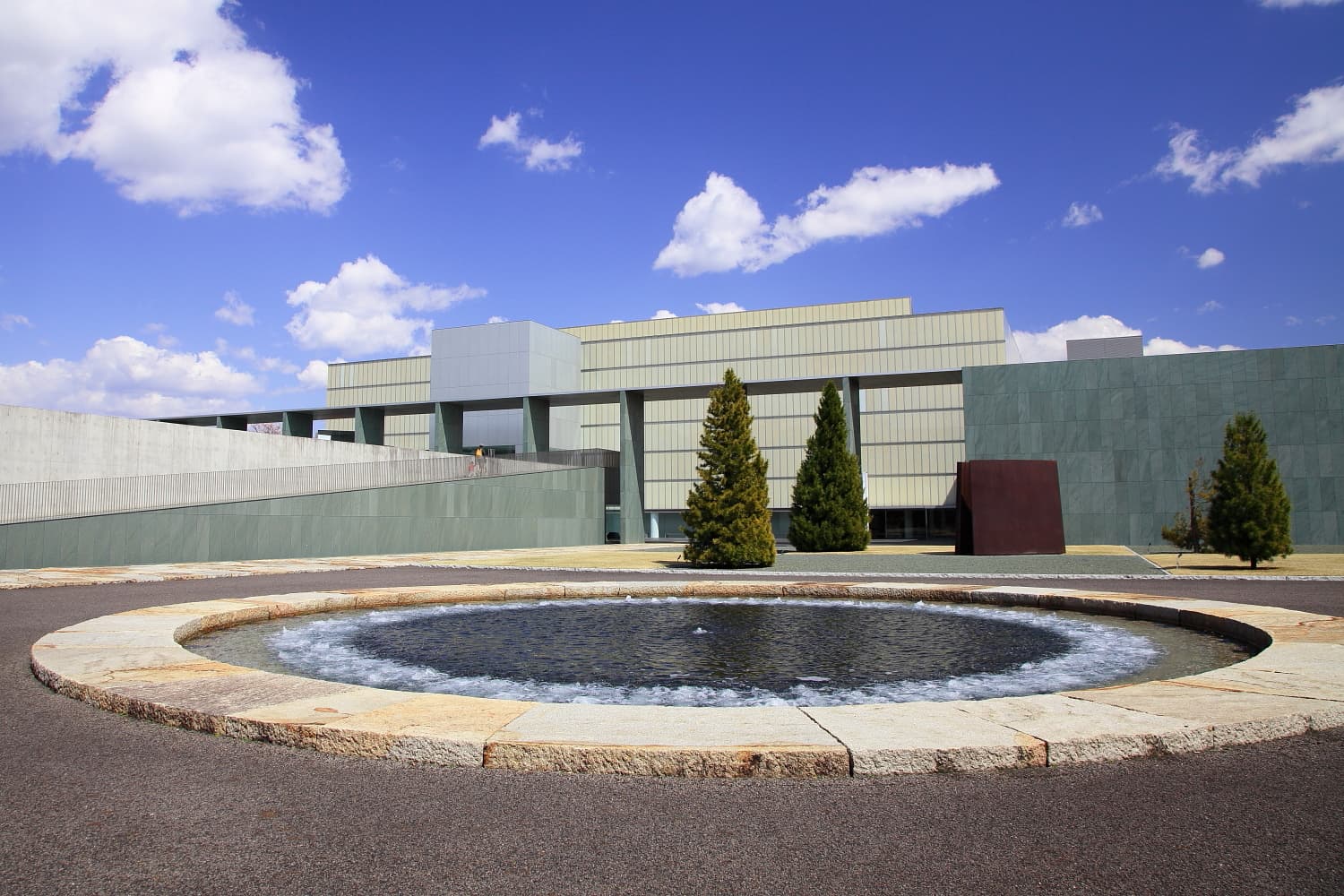
The Toyota Municipal Museum of Art stands out for its careful integration of modern and contemporary works with the surrounding landscape. Designed by architect Yoshio Taniguchi, the building uses clean lines, natural light, and elevated walkways to create quiet spaces for viewing art. The permanent collection emphasizes post-war Japanese artists alongside international figures, displayed across light-filled galleries that open onto sculpture terraces and wooded grounds.

Highlights of the Collection and Grounds

Visitors encounter paintings, sculptures, and installations that explore themes of space, materiality, and everyday life. Notable pieces often include works by artists such as Yoshishige Saito and international figures like Richard Serra. The sculpture garden extends the experience outdoors, with large-scale works placed among trees and ponds that change with the seasons. The architecture itself rewards attention: long corridors frame views of the landscape, and the roofline subtly echoes the surrounding hills.

Architecture and Landscape Design

Taniguchi’s design emphasizes restraint. Concrete and glass surfaces reflect the sky while interior spaces remain calm. A network of paths leads through Japanese maples and azaleas, allowing visitors to move between indoor galleries and outdoor installations without losing the sense of continuity between art and nature.

Practical Information for Visitors

Getting There

The museum sits on a hillside in Toyota City, roughly 30 minutes by train from Nagoya Station via the Meitetsu Toyota Line to Toyota-shi Station, followed by a short bus or taxi ride. Drivers can reach the site via the Tomei Expressway, with parking available on site. The location makes it convenient for those already exploring central Aichi or traveling between Nagoya and the mountainous areas to the east.

Best Time to Visit

Spring brings cherry blossoms to the grounds, while autumn offers vivid foliage that complements the outdoor sculptures. Weekday mornings tend to be quieter, giving more room to linger in the galleries. Summer humidity can make the outdoor paths less comfortable, and winter visits offer clear views through bare trees but require warmer clothing for the garden areas.

Nearby Attractions

Many travelers combine the museum with a stop at the Toyota Commemorative Museum of Industry and Technology in central Nagoya to contrast art with industrial heritage. Nature lovers can continue to nearby Korankei Gorge for seasonal leaf viewing or explore the historic streets of Inuyama, about an hour away. Local restaurants near Toyota-shi Station serve regional dishes such as miso katsu and hitsumabushi, providing a satisfying end to a day of cultural exploration.

Visitor tips

  • Allow at least two hours to move slowly between the galleries and the sculpture garden without feeling rushed.
  • Wear comfortable shoes suitable for walking the outdoor paths and slight elevation changes around the building.
  • Pair your visit with the nearby Toyota industrial museums or a drive to Korankei for a full-day itinerary that mixes culture and nature.

Frequently asked questions

Do I need to speak Japanese to enjoy the museum?+

Many works can be appreciated visually, and basic English labels are provided for major pieces. Audio guides in English are sometimes available; check at the entrance desk on arrival.

Is the museum suitable for children?+

The sculpture garden and open spaces appeal to families, though the contemporary focus means younger children may lose interest after an hour. Strollers are permitted indoors.

Can I take photographs inside the galleries?+

Photography without flash is generally allowed in the permanent collection areas but prohibited for special exhibitions; always look for posted signs near each gallery entrance.

How long does a typical visit take?+

Most visitors spend between 90 minutes and two hours exploring both the indoor galleries and the outdoor sculpture areas.

Are there places to eat nearby?+

A small cafu00e9 inside the museum offers light refreshments. More substantial meals can be found near Toyota-shi Station or along the main roads leading to the museum.

Share
Google Maps Apple Maps Directions

Visitor info

Official website

Contact info via Wikidata

Image: Tomio344456 · CC BY-SA 3.0 · via Wikimedia Commons

Keep reading

Nearby & related

All stories
Chigonokuchi Park: Peaceful Riverside Escape in Toyota, Aichi
Toyota

Chigonokuchi Park: Peaceful Riverside Escape in Toyota, Aichi

This compact city park along the river offers quiet walking paths, seasonal foliage, and easy family outings just…

18 August 2026
H
Toyota

Himori Park: Quiet Trails and Seasonal Scenery in Toyota

A peaceful forested park offering easy hikes, cherry blossoms, and autumn color just outside Toyota city.

18 August 2026
Maiki Temple Ruins: Tracing Ancient Foundations in Toyota, Aichi
Toyota

Maiki Temple Ruins: Tracing Ancient Foundations in Toyota, Aichi

Quiet stone bases and forested paths mark the remains of this historic temple site outside Toyota.

18 August 2026