Why Visit the Maiki Temple Ruins
The Maiki Temple Ruins preserve the stone foundations and layout of a temple complex that once stood in the hills of Toyota. Visitors walk among low stone platforms and scattered roof tiles that outline where main halls and pagodas once rose. The site offers a tangible connection to early Japanese Buddhism and the region’s medieval past without crowds or modern reconstruction.
What You Will See
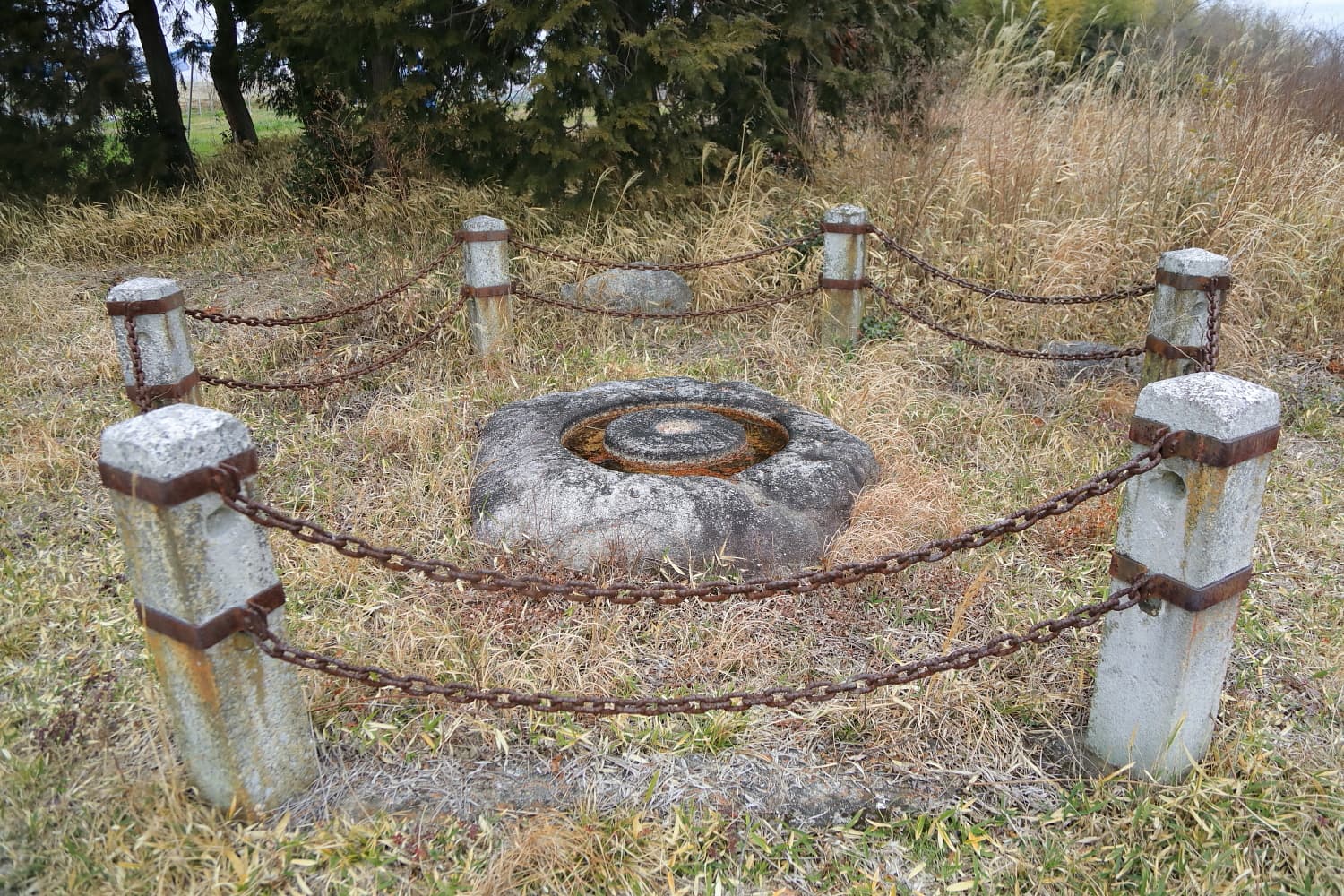
Low stone walls mark the original temple platform. A few carved foundation stones remain in place, showing the precise alignment of the main hall. Moss-covered rocks and scattered ceramic shards hint at the scale of the former buildings. The surrounding cedar and cypress forest creates a hushed atmosphere that helps visitors imagine the quiet daily life of monks centuries ago.
Walking the Site
A gentle loop path circles the main ruins in about twenty minutes. Side trails lead to smaller outlying structures and a spring that supplied water to the temple. Informational signs in Japanese and English explain the excavated features without overwhelming the natural setting.
Getting There
From central Toyota, local buses run toward the eastern hills; the final stop leaves a ten-minute walk on a paved road. Drivers can follow Route 301 and park in a small lot at the trailhead. The coordinates place the ruins on a gentle slope that remains accessible year-round, though the approach road narrows after heavy rain.
Best Time to Visit
Late March through early May brings fresh greenery and occasional wildflowers along the paths. October and November offer cooler temperatures and colorful autumn foliage that contrasts with the gray stone. Summer visits are possible but require insect repellent and early arrival to avoid afternoon heat.
Nearby Places Worth Combining
The ruins sit near several other quiet sites in eastern Aichi. A short drive reaches the restored streets of Asuke, known for traditional architecture and a historic castle town. Further south, the Toyota Automobile Museum provides a striking contrast between ancient stonework and modern engineering history.