Why This Museum Matters
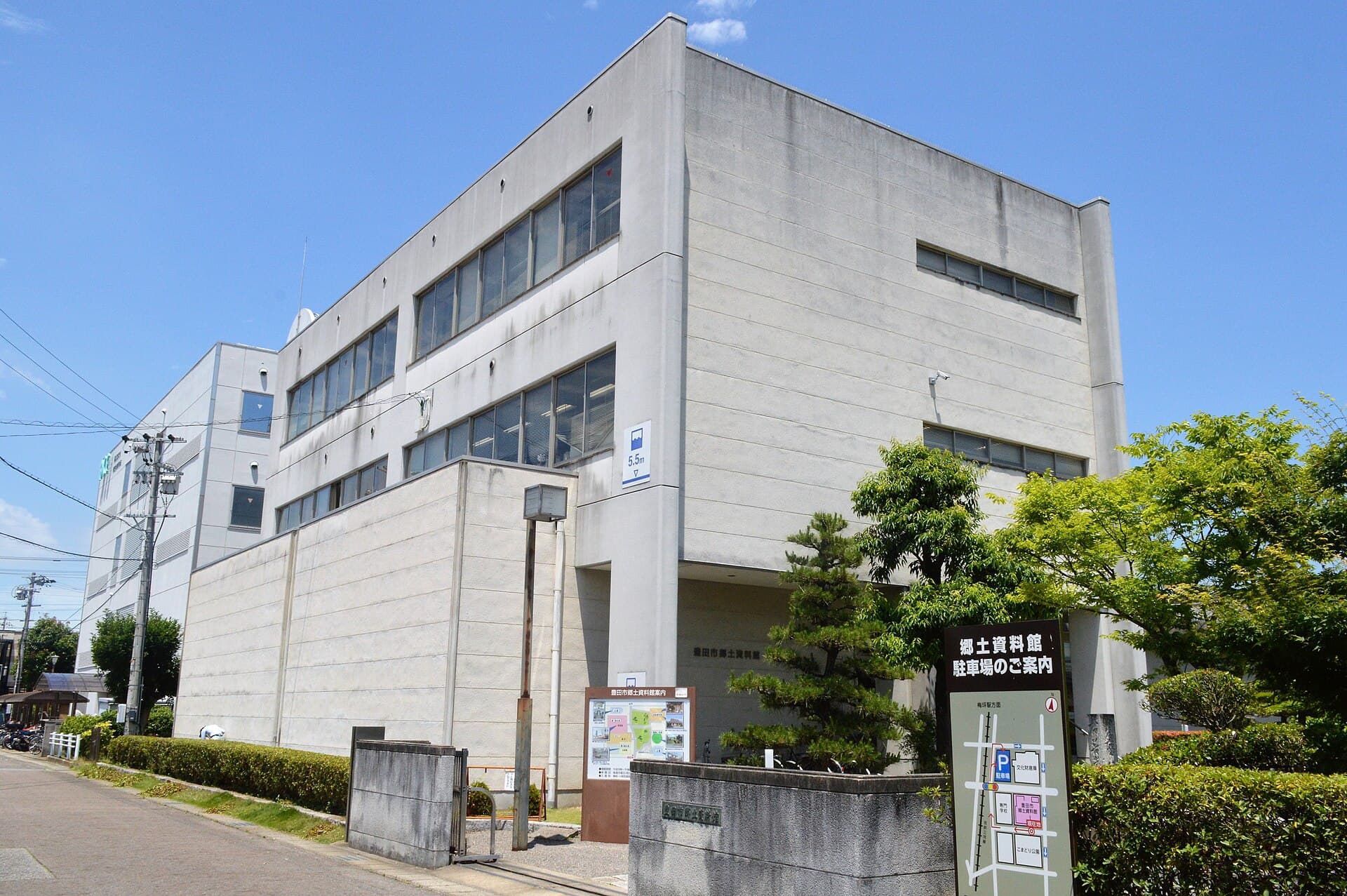
Toyota City Museum of Local History documents the transformation of a quiet farming area into the heart of Japan’s automotive empire. Visitors gain context on how the Toyoda family’s textile innovations evolved into the Toyota Motor Corporation, shaping both the city and modern Japan.
Key Exhibits and Collections
Permanent displays cover pre-Meiji village life, silk production that once dominated the economy, and the post-war industrial boom. Scale models of early looms sit alongside photographs of the first Toyoda vehicles. A dedicated section explores daily life through reconstructed merchant houses and farming tools, while temporary galleries rotate themes such as local festivals and environmental changes in the Mikawa region.
Interactive and Family-Friendly Elements
Hands-on stations let visitors try simple weaving patterns and examine engine components from different eras. School-group areas include age-appropriate panels in Japanese and English, making the museum suitable for mixed-age travelers.
Getting There
The museum lies within easy reach of central Toyota City. Travelers from Nagoya take the Meitetsu Toyota Line to Josui Station, followed by a short local bus or taxi ride. Those driving can use municipal parking facilities near the civic center complex. Combining the visit with a tour of the nearby Toyota plant visitor centers creates a full-day industrial-history itinerary.
Best Time to Visit
Spring cherry-blossom season and the milder autumn months offer pleasant weather for walking between the museum and surrounding parks. Summer humidity can be high, so indoor pacing with occasional outdoor breaks works best then. Winter visits are quieter, allowing unhurried exploration of detailed historical panels.
Nearby Attractions
After the museum, consider the Toyota Automobile Museum for design-focused displays or the city’s green spaces along the Yahagi River for a relaxed contrast to the indoor exhibits. The historic district of Asuke, roughly thirty minutes away, provides insight into traditional architecture that complements the museum’s pre-industrial galleries.