Why the Pas River Deserves a Visit
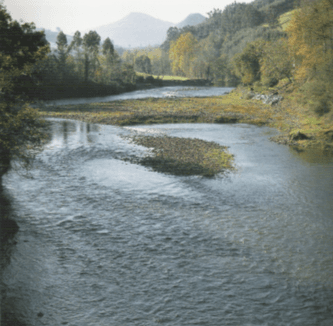
The Pas River carves a tranquil path through the rolling green hills of central Cantabria, offering visitors a quieter alternative to the region’s more famous coastal spots. Its clear waters support rich ecosystems and border traditional Pasiego villages known for stone farmhouses and dairy heritage. The river valley rewards slow travel with unspoiled landscapes, seasonal wildflowers, and a genuine sense of rural Spain rarely found in guidebooks.
Things to See and Do
Walk or cycle the riverside paths that link small hamlets such as Vega de Pas and San Pedro del Romeral. Anglers cast for native trout in permitted stretches, while calmer sections suit kayaking or stand-up paddleboarding in summer. Birdwatchers spot dippers and kingfishers along the banks. In nearby meadows, sample local cheeses and sobaos pastries at family-run farms that still follow centuries-old practices.
Getting There
Most travelers arrive by car from Santander, roughly a 45-minute drive south via the A-67 and local roads into the valley. Regional buses serve the main villages from Santander’s bus station several times daily. Once in the valley, narrow lanes reward careful driving; many scenic viewpoints and trailheads are reached only on foot.
Best Time to Visit
Late spring through early autumn brings the most reliable weather for outdoor activities, with mild temperatures and long daylight. June and September offer fewer crowds and comfortable hiking conditions. Winter visits focus on the dramatic, often misty scenery, though some trails become muddy and fishing seasons close.
Nearby Attractions
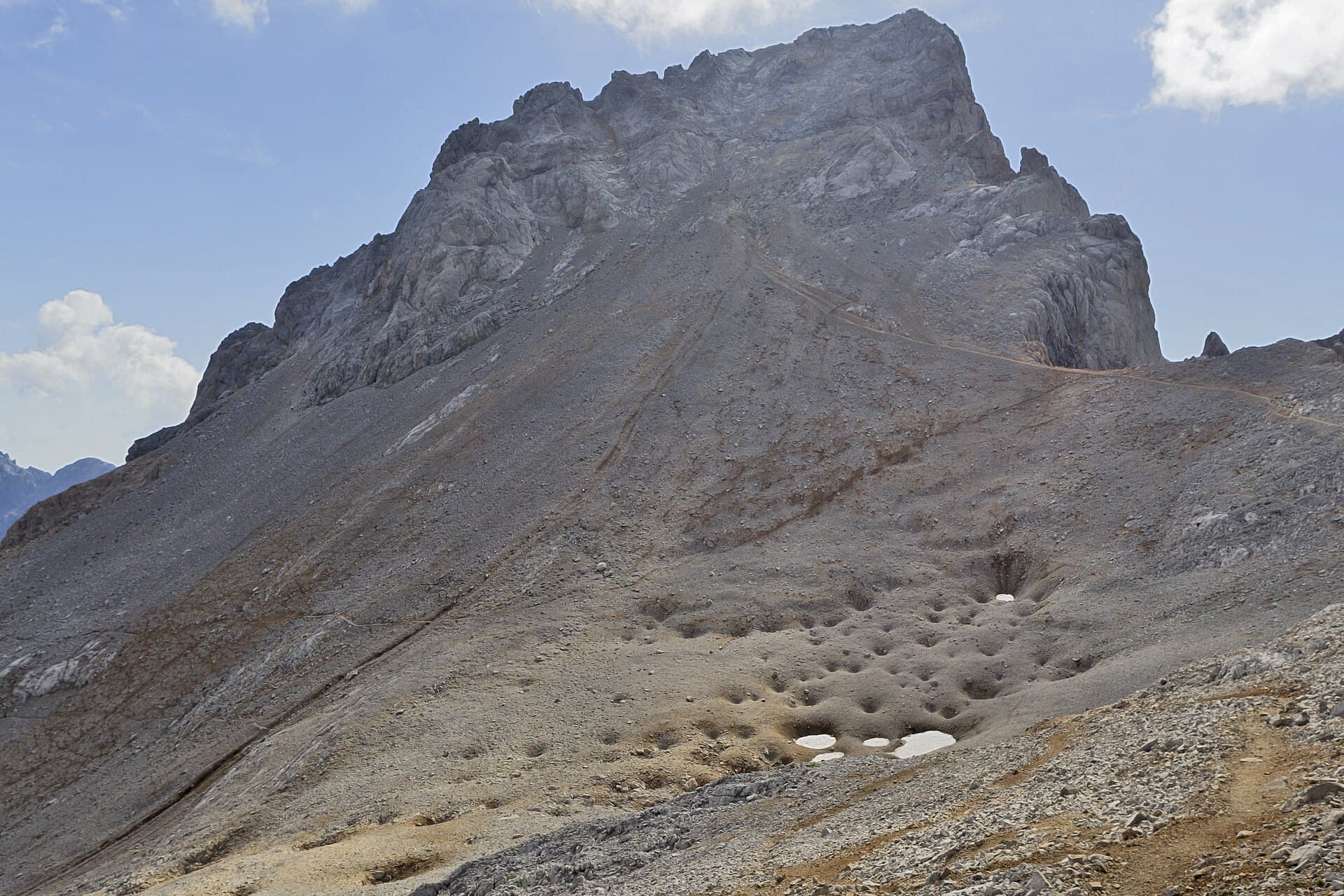
Combine a river visit with the dramatic gorges of the nearby Saja River or the beech forests of the Montes de Pas. The prehistoric cave art of Monte Castillo lies within an hour’s drive, while the medieval streets of Santillana del Mar provide a contrasting cultural stop. Mountain passes lead toward the higher peaks of the Cordillera Cantábrica for those seeking longer treks.