Why Peña Vieja Stands Out
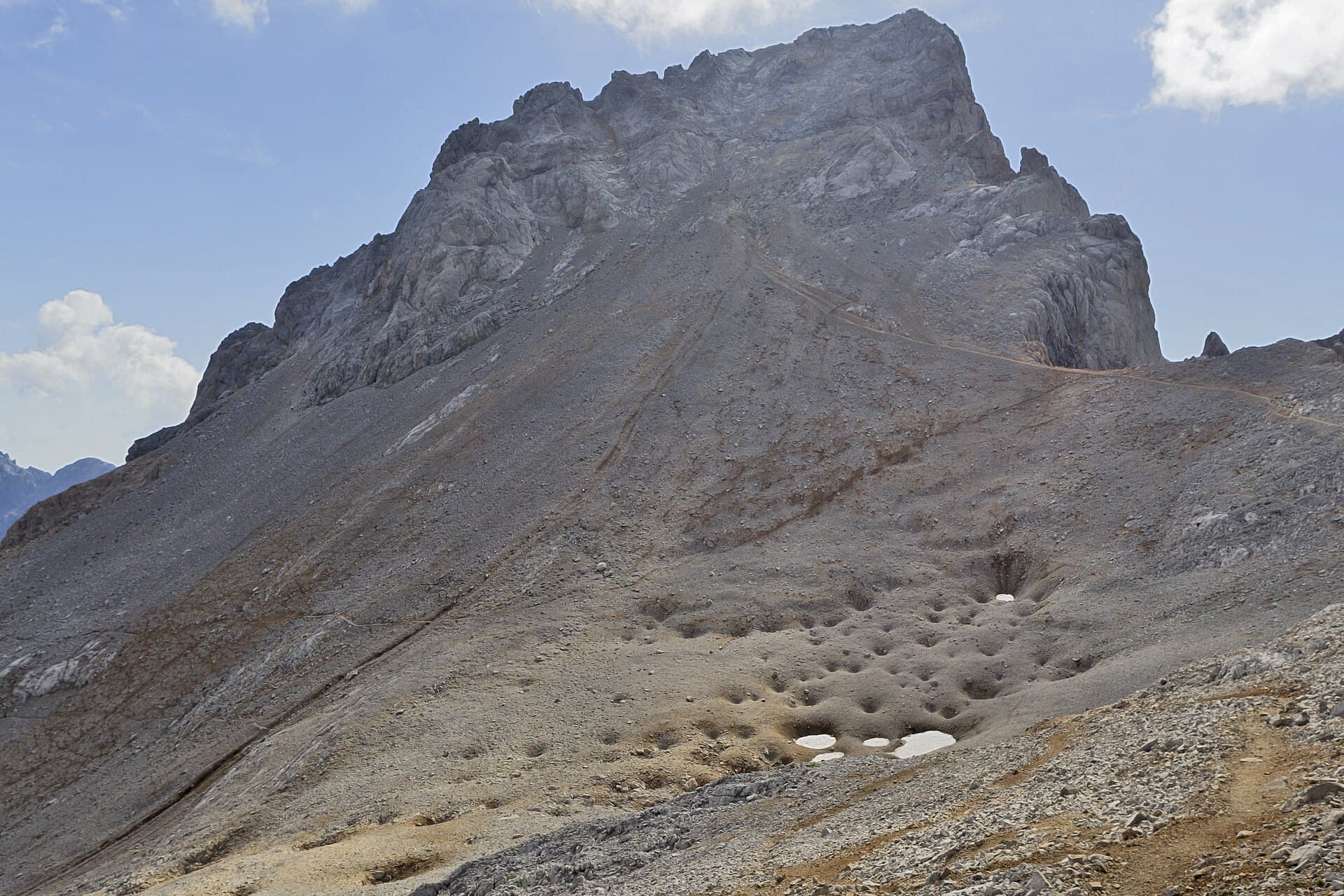
Peña Vieja rises as one of the most prominent limestone giants in the Picos de Europa, offering hikers a true high-mountain experience without technical climbing. Its rugged karst landscape, sculpted by centuries of erosion, creates a stark contrast against green valleys below. Visitors reach expansive views across the Cantabrian Mountains, the Bay of Biscay on clear days, and neighboring peaks that define this UNESCO-recognized national park.
How to Reach Peña Vieja
The standard approach begins in the village of Fuente Dé. A cable car lifts travelers from the valley floor to the high plateau, shortening the ascent and allowing more time on the upper trails. From the upper station, well-marked paths lead across alpine meadows and rocky ledges toward the base of Peña Vieja. The final section involves steady uphill walking on loose scree and occasional fixed cables for security on steeper sections.
Those arriving by car should park at Fuente Dé and plan for a full day. Public buses connect nearby towns such as Potes and Panes with Fuente Dé during the main season. Travelers flying into Santander or Bilbao can rent a car or join organized transfers to the Picos de Europa region.
Best Time to Visit
Late June through mid-September offers the most reliable conditions for hiking. Snow lingers on north-facing slopes into early summer, while autumn brings cooler temperatures and fewer crowds. Winter visits require mountaineering skills and avalanche awareness, so most tourists schedule trips between spring thaw and early fall.
Recommended Activities on and Around the Peak
- Hike the classic loop that circles the summit for continuous 360-degree panoramas.
- Photograph the dramatic rock formations and seasonal wildflowers that carpet the high pastures in July.
- Combine the Peña Vieja ascent with a visit to nearby Refugio de Aliva for overnight stays or refreshments.
- Observe chamois and griffon vultures that frequent the cliffs at dawn and dusk.
Nearby Places Worth Exploring
After descending, spend time in the Liébana valley, where medieval monasteries and traditional mountain villages provide cultural contrast to the alpine terrain. The historic town of Potes serves as a convenient base with local cider houses and cheese producers. Further afield, the Lakes of Covadonga offer another classic Picos de Europa experience featuring emerald tarns and easy boardwalk trails.