Why Visit the Teslin River
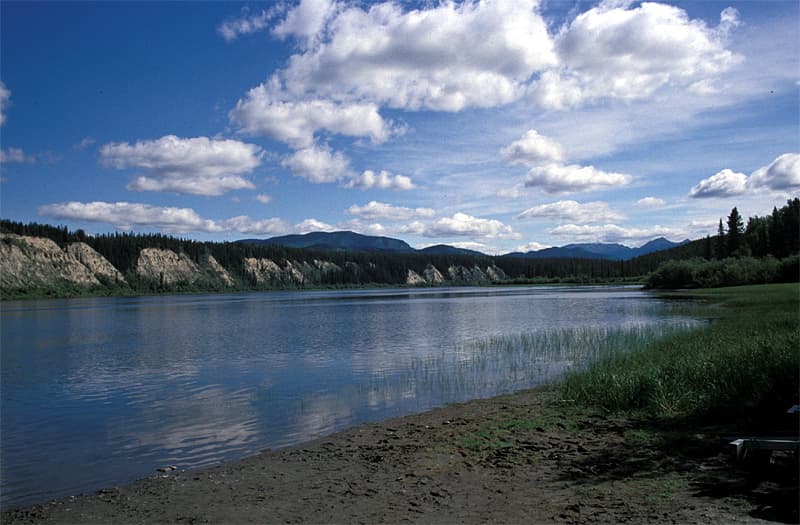
The Teslin River carves through remote boreal forest and rugged mountains in northern British Columbia, delivering a genuine wilderness experience for paddlers, anglers, and nature enthusiasts. Its clear, cold waters support healthy populations of Chinook salmon, Arctic grayling, and northern pike, while the surrounding valley provides critical habitat for moose, grizzly bears, and migratory birds. Because the river remains largely undeveloped, visitors encounter few people and abundant silence broken only by the calls of loons and the splash of beaver tails.
What to See and Do
Multi-day canoe or kayak trips are the classic way to experience the river. Travelers typically put in near the British Columbia–Yukon border and float northward, camping on gravel bars and gravelly shores. Fishing from shore or boat yields excellent results during the salmon runs; catch-and-release practices are strongly encouraged. Wildlife viewing is outstanding at dawn and dusk—look for grizzlies fishing in side channels and moose wading in shallow bays. Photographers prize the dramatic canyon sections and the contrast of turquoise water against dark spruce forests.
Day Trips and Shorter Outings
Those with limited time can launch smaller craft near accessible pullouts along the Alaska Highway corridor and spend a day drifting quieter stretches. Birders should carry binoculars for osprey nests and flocks of migrating waterfowl in spring and fall.
How to Get There
The river lies far from major cities, reached primarily by vehicle along the Alaska Highway. From Whitehorse, drive south toward the border; several informal launch sites appear where the highway briefly parallels the river. Floatplane charters from regional hubs provide access to upper reaches for those seeking complete solitude. Because roads are unpaved in places and services are sparse, travelers should carry extra fuel, spare tires, and sufficient food and water.
Best Time to Visit
July and August offer the warmest temperatures and longest daylight for paddling, while June and September provide fewer insects and spectacular salmon runs. The river is generally ice-free from late May through early October, though water levels can fluctuate dramatically after heavy rain. Winter visitors enjoy snowshoeing and ice fishing, but extreme cold and limited daylight require specialized preparation.
Nearby Attractions
After floating the Teslin, many travelers continue to Atlin Lake for its dramatic glaciated peaks or head east to the Cassiar Highway for additional remote river systems. The historic town of Teslin offers a small museum highlighting Tlingit culture and river heritage, providing context for the landscape just experienced on the water.