Why Visit Taseko Mountain
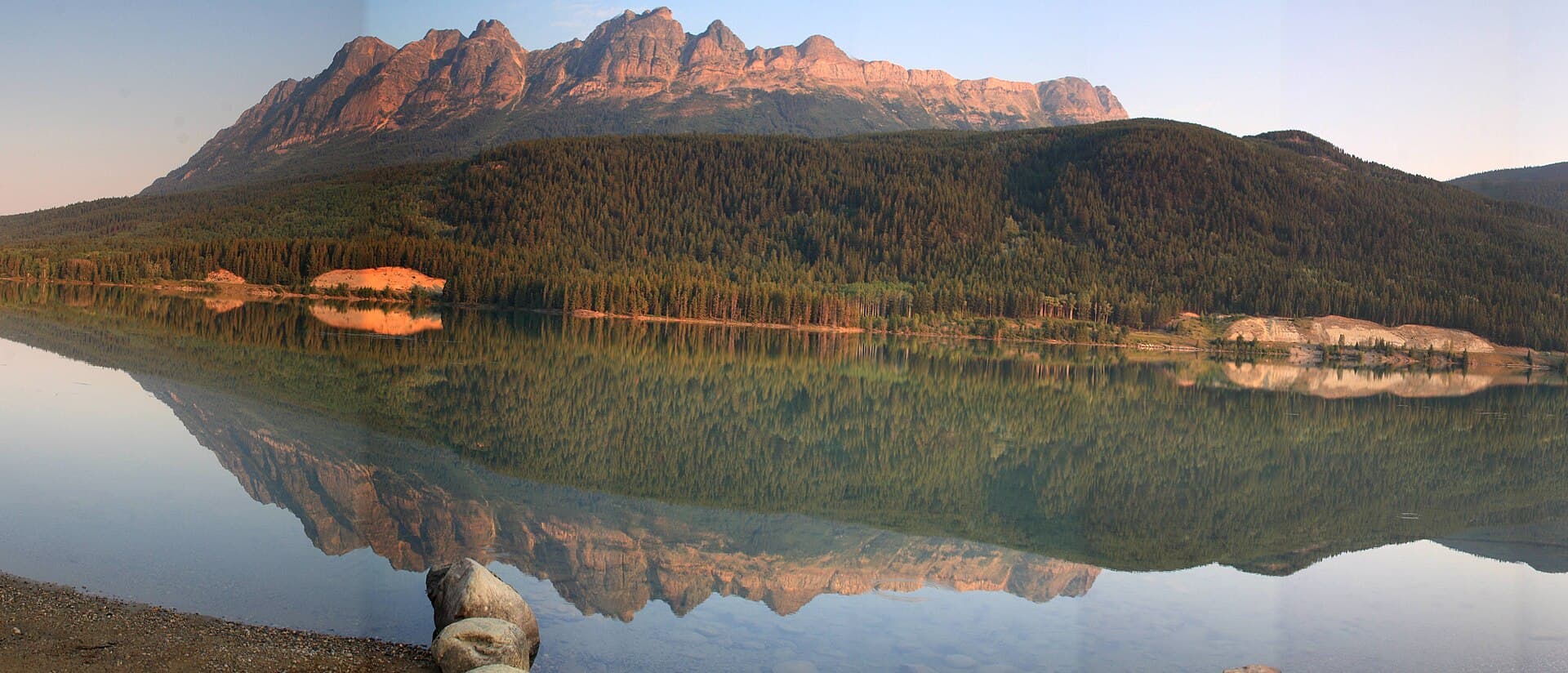
Taseko Mountain rises prominently in the Chilcotin Ranges of British Columbia, offering visitors a true wilderness experience far from crowds. Its rugged terrain features steep slopes, rocky ridges, and high-elevation meadows that support diverse wildlife including grizzly bears, mountain goats, and golden eagles. The mountain’s isolation preserves a sense of adventure that draws experienced hikers and photographers seeking untouched landscapes.
Getting There
Access begins from Williams Lake or Bella Coola along Highway 20, followed by forestry service roads that lead toward the Taseko Lakes area. From trailheads near the lakes, hikers follow established routes into the surrounding valleys before ascending toward the summit. Four-wheel-drive vehicles are recommended for the rough roads, and many visitors arrange floatplane or helicopter charters from regional bases for direct drop-offs near the mountain’s base.
Best Time to Visit
The optimal season runs from July through September when snow has melted from high routes and daytime temperatures allow comfortable travel. Early summer brings vibrant wildflowers in lower meadows, while September offers cooler days and fewer insects. Winter travel demands advanced mountaineering skills and avalanche awareness due to heavy snowfall and unstable conditions.
Activities and Attractions
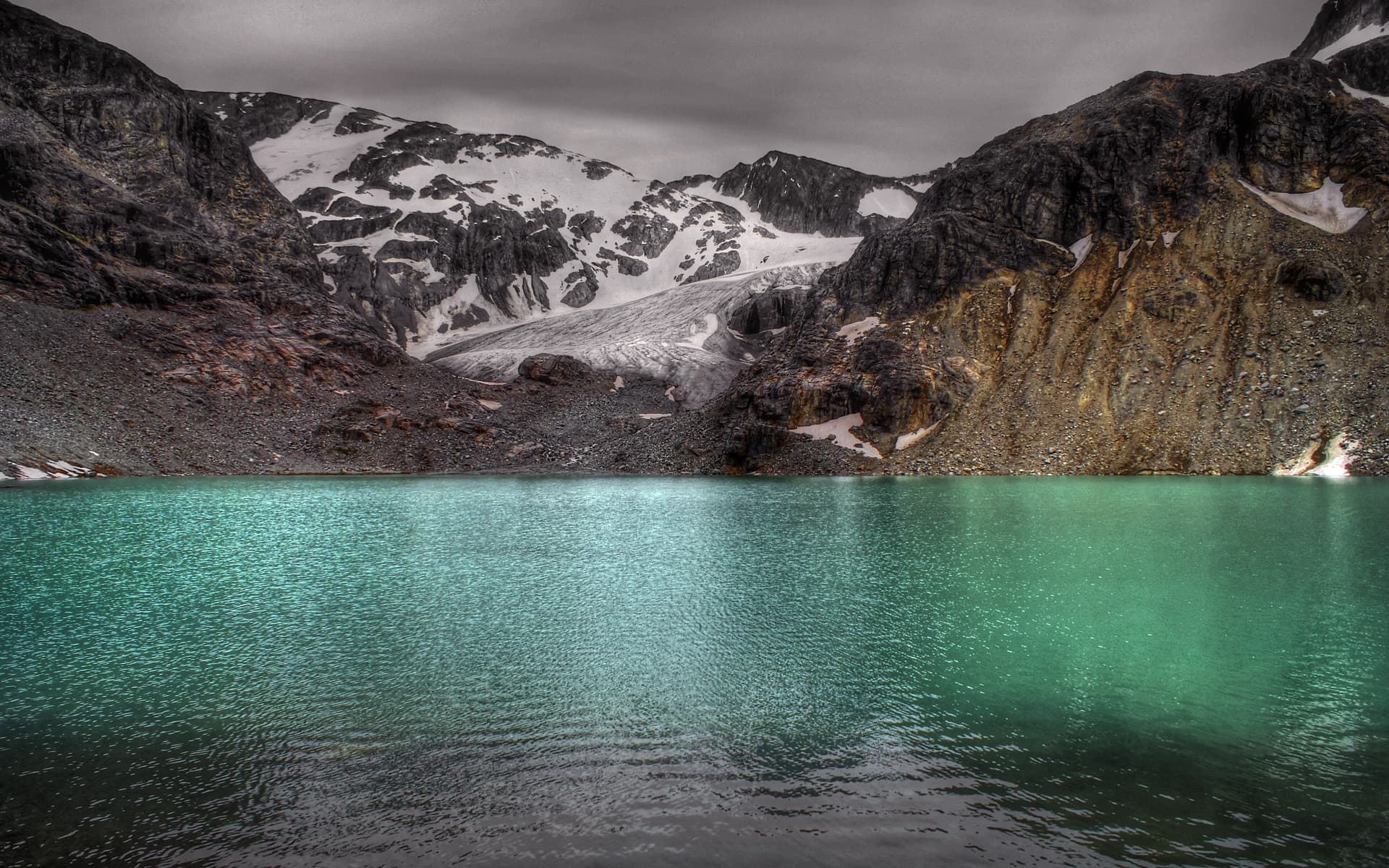
Primary pursuits include multi-day backpacking loops that circle the mountain’s flanks, with opportunities for scrambling along exposed ridges. Wildlife viewing is exceptional in the open alpine zones, and clear nights provide outstanding stargazing. Nearby attractions encompass the turquoise waters of the Taseko Lakes and connecting trails leading into Ts’yl-os Provincial Park, where visitors can extend trips across additional peaks and river valleys.
Practical Considerations
Travelers must carry all supplies, including water treatment and navigation tools, as services are nonexistent beyond the trailheads. Permits are not required for day use, yet backcountry camping follows Leave No Trace principles to protect fragile ecosystems. Weather can shift rapidly, so layered clothing and reliable shelter are essential.