Keep reading
Nearby & related
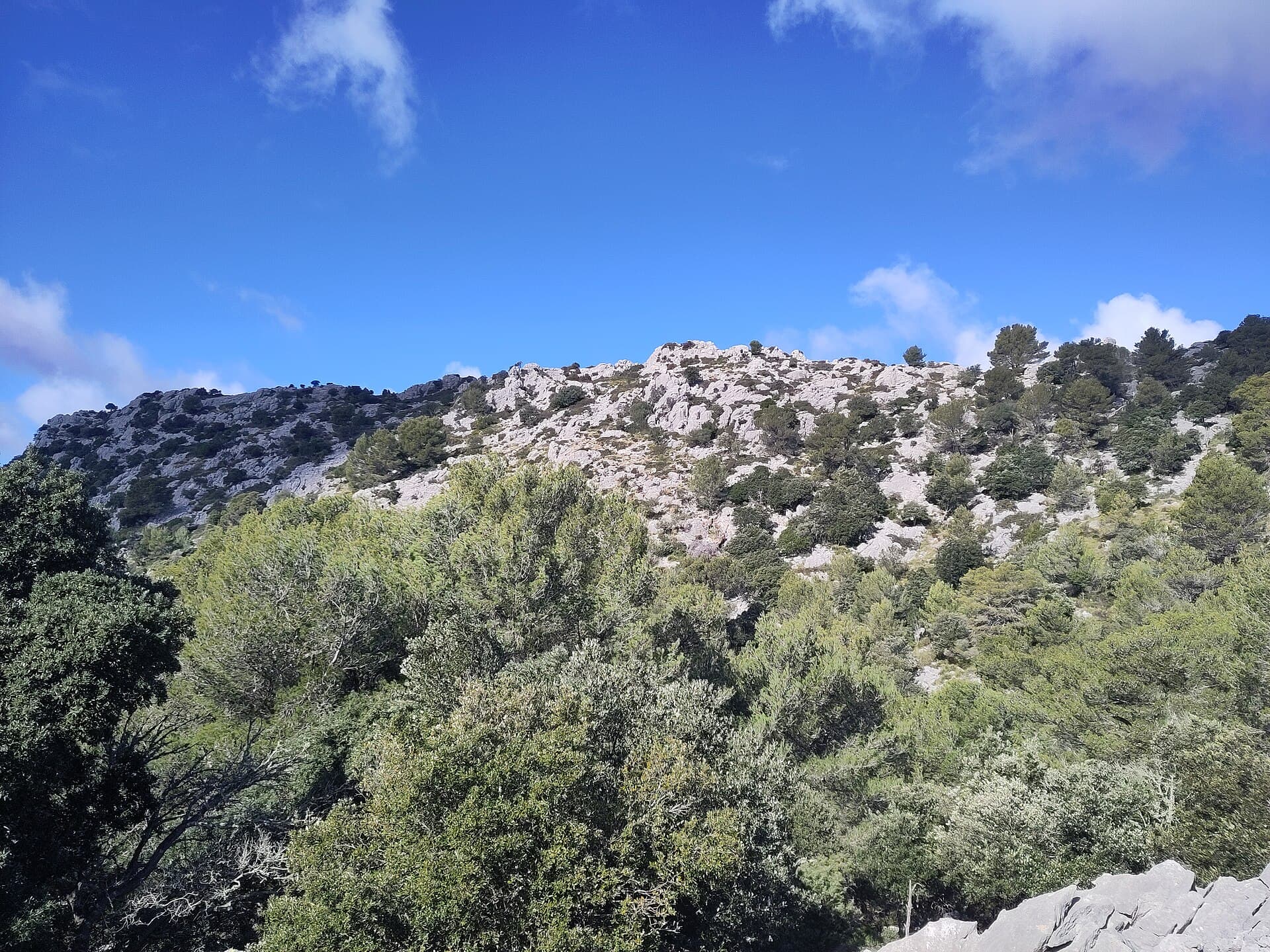
Sa Capella Blava: Hiking Mallorca’s Blue Chapel Peak
A rugged mountain summit offering sweeping views across northern Mallorca’s Tramuntana range and coastline.
21 September 2026
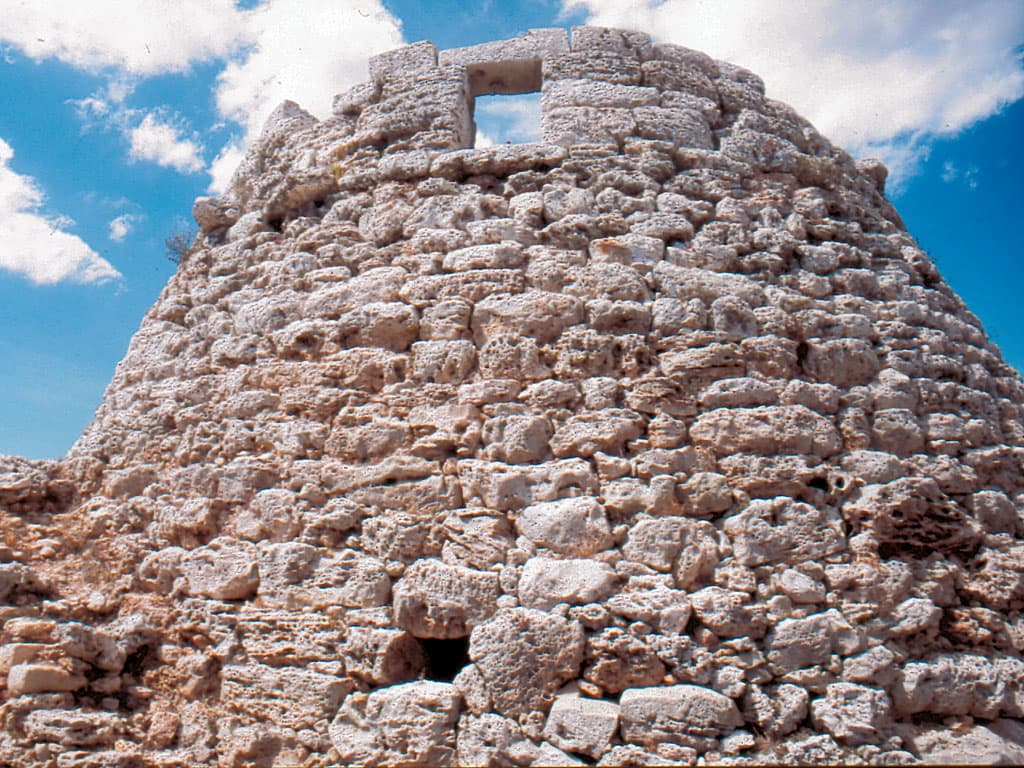
Explore this well-preserved Talayotic tower on Menorca for a direct connection to the island’s ancient past.
The Talaiot de Torelló stands as one of Menorca’s most accessible and intact examples of Talayotic architecture, a circular stone tower built more than 3,000 years ago. Unlike larger or restored sites, this monument retains its original rough-hewn blocks and modest scale, giving visitors an immediate sense of how these structures once dominated the landscape as watchtowers, meeting places, or defensive outposts.
Constructed during the late Bronze Age and early Iron Age, talaiots form part of a wider cultural network found only in the Balearic Islands. The Torelló example sits on a low rise overlooking fertile farmland, illustrating how prehistoric communities chose elevated positions for visibility across the island. Archaeologists note its proximity to other monuments, suggesting the site belonged to a network of settlements linked by sightlines rather than roads.
Walk the short path around the base to appreciate the massive limestone blocks fitted without mortar. From the summit, clear days reveal the distant coastline and the outline of other talaiots on the horizon. Photographers favor the golden light at dawn or late afternoon when shadows accentuate the stonework. Allow 30 to 45 minutes to examine the structure and read the modest interpretive panels that explain construction techniques without overwhelming detail.
The site lies a short drive from Maó in eastern Menorca. Follow the main road toward Sant Lluís, then turn onto the signed rural lane; parking is available in a small unpaved area beside the field. Public buses stop nearby on request, though most visitors arrive by rental car or bicycle along the quiet country lanes. The final approach is on foot across flat ground, suitable for most mobility levels.
Spring (March–May) and autumn (September–November) offer mild temperatures ideal for outdoor exploration. Summer visits are possible but plan for early morning to avoid midday heat and strong sun on the open stone. Winter months bring fewer crowds and softer light, though occasional rain can make the path muddy.
Combine a visit with the nearby Talaiot de Trebalúger or the coastal path at Cala Sant Esteve for a half-day itinerary focused on Menorca’s layered history. The port town of Maó, with its deep natural harbor, provides cafés and shops just minutes away.
Keep reading
A rugged mountain summit offering sweeping views across northern Mallorca’s Tramuntana range and coastline.
The structure dates to the Talayotic period, roughly 1200u2013500 BCE, making it over three thousand years old.
Yes, the short flat walk and low structure make it family-friendly, though supervision is needed around the uneven stones.
Visitors may walk around the exterior and onto the low platform but cannot enter any interior chambers, which are sealed for preservation.
No facilities exist at the talaiot; the nearest services are in Mau00f3 or Sant Lluu00eds, a five-minute drive away.
Local buses pass within walking distance on request; however, a car or bicycle offers the most convenient access from Mau00f3.
A rewarding, low-crowd ascent through olive terraces and pine forest to sweeping views over western Mallorca.
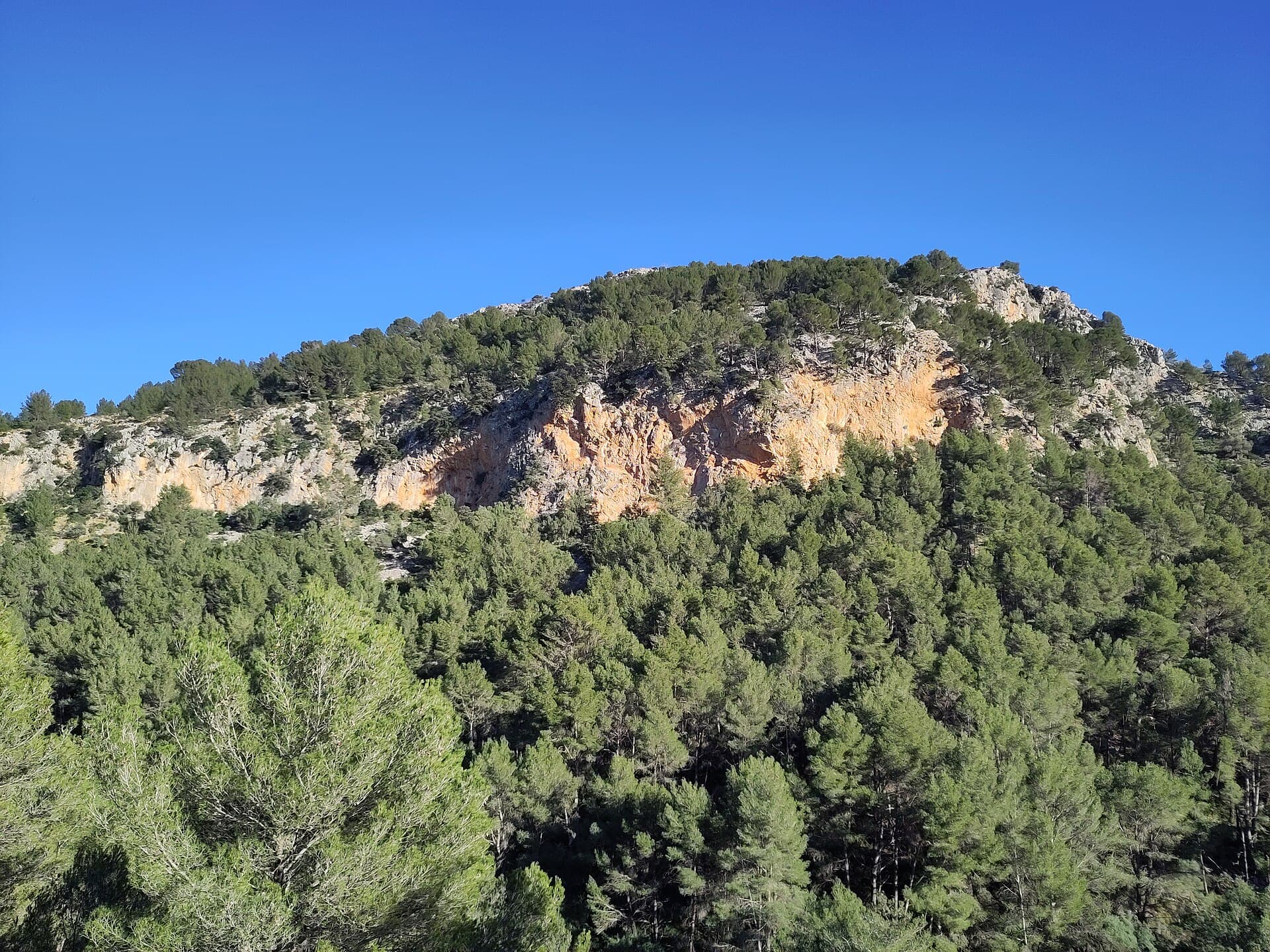
This modest peak in the Serra de Tramuntana rewards hikers with sweeping Mediterranean views and a peaceful escape from…