Keep reading
Nearby & related
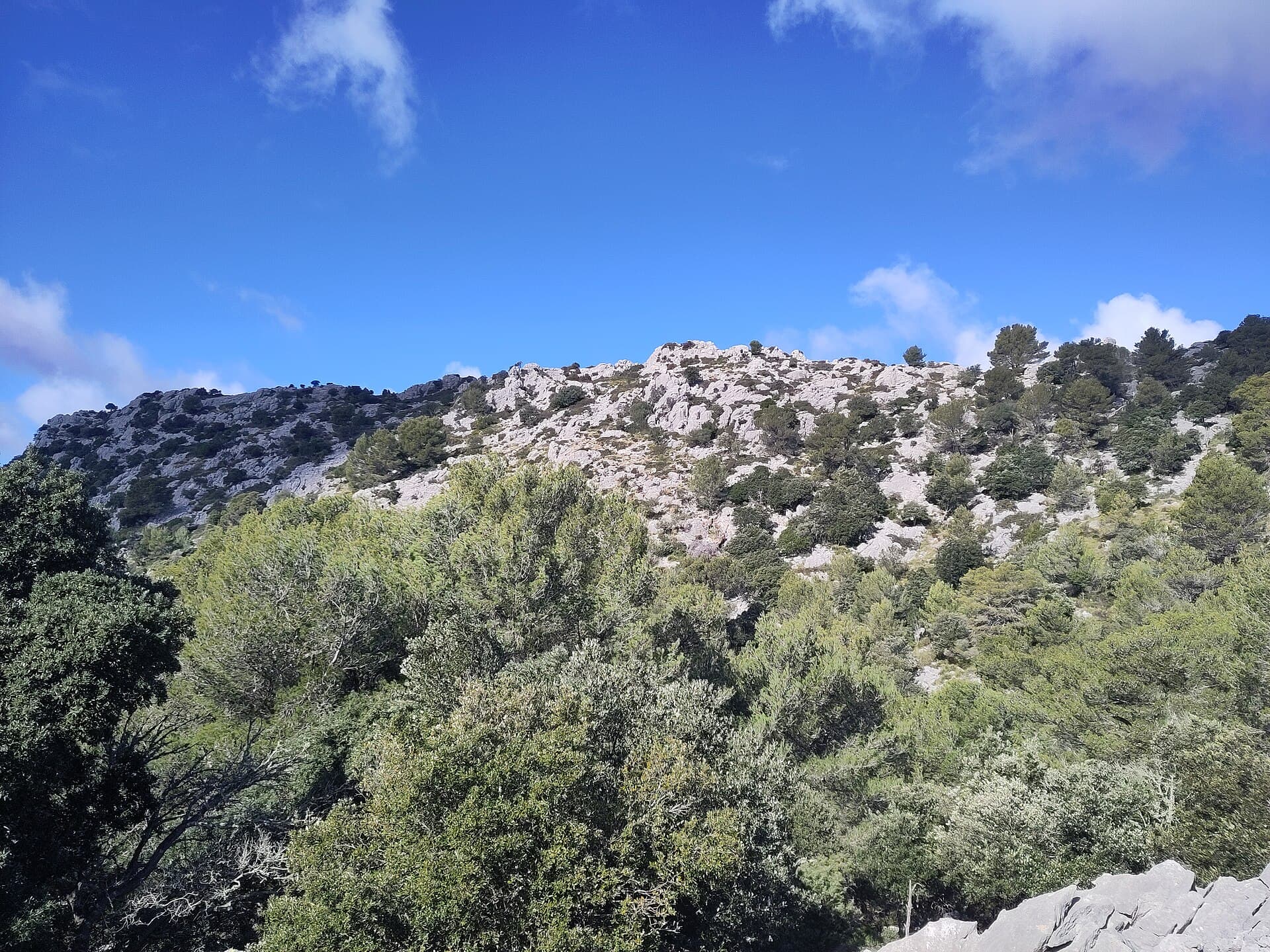
Sa Capella Blava: Hiking Mallorca’s Blue Chapel Peak
A rugged mountain summit offering sweeping views across northern Mallorca’s Tramuntana range and coastline.
21 September 2026
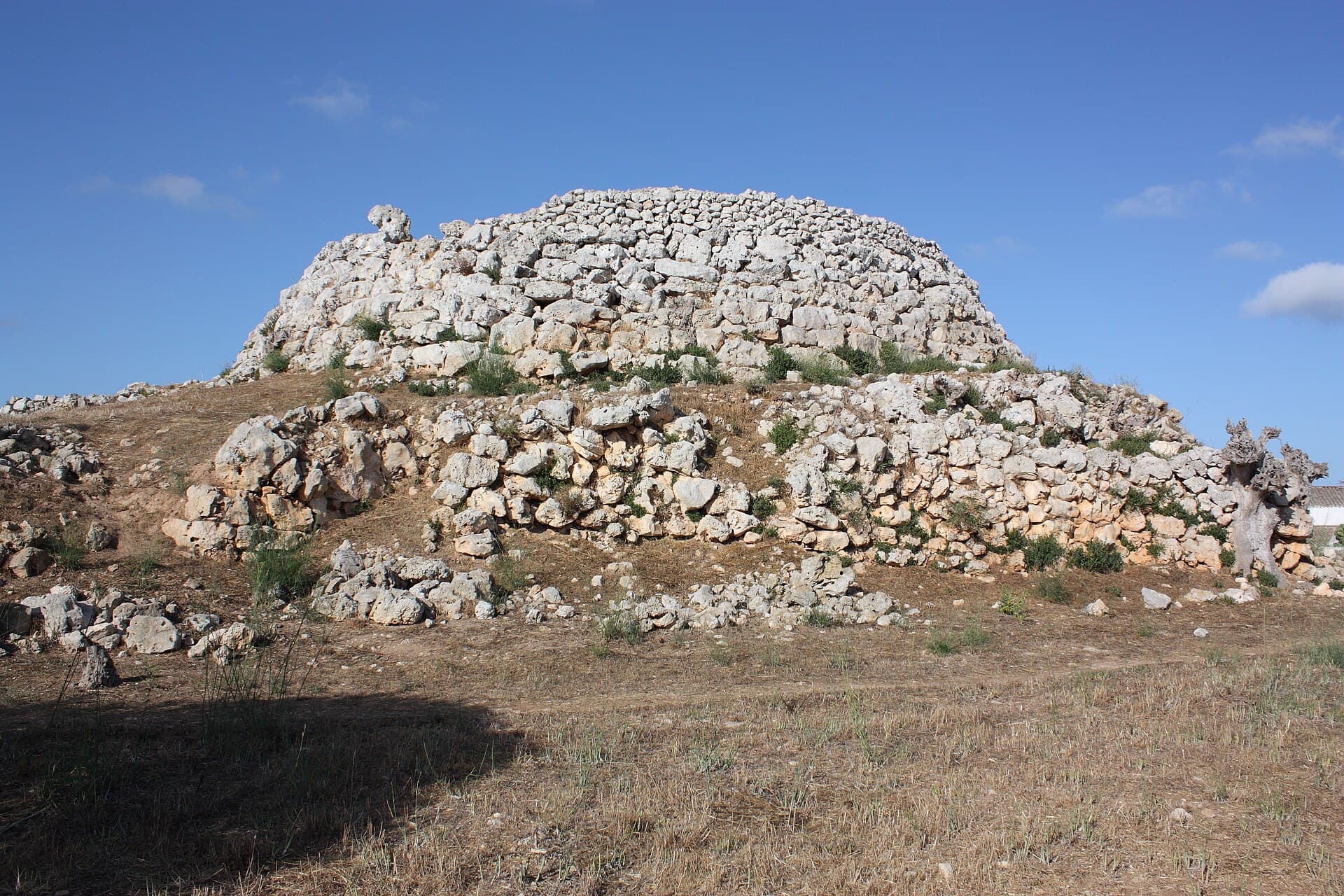
A well-preserved talayot offering a direct encounter with Bronze Age life on the island.
The Talaiot de Trebalúger stands as a solitary circular stone tower built by the Talayotic people more than three thousand years ago. These dry-stone structures served as dwellings, watchtowers, or ritual sites and form the most visible legacy of Menorca’s prehistoric culture. At Trebalúger the central chamber remains intact, its massive blocks still supporting the original corbelled roof.
Visitors walk around the exterior to appreciate the precise fitting of the stones and the slight batter of the walls. Inside the low entrance leads to a single room roughly four metres across. From the top of the mound the surrounding farmland and distant hills reveal how the builders chose elevated positions with clear sightlines across the island. Information panels on the path explain the construction technique without overwhelming the atmosphere.
The site lies in open countryside south of Maó. Most travellers arrive by rental car along the Me-1 then minor roads; parking is available beside the footpath. Cyclists and walkers can reach it via quiet lanes from nearby villages. Public transport is limited, so planning a morning or afternoon visit around bus schedules is advisable. Comfortable shoes are essential because the ground is uneven and stony.
Spring and autumn bring mild temperatures and fewer visitors, allowing quiet contemplation of the monument. Summer visits are possible early in the morning or late afternoon when the light is softer and the stones cooler. Winter days are often clear but can be windy on the exposed mound.
Within a short drive are other Talayotic remains such as the settlement at Trepucó and the hypogeum of Torre d’en Galmés. The coastal path at Cala de Sant Esteve offers a pleasant contrast of prehistoric stone and Mediterranean sea views. Maó’s historic centre provides cafés and a museum that contextualises the island’s ancient heritage.
Keep reading
A rugged mountain summit offering sweeping views across northern Mallorca’s Tramuntana range and coastline.
Archaeologists date the structure to the late Bronze Age or early Iron Age, roughly 1000u2013700 BCE.
The open setting and low entrance make it accessible for most families, though the uneven ground requires supervision.
Visitors may walk around the exterior and enter the chamber, but climbing the walls is not permitted to protect the monument.
There are no toilets, cafu00e9s or shaded areas; plan accordingly and bring water.
Most visitors spend 30 to 45 minutes exploring the structure and its immediate surroundings.
A rewarding, low-crowd ascent through olive terraces and pine forest to sweeping views over western Mallorca.
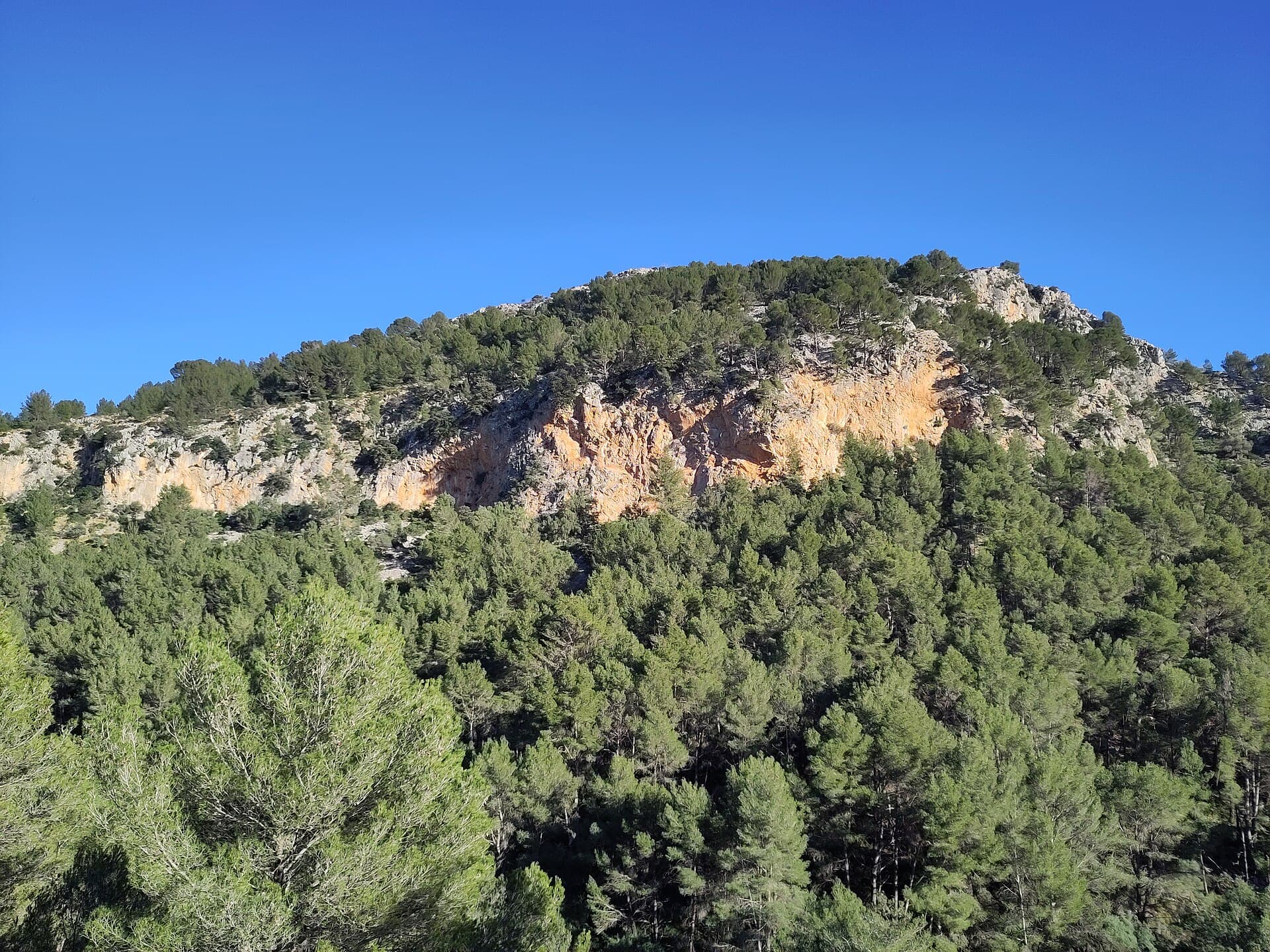
This modest peak in the Serra de Tramuntana rewards hikers with sweeping Mediterranean views and a peaceful escape from…