Discovering Stuart Lake
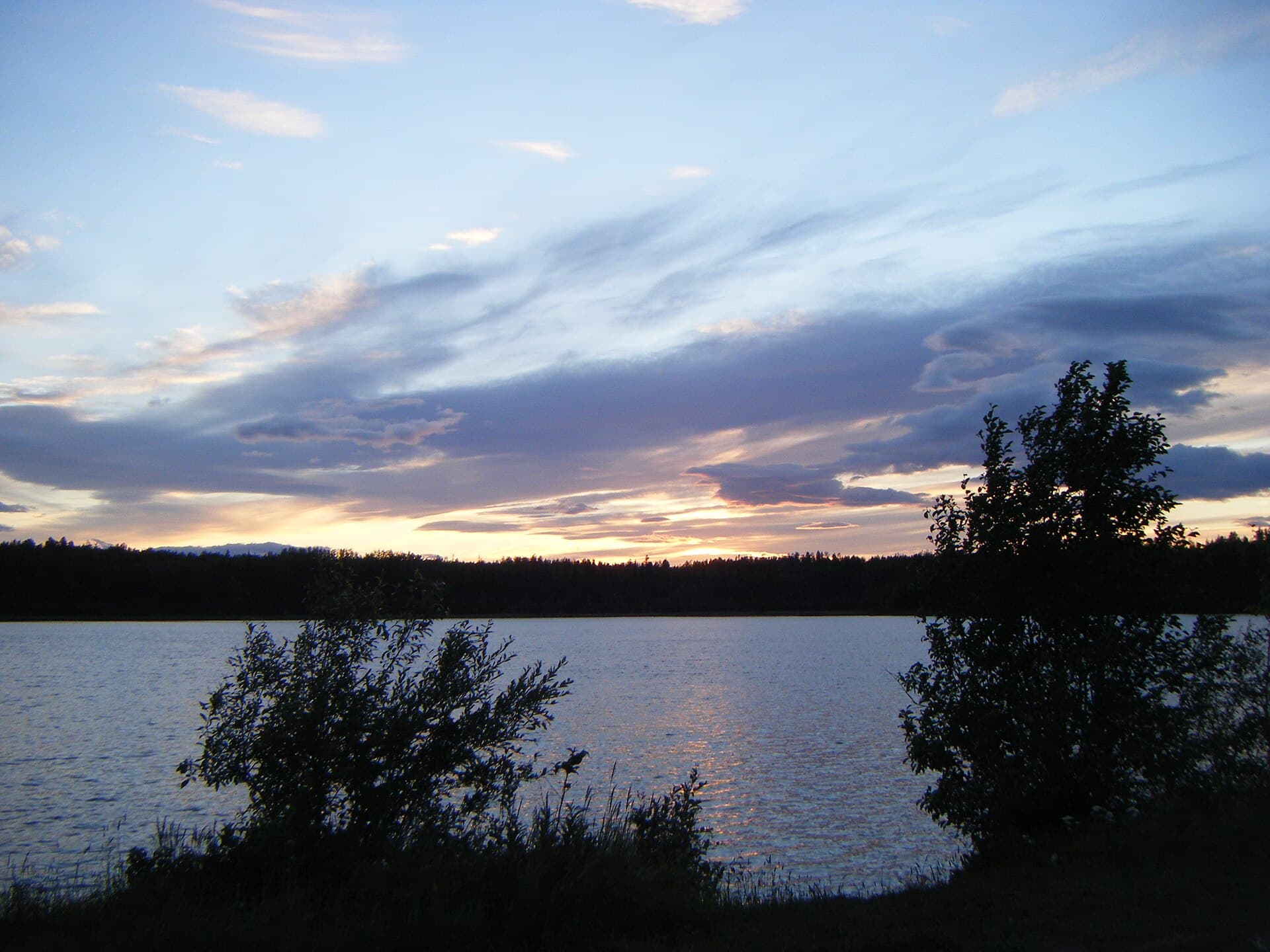
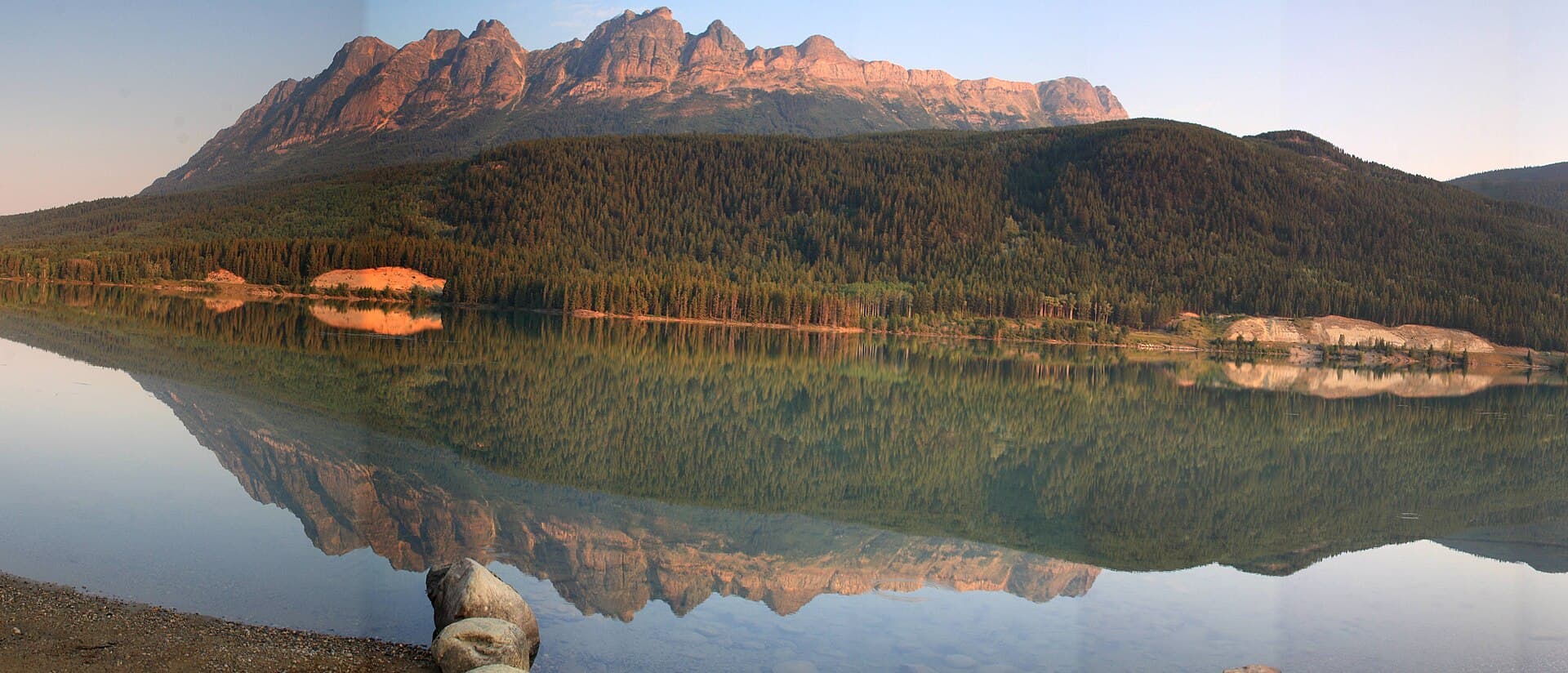
Stuart Lake stretches across northern British Columbia as one of the region’s largest natural bodies of water, offering visitors a remote yet accessible wilderness experience. Its clear waters reflect the surrounding spruce and pine forests while supporting abundant fish populations that draw anglers from across the province. The lake sits in the traditional territory of the Nak’azdli Whut’en First Nation, adding cultural depth to any visit.
Activities on and Around the Lake
Angling ranks among the top draws, with opportunities for rainbow trout, lake trout, and seasonal salmon runs in connected waterways. Boaters and kayakers appreciate the lake’s size for long, scenic paddles or motorized exploration of sheltered bays. Shoreline trails and nearby forest roads provide hiking and wildlife viewing chances, where moose, bears, and waterfowl are frequently spotted. Camping options range from established provincial sites to dispersed backcountry spots along the shore.
Getting There
Most travelers reach Stuart Lake by driving Highway 27 from Vanderhoof or connecting via Highway 16 from Prince George. The route passes through rolling farmland before entering forested terrain. Floatplanes and small aircraft also serve the area for those seeking a quicker arrival from southern hubs. Once on site, a network of gravel roads circles much of the shoreline, allowing access to multiple launch points and viewpoints.
Best Time to Visit
Summer brings the longest days and warmest water temperatures, ideal for extended boating and swimming. Late spring and early fall offer fewer insects and excellent fishing conditions as fish move into shallows. Winter visitors may find ice fishing and snowmobiling opportunities when conditions permit, though road access requires careful planning for snow and ice.
Nearby Destinations
The adjacent Fort St. James National Historic Site preserves a restored fur-trade post that once served as a key Hudson’s Bay Company hub. Short drives lead to smaller lakes and rivers within the broader Nechako watershed for additional paddling or angling variety. The region’s vast network of logging roads also opens possibilities for multi-day backcountry adventures.