History and Architecture
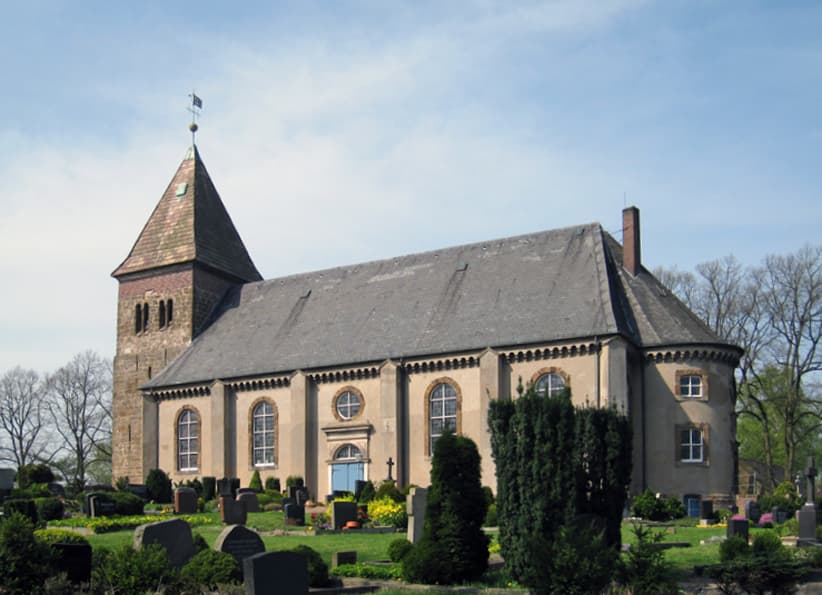
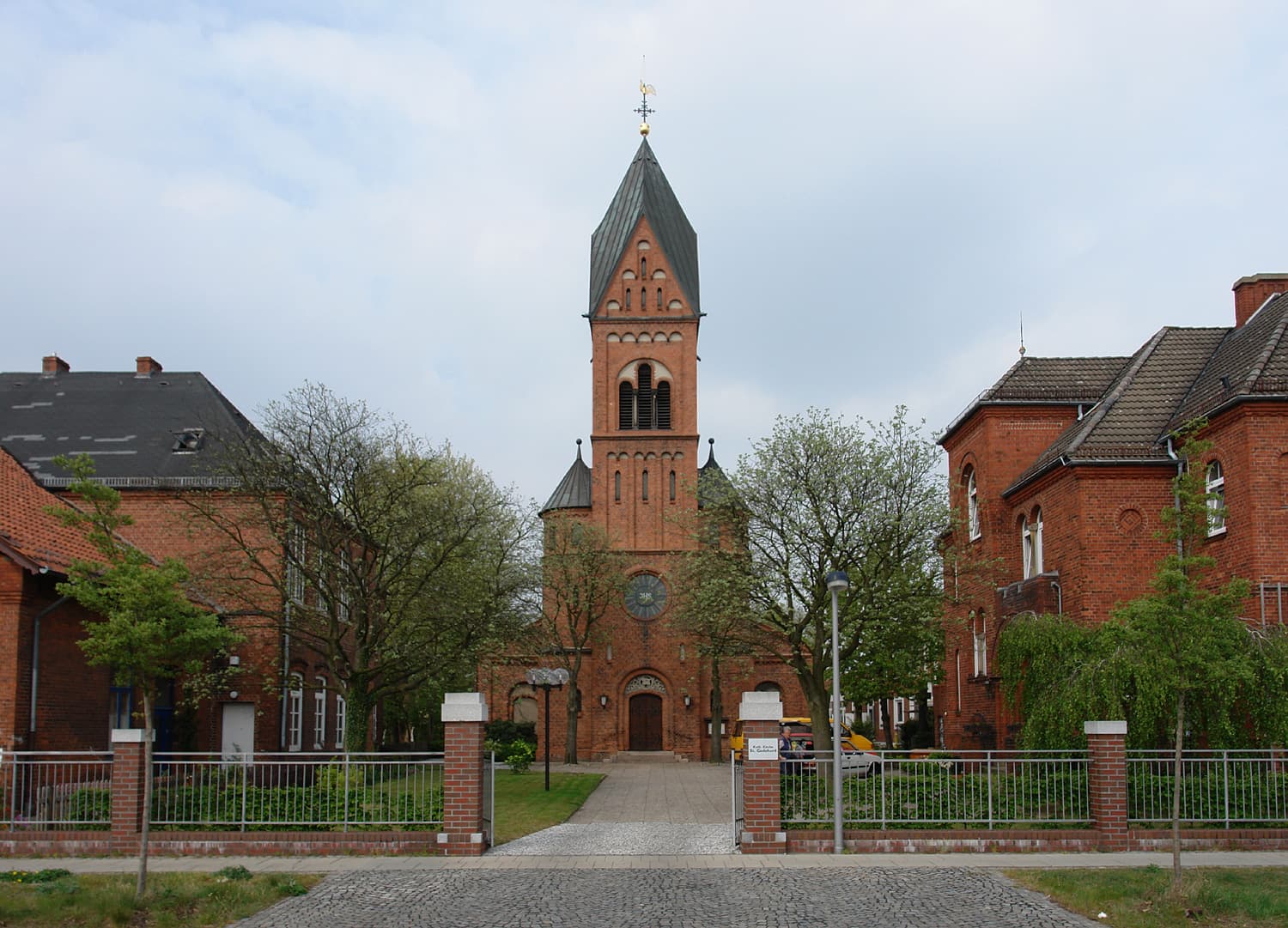
St. Johannis in Hemelingen stands as a modest yet distinctive Protestant church built in the mid-1800s. Its red-brick exterior and slender tower reflect the restrained Gothic Revival style common in northern Germany. The building replaced earlier structures on the site and has served the growing industrial community around Bremen’s port and railway for generations.
Interior Highlights
Inside, visitors notice the simple nave, clear sightlines to the altar, and a modest organ loft. Stained-glass windows depict local saints and biblical scenes without overwhelming the space. The church retains original wooden pews and a plain pulpit, giving a sense of continuity with the working families who have worshipped here since the railway era.
Visiting St. Johannis
The church welcomes respectful visitors year-round. Walk the short path from the street to the entrance and take time to read the historical plaques near the door. The surrounding churchyard contains older gravestones that illustrate the area’s shipyard and railway heritage.
How to Get There
Reach St. Johannis easily by public transport. Hemelingen station lies a short walk away on the Bremen S-Bahn line. Cyclists follow the Weser River path from the city center; the route is flat and well-signed. Drivers find limited street parking nearby but can use the larger lots at the adjacent shopping area before walking over.
Best Time to Visit
Spring and early autumn provide the most comfortable weather for combining a church visit with a riverside stroll. Weekday mornings are quietest, while occasional evening concerts or community events bring the building to life. In December the modest Christmas market on the square offers local mulled wine and handmade crafts without the crowds of central Bremen.
Nearby Attractions
Combine the visit with a walk to the nearby Weser promenade or the historic Hemelingen lock. The district’s former railway workshops now house small museums and cafés, and the expansive Bürgerpark lies a short ride away for those wanting green space after the church interior.