History and Significance
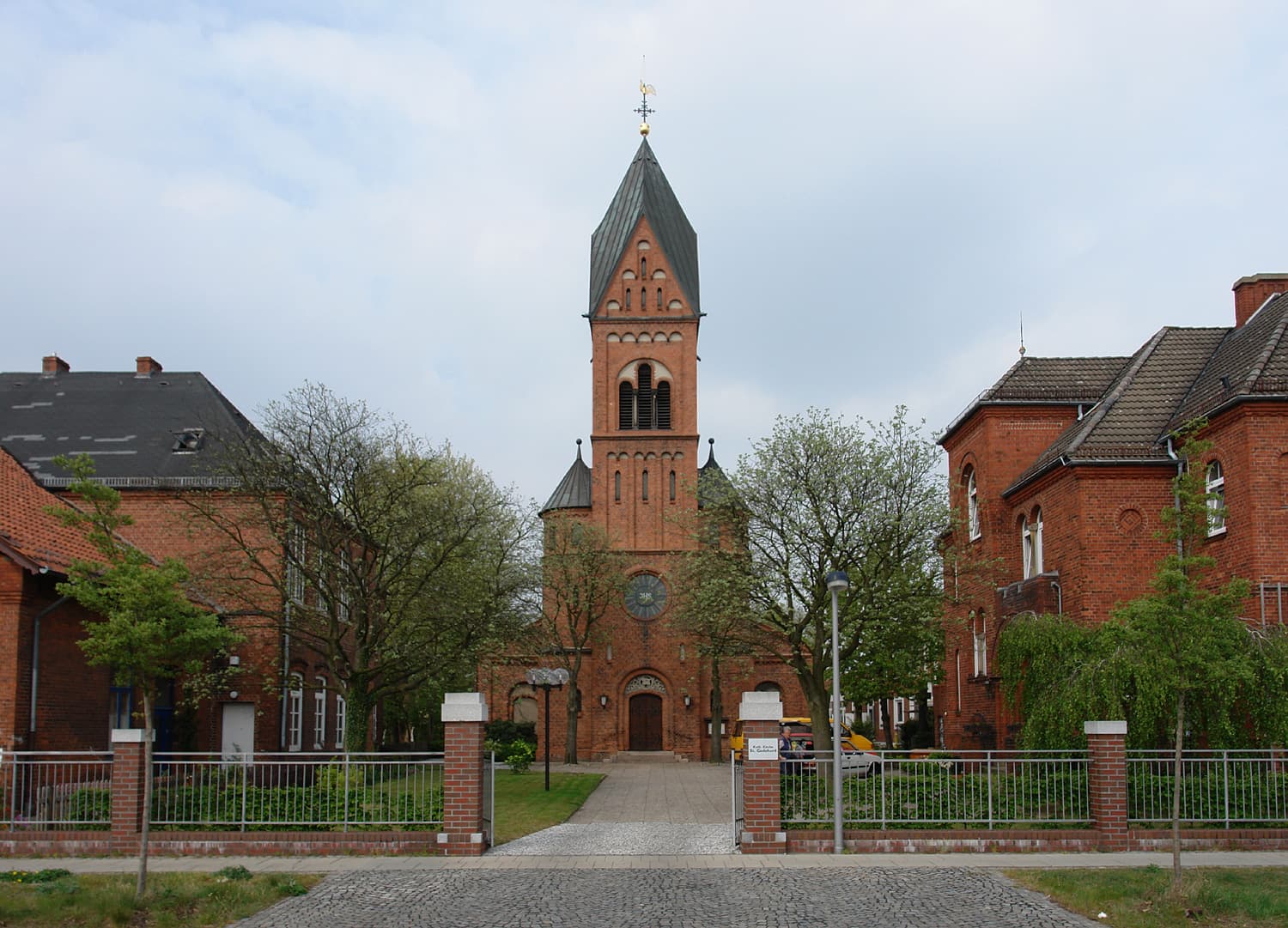
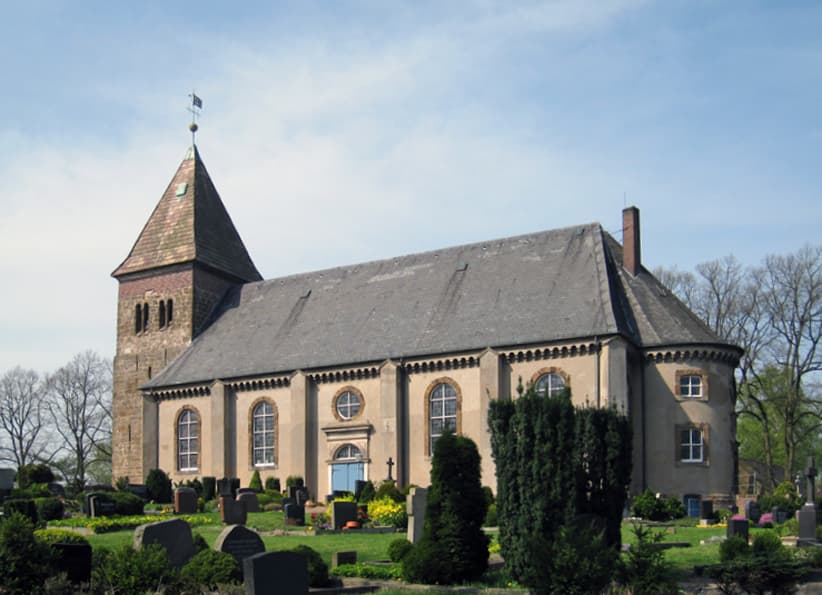
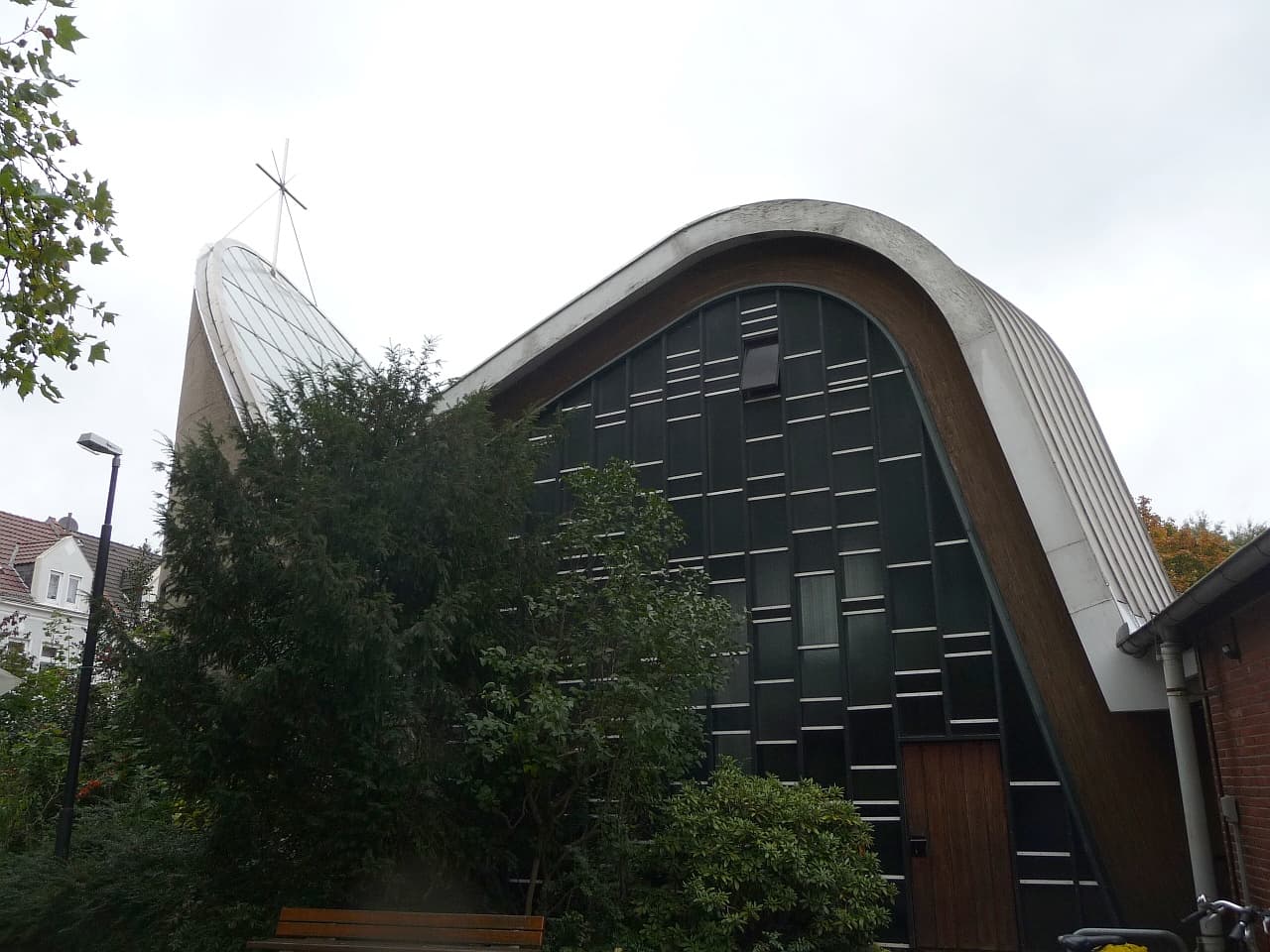
St. Godehard stands as a solid brick church serving the Catholic community in Hemelingen, a district on the eastern side of Bremen. Named after the eleventh-century Bishop of Hildesheim, the building reflects the steady growth of the local parish during the industrial expansion of the late nineteenth and early twentieth centuries. Its straightforward design and prominent tower make it a recognizable point in the residential and former industrial landscape along the Weser River.
What to See Inside and Around the Church
Visitors enter a calm nave lit by tall windows that highlight simple brick vaulting and a modest high altar. Side chapels contain statues of regional saints, while the organ loft preserves instruments typical of northern German parishes. Outside, the surrounding churchyard offers benches beneath mature trees, and the adjacent parish house occasionally displays historical photographs of Hemelingen’s development. The church’s location near the river path allows easy extension of a visit into a short walk along the Weser.
Getting There
Hemelingen lies roughly six kilometers east of Bremen’s main railway station. Frequent trams and buses stop within a few minutes’ walk of the church; cyclists can follow the riverside route or the former railway line converted into a green path. Drivers will find limited on-street parking around the parish grounds, with better options near the nearby shopping streets.
Best Time to Visit
Spring and early autumn bring pleasant weather for combining a church visit with a walk along the Weser. Weekday mornings are quieter, while Sunday services fill the space with local worshippers. The interior remains accessible year-round, and the surrounding residential streets show seasonal changes in garden plantings that add color to photographs of the tower.
Nearby Places Worth Combining
After leaving St. Godehard, continue along the river to the former shipyard areas now repurposed as parks, or head west toward the city center to reach Bremen’s UNESCO-listed market square and cathedral. The district’s industrial heritage sites, including old railway buildings, provide additional context for the area’s transformation from port-related industry to mixed residential use.