Keep reading
Nearby & related
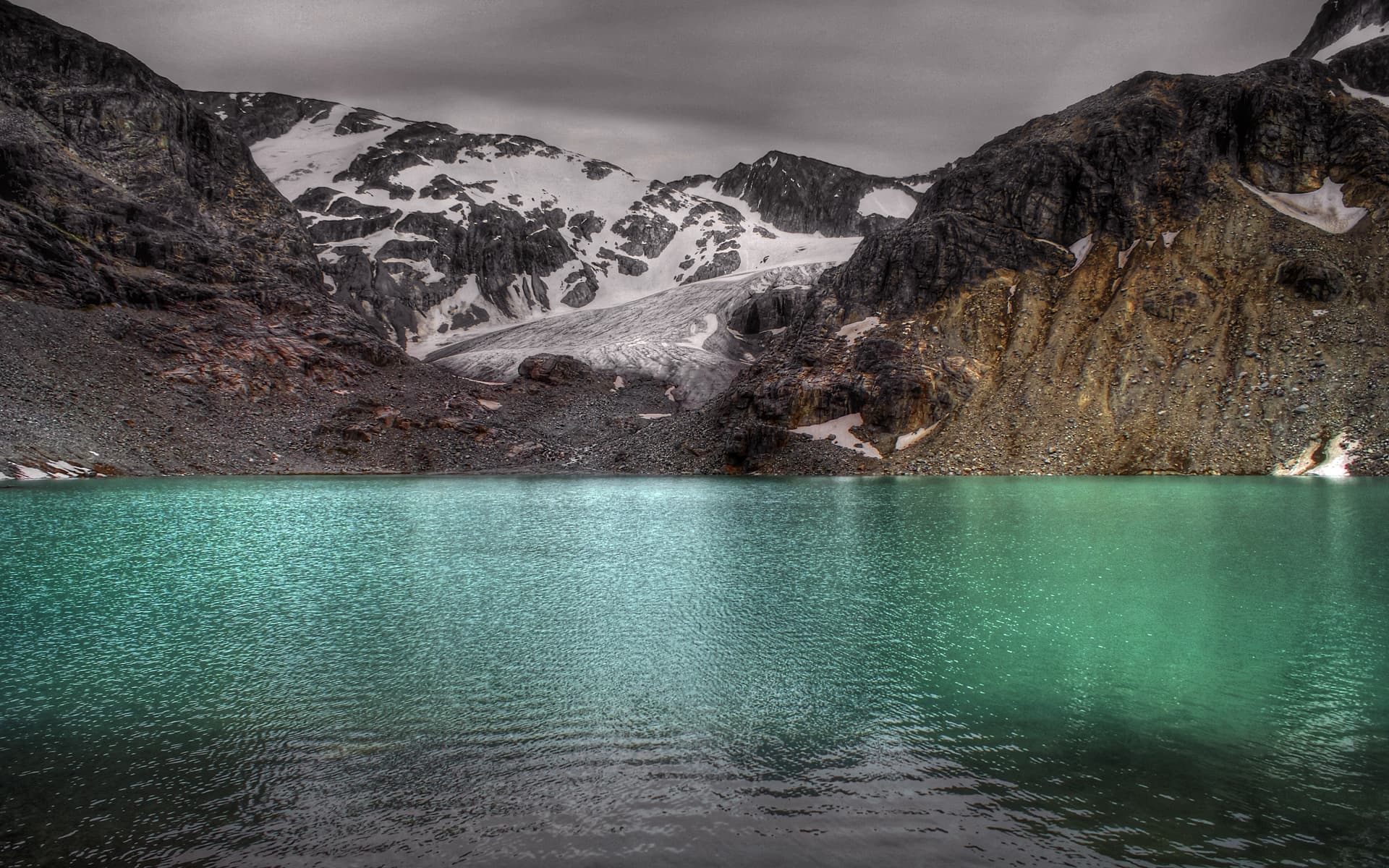
Wedgemount Lake: Hiking to a Turquoise Alpine Gem Near Whistler
A rewarding backcountry trek leads to glacial waters and sweeping mountain views in British Columbia’s Coast Range.
8 August 2026
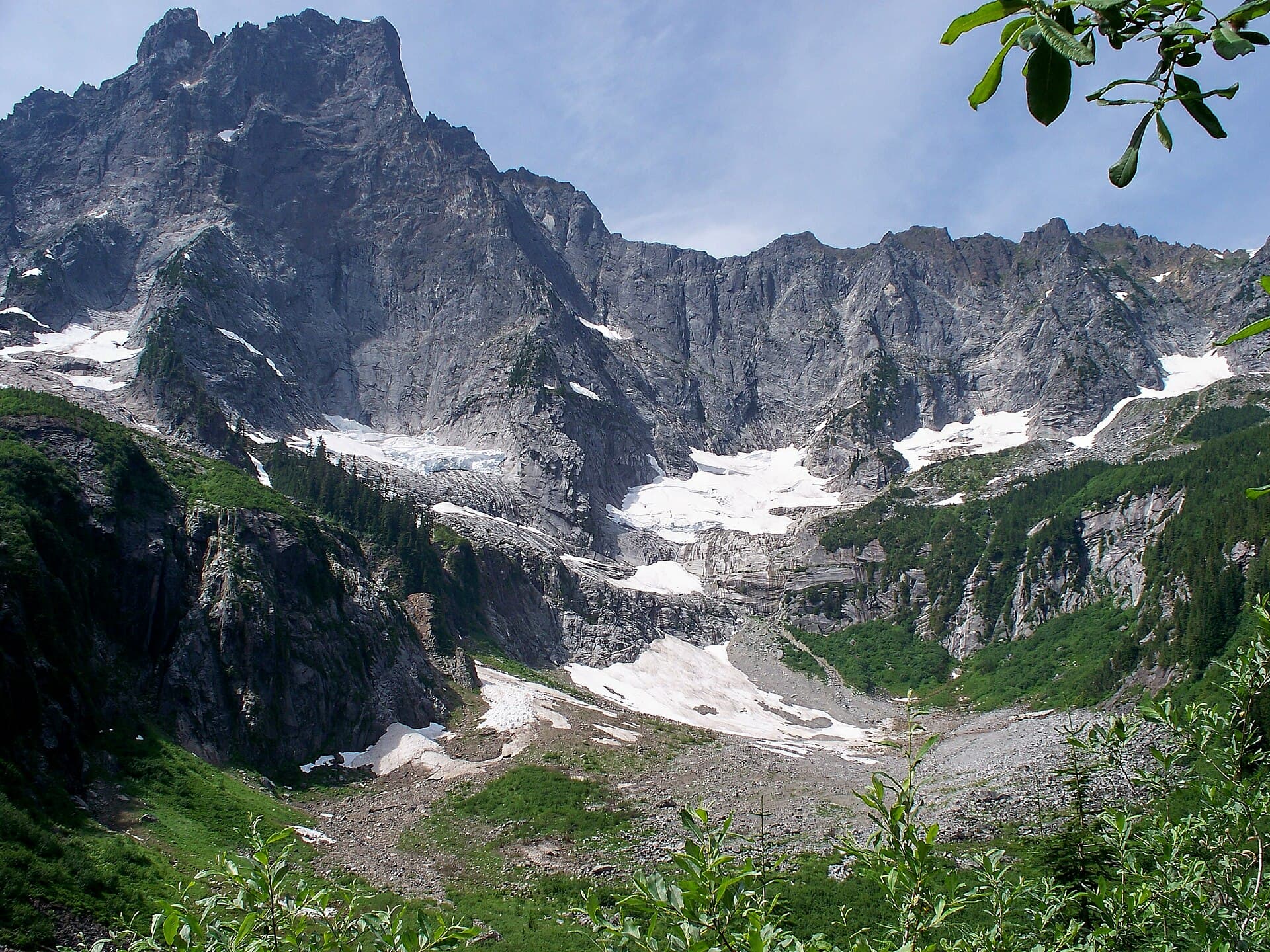
Tackle steep trails and sweeping views on this iconic mountain near Chilliwack.
Slesse Mountain rises sharply in the North Cascades of British Columbia, its granite faces and serrated ridges drawing hikers and climbers seeking serious elevation gain and alpine scenery. The peak offers unobstructed panoramas of the Chilliwack River Valley, surrounding summits, and on clear days even Mount Baker across the border. Its remote setting within a provincial park area preserves a wild character that rewards preparation and fitness.
Access begins from Chilliwack, roughly 120 kilometres east of Vancouver via Highway 1. Continue south on the Chilliwack Lake Forest Service Road, then branch onto the Slesse Creek road system. High-clearance vehicles are strongly recommended for the final unpaved stretches, which can be rough and narrow. Parking is available at trailheads that serve both day hikers and overnight parties. From the trailhead the route climbs steadily through old-growth forest before breaking into subalpine meadows and eventually rocky terrain near the summit ridge.
Late July through early October provides the most reliable window for snow-free hiking. Snow lingers on north-facing slopes well into summer, while autumn brings clearer air and fewer bugs. Spring and early summer can deliver impressive wildflowers but also lingering avalanche risk on steeper sections. Winter visits are reserved for experienced mountaineers equipped with skis or snowshoes and full avalanche training.
The primary route follows an old trail that gains more than 1,500 metres over roughly 8 kilometres one way. Expect boulder fields, loose scree, and occasional exposure near the top; many parties turn around at the first prominent viewpoint rather than attempting the final scramble. Carry trekking poles, plenty of water, and layers for rapid weather changes.
Technical climbers target the north face and east buttress, routes that require rock protection and route-finding skills. Always consult current guidebooks and local climbing forums before attempting these lines.
Golden-hour light on the granite walls and distant icefields creates memorable images. Watch for black bears in the lower forests and mountain goats higher up; maintain a respectful distance and secure all food.
Combine a visit with Chilliwack Lake Provincial Park for lakeside camping and paddling, or drive farther east to the Skagit Valley for additional trails and hot springs. The town of Chilliwack itself supplies groceries, fuel, and last-minute gear.
Keep reading
A rewarding backcountry trek leads to glacial waters and sweeping mountain views in British Columbia’s Coast Range.
The route is strenuous, involving significant elevation gain, loose rock, and some exposure. It suits experienced hikers comfortable with off-trail travel; beginners should consider shorter viewpoint hikes instead.
No day-use permit is required, but overnight camping in the surrounding provincial park areas follows standard backcountry regulations and may need registration at trailhead kiosks.
Only the lower forest section is appropriate for children; the upper mountain demands route-finding and scrambling that most families should avoid.
Black bears frequent the valley bottom, while mountain goats and marmots are common near the summit ridge. Proper food storage and bear-aware practices are essential.
Small campsites exist in the meadows below the final ridge, but water is scarce late in the season and sites are exposed to weather and wind.
This serene lake in British Columbia’s Rockies delivers quiet paddling, trout fishing, and easy access to dramatic peaks…
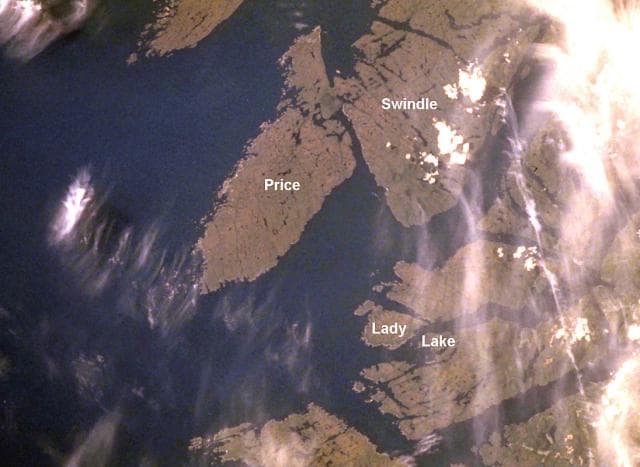
Discover pristine rainforest, marine wildlife, and quiet anchorages on this secluded island in the Inside Passage.