Keep reading
Nearby & related
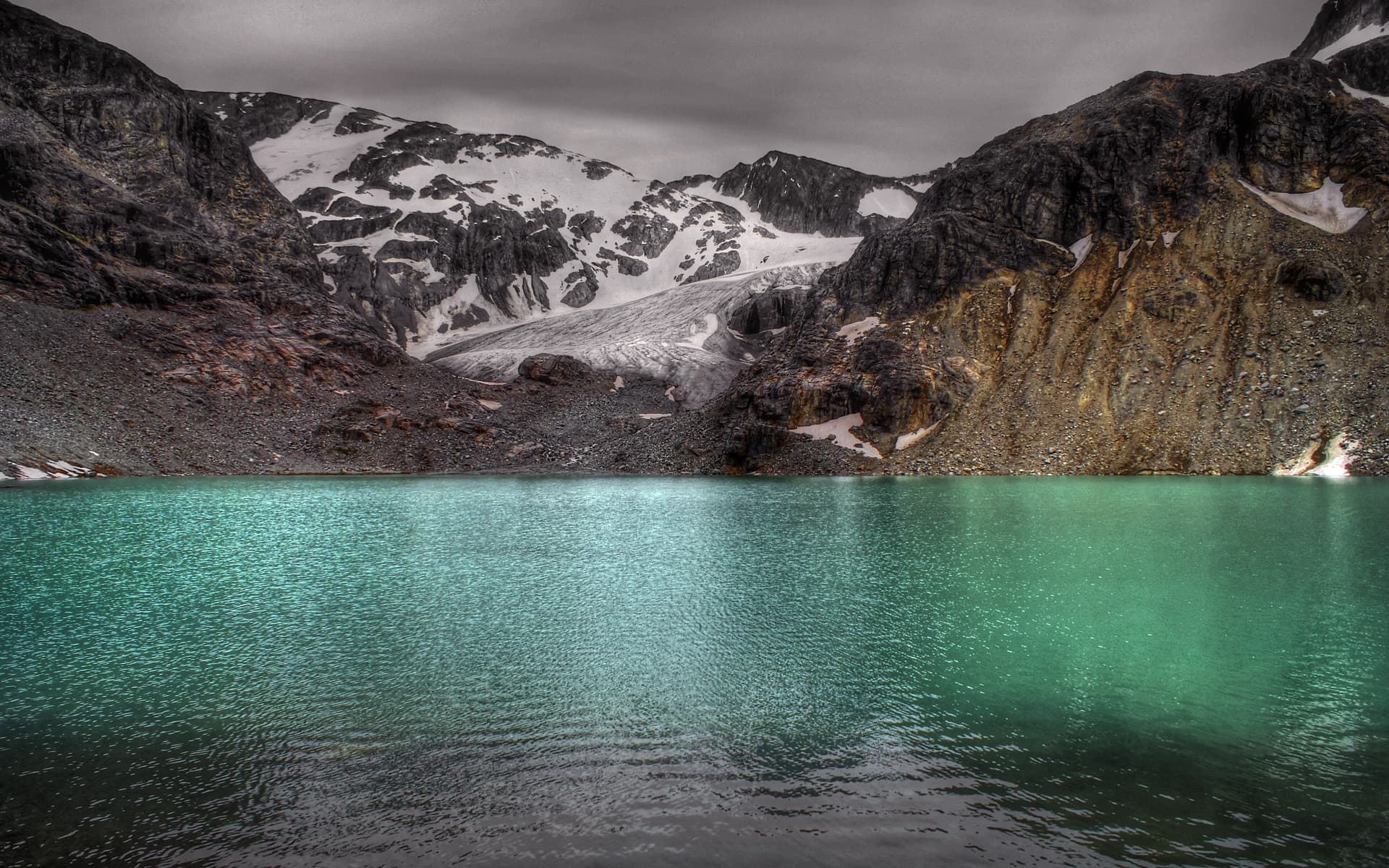
Wedgemount Lake: Hiking to a Turquoise Alpine Gem Near Whistler
A rewarding backcountry trek leads to glacial waters and sweeping mountain views in British Columbia’s Coast Range.
8 August 2026
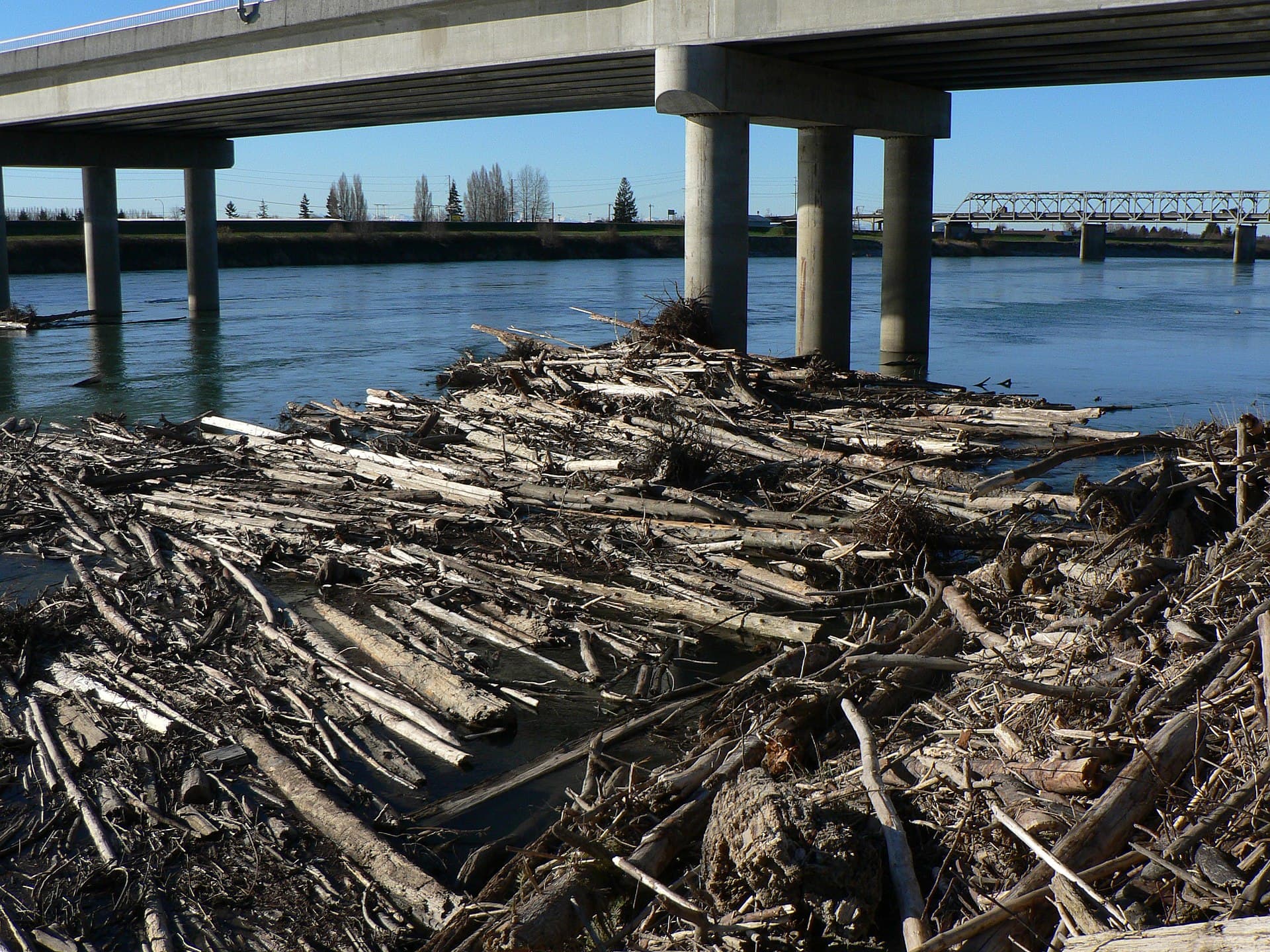
The Skagit River offers world-class angling, remote trails and dramatic mountain scenery just east of Vancouver.
The Skagit River begins in the Cascade Mountains of British Columbia and flows southward into Washington State, carving a wide valley of old-growth forest, gravel bars and clear side streams. In Canada the river remains relatively untouched, protected within Skagit Valley Provincial Park and the surrounding Chilliwack and Hope backcountry. Visitors come for steelhead and salmon fishing, multi-day hikes, and quiet paddling that feels far removed from the busy Fraser Valley.
The river is legendary among steelhead anglers for its wild winter-run fish and strong summer runs of chinook and coho. Productive stretches lie between the mouth of the Sumallo River and the international border; anglers also target resident rainbow trout in the upper reaches. Always verify current regulations with the provincial angling guide before heading out.
Well-maintained trails start from the Skagit River Trailhead and climb through cedar-hemlock forest to viewpoints on Silvertip Mountain and the Hope Lookout. Longer options include the 20-kilometre Centennial Trail segment that follows the river toward Manning Provincial Park. Wildlife sightings—black bear, Roosevelt elk and bald eagle—are common along the valley floor.
From spring through early fall, the Skagit offers Class II–III whitewater suitable for experienced kayakers and guided raft trips. Put-ins near the Hope Bridge provide access to continuous moving water; lower sections flatten into scenic flatwater ideal for canoes and stand-up paddleboards.
From Vancouver, drive east on Highway 1 for roughly 150 kilometres to Hope, then follow Highway 3 east for 30 kilometres to the Skagit Valley Road turnoff. The final 25 kilometres are gravel; high-clearance vehicles are recommended after heavy rain. There is no public transit; travellers without cars can arrange shuttle services from Hope outfitters.
June through September brings the most reliable weather for hiking and paddling. Steelhead fishing peaks from late winter into spring and again in fall when salmon return. Snow can close valley roads from November to April; check avalanche and road reports before travel.
Combine a Skagit trip with Manning Provincial Park for alpine meadows and the Lightning Lake canoe circuit, or continue west to the historic town of Hope and the Fraser River for additional angling options. The Skagit–Fraser divide also offers excellent backcountry camping at remote sites such as the 26 Mile Bridge area.
Keep reading
A rewarding backcountry trek leads to glacial waters and sweeping mountain views in British Columbia’s Coast Range.
Yes, a valid British Columbia freshwater fishing licence is required; some sections also fall under additional conservation restrictions.
Skagit Valley Provincial Park maintains several vehicle-accessible campgrounds and a handful of backcountry sites reachable only by foot or paddle.
There is no legal border crossing along the river; travellers must return to Highway 3 and use an official port of entry.
Upper sections contain Class IIu2013III rapids that require prior whitewater experience; guided trips are available for novices on the lower river.
Black bears, Roosevelt elk, bald eagles and spawning salmon are the most commonly observed species, especially in late summer and fall.
This serene lake in British Columbia’s Rockies delivers quiet paddling, trout fishing, and easy access to dramatic peaks…
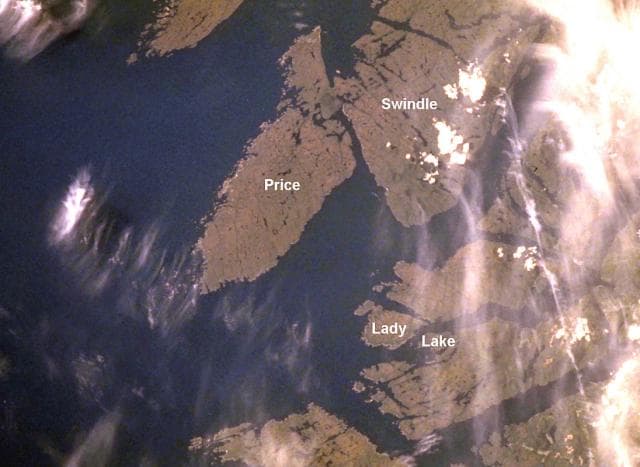
Discover pristine rainforest, marine wildlife, and quiet anchorages on this secluded island in the Inside Passage.