Why Visit the Simón Bolívar Monument
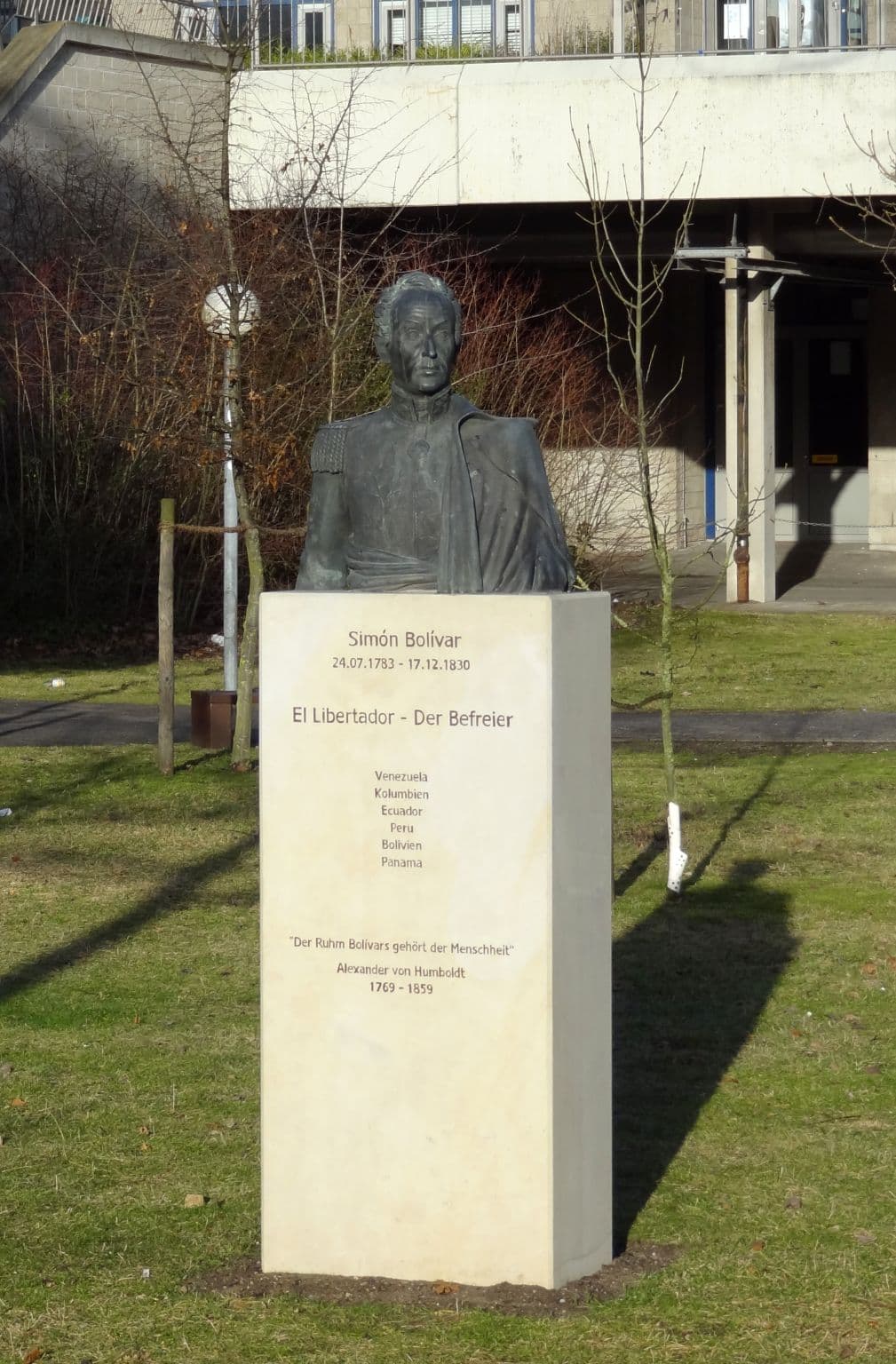
The Simón Bolívar Monument stands as a distinctive outdoor sculpture honoring the Venezuelan liberator who played a central role in South American independence movements. Positioned in a green space in Bremen, it offers visitors a quiet spot to reflect on international history amid the city’s mix of Hanseatic architecture and modern parks. The monument’s presence highlights Bremen’s longstanding connections to global trade and cultural exchange, making it a meaningful stop for those interested in history beyond the region’s typical maritime focus.
History and Significance
Erected to commemorate Bolívar’s legacy, the monument serves as a bridge between Bremen and Latin America. It was installed as part of efforts to strengthen cultural ties, featuring a dignified representation of the leader that invites contemplation rather than spectacle. Unlike Bremen’s more famous central landmarks, this site rewards unhurried visits and provides context on how German cities have engaged with world figures through public art.
What to See and Do
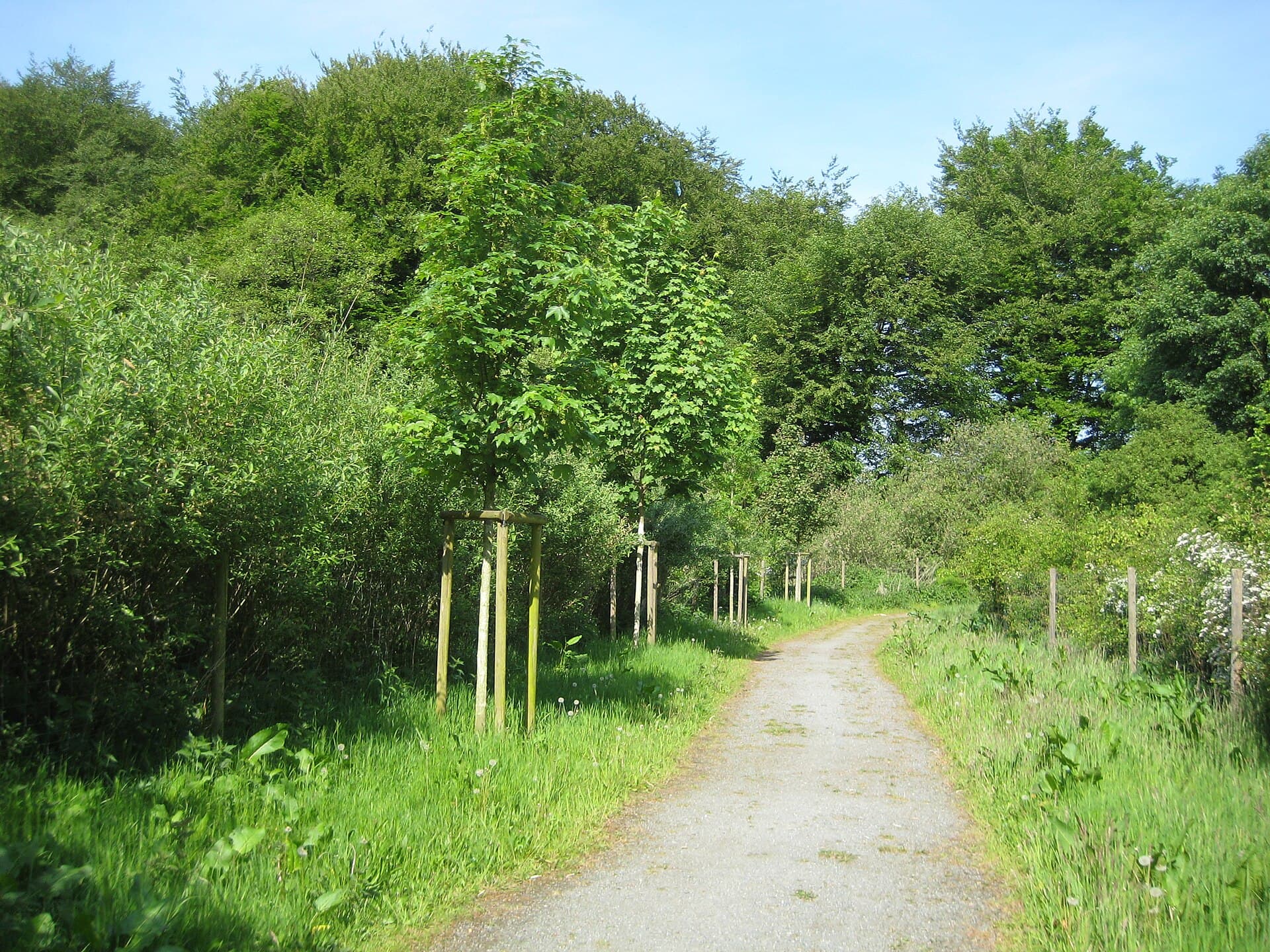
Walk around the monument to appreciate its scale and placement within surrounding greenery. The site works well as part of a longer stroll through the park, where benches allow for reading about Bolívar’s campaigns or simply enjoying the setting. Photographers will find interesting angles combining the sculpture with seasonal foliage and distant urban views. Combine the visit with nearby paths that lead toward the Weser River for a broader sense of Bremen’s layout.
How to Get There
The monument sits at coordinates 53.1070513, 8.8552965, reachable via Bremen’s efficient tram and bus network. From the main railway station, several lines serve stops within easy walking distance; the journey typically takes 15 to 25 minutes depending on connections. Cyclists can use the city’s extensive bike paths, and drivers will find limited street parking nearby. The location suits both planned visits and spontaneous detours during city exploration.
Best Time to Visit
Spring through early autumn provides the most comfortable conditions for outdoor viewing, with longer daylight and pleasant temperatures for walking. Winter visits remain possible but may involve colder, wetter weather that shortens comfortable time on site. Early mornings or late afternoons offer softer light and fewer interruptions from local park users.
Nearby Attractions
- Bremen’s historic city center with its market square and Roland statue, reachable by public transport in under 30 minutes.
- The Weser River promenades, ideal for extending a walk after viewing the monument.
- University district green spaces that offer additional context on Bremen’s academic and cultural life.