Why Sierra del Escudo Rewards Visitors
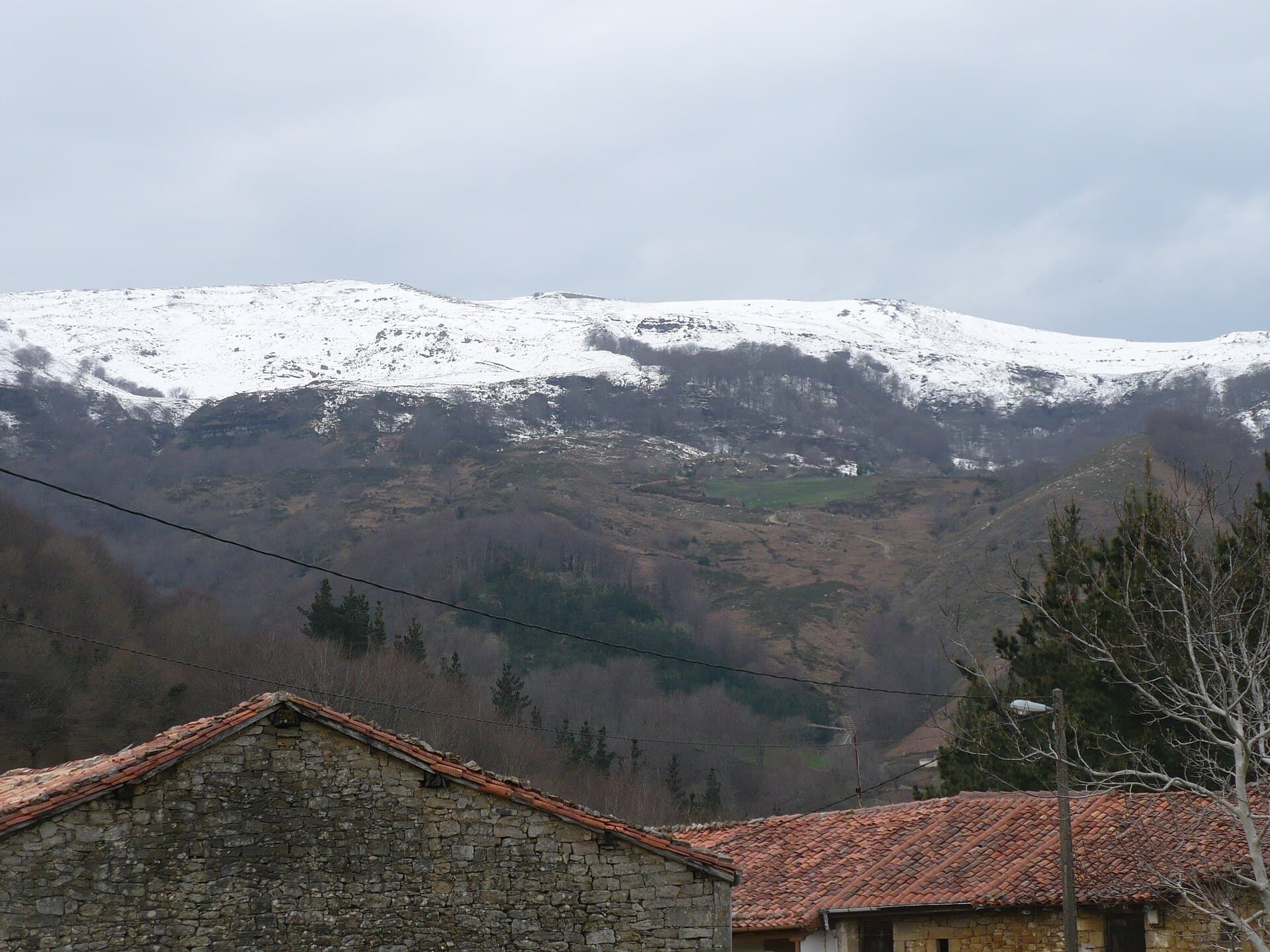
Sierra del Escudo forms a long, rugged barrier in western Cantabria, separating the coastal valleys from the high meseta of Castile. Its limestone ridges, deep gorges, and mixed beech and oak woodlands create a compact wilderness that feels remote yet remains accessible by car. The area is protected for its karst formations, endemic flora, and role as a corridor for large mammals such as roe deer and golden eagles.
Things to See and Do
Hiking and Viewpoints
Marked trails start from the Puerto del Escudo pass itself. The ridge walk east toward Peña Cabarga offers sweeping views over the Ebro reservoirs on clear days. Shorter loops through beech forest lead to seasonal springs and small caves. Bring binoculars for raptors and vultures that soar above the cliffs.
Geology and Villages
Exposed rock layers reveal millions of years of tectonic history. Nearby hamlets such as Matamorosa and Campoo de Yuso preserve traditional stone architecture and allow visitors to sample local cheeses and honey produced on the mountain slopes.
Wildlife Watching
Early morning or late afternoon visits increase chances of spotting chamois on higher slopes and hearing the rutting calls of deer in autumn. The protected status limits vehicle access on many tracks, preserving quiet habitat.
Getting There
The main N-623 road crosses the Puerto del Escudo pass between Reinosa and Aguilar de Campoo. From Santander, allow roughly 90 minutes by car. Buses reach Reinosa, after which a local taxi or arranged transfer is needed for trailheads. Parking is available at the pass and at several forest entrances.
Best Time to Visit
Late spring through early autumn provides the most reliable weather for hiking. Snow can linger on north-facing slopes into May, while summer brings lush vegetation but occasional thunderstorms. Autumn colors in the beech woods are spectacular, and winter visits are best limited to the paved pass road for photography.
Nearby Attractions
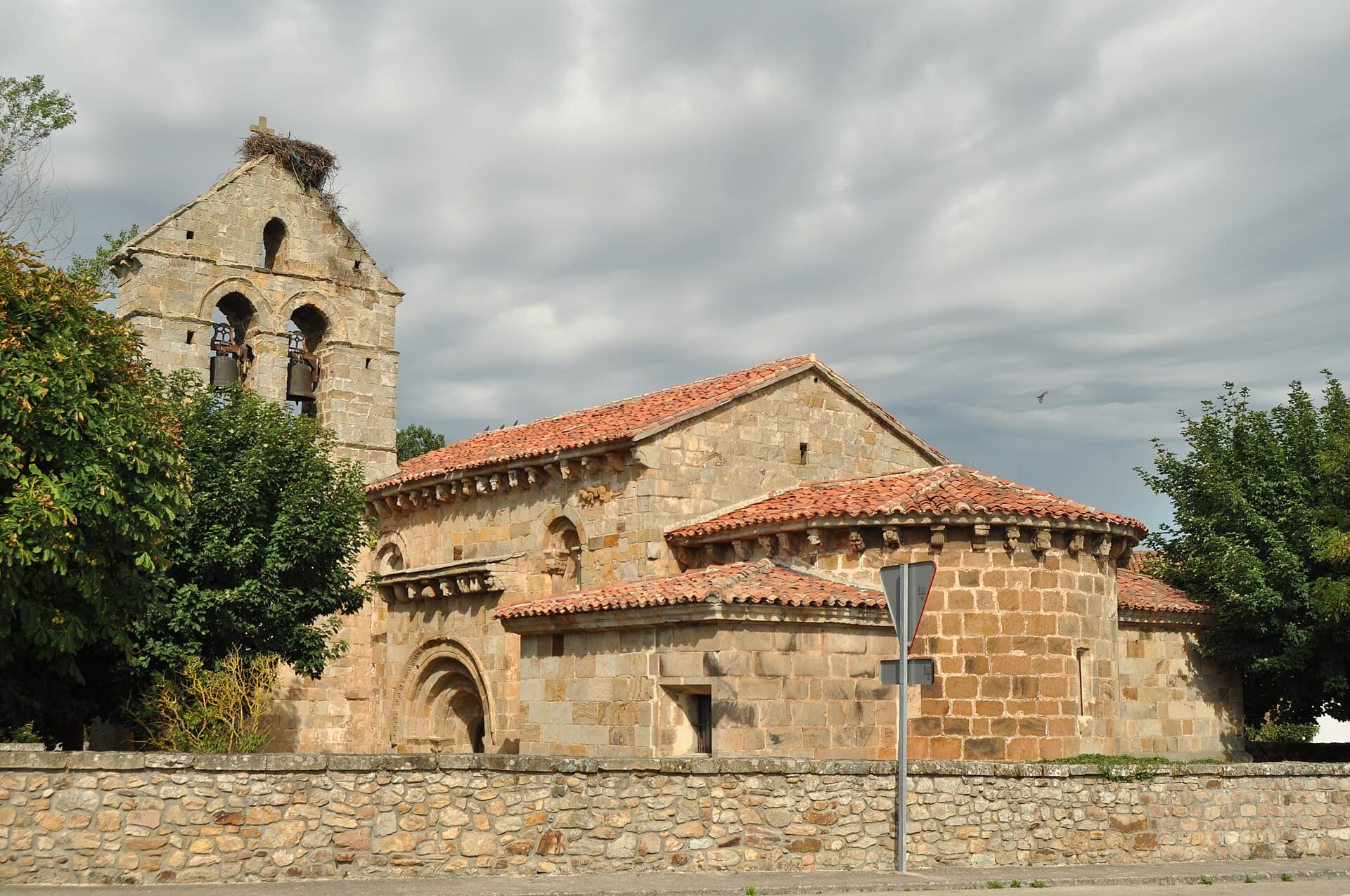
Combine a visit with the Cabárceno Natural Park to the north or the Romanesque monasteries around Aguilar de Campoo. The Ebro reservoir system offers boating and fishing opportunities just south of the range.