
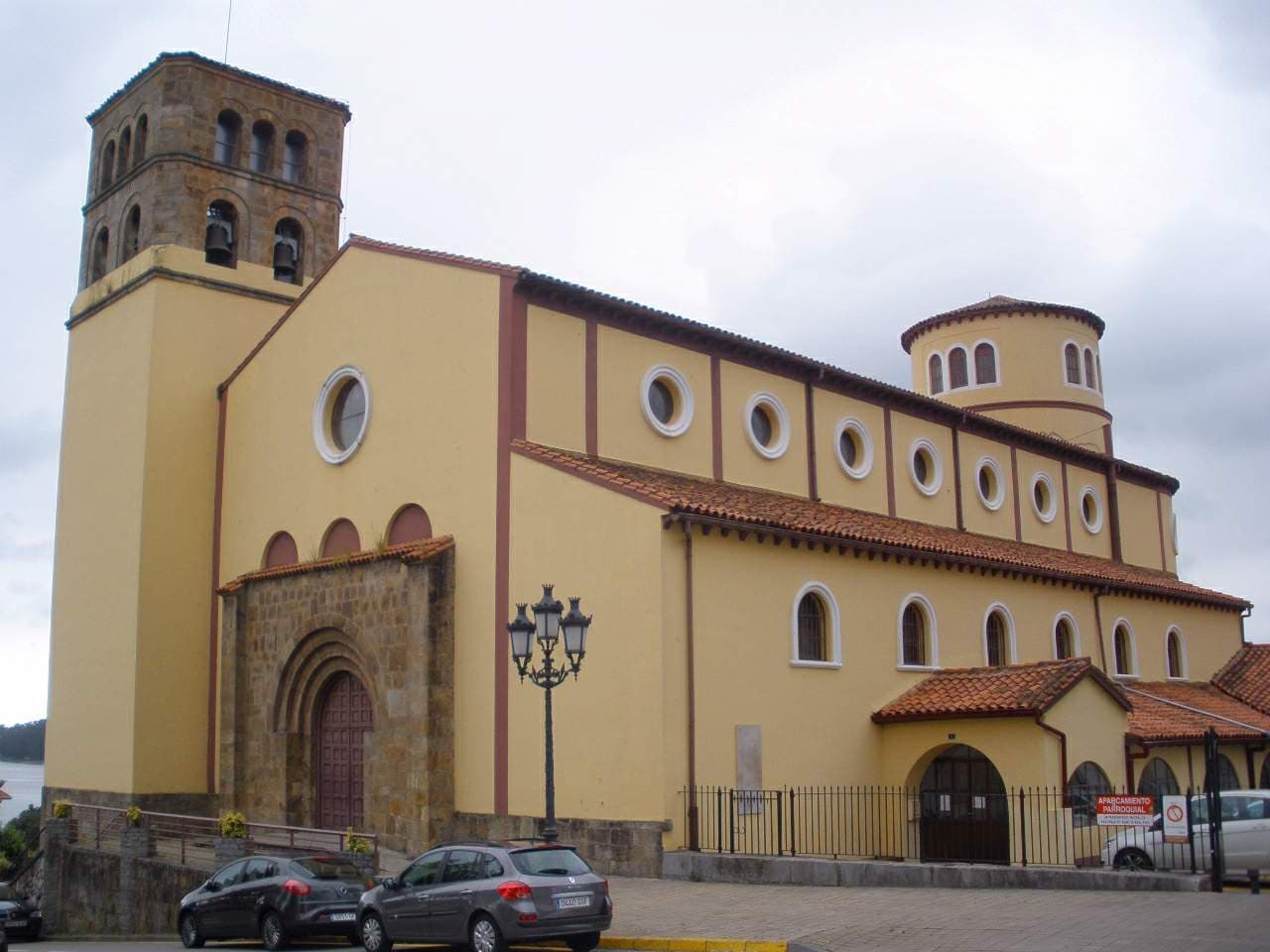
Church of San José, El Astillero: Cantabria’s Quiet Maritime Landmark
Explore the historic Church of San José in El Astillero, a shipbuilding town whose architecture reflects centuries of seafaring life.
History and Significance
The Church of San José stands at the heart of El Astillero, a town whose identity has long been tied to shipbuilding along the Ría de Astillero. Built to serve the growing maritime community, the church records the region’s transition from small fishing settlements to an industrial port. Its presence anchors the town’s main square and continues to mark local festivals and processions that celebrate both religious and seafaring traditions.
Architecture and Interior
The building follows a restrained neoclassical design typical of 18th- and 19th-century Cantabrian churches. A simple stone façade leads to a single nave lit by tall windows. Inside, visitors notice the wooden altarpiece dedicated to Saint Joseph, local votive offerings shaped like ships, and a modest organ loft. The side chapels hold smaller altars honoring seafarer saints, reflecting the parish’s enduring connection to the sea.
Visiting the Church
Entry is free and open to respectful visitors outside of scheduled services. The compact interior rewards a slow walk along the nave, allowing time to study the carved details and maritime-themed ex-votos. Photographers find soft natural light in the late morning; the square outside offers clear views of the façade against the estuary backdrop.
Getting There
El Astillero lies roughly 10 km south of Santander. Regional trains stop at the town’s station, a short walk from the church. Drivers can follow the N-634 or the S-10 motorway and park in the free public lot beside the square. From the station or parking area, the church is reached on foot in under five minutes.
Nearby Attractions
After visiting, walk along the estuary promenade to see restored shipyards and the small maritime museum. Beaches at Soto de la Marina and the larger sands of Liencres lie within a 15-minute drive. The historic center of Santander, with its cathedral and waterfront, is easily reached by the same train line that serves El Astillero.
Best Time to Visit
Spring and early autumn bring mild weather ideal for combining the church visit with a stroll along the ría. Summer weekends can coincide with local festivals when the square fills with music and processions. Winter visits are quieter but may be affected by occasional coastal storms.
Visitor tips
- Combine the visit with a walk along the estuary path to see the shipyard cranes that still define the townu2019s skyline.
- Check the posted schedule outside the main door before entering so you avoid interrupting masses or weddings.
- Wear comfortable shoes; the surrounding cobblestone square and adjacent pedestrian streets reward further exploration on foot.
Frequently asked questions
Is the Church of San Josu00e9 open every day?
The church welcomes visitors most days outside of services, though access may be limited during private ceremonies; the posted timetable on the door provides current information.
Are photographs allowed inside?
Non-flash photography for personal use is generally permitted, but visitors should avoid photographing during services or when signs request otherwise.
What architectural style is the church?
The building shows a restrained neoclassical style with a single nave, stone fau00e7ade, and a wooden altarpiece that incorporates local maritime motifs.
Is there parking nearby?
A public lot sits directly beside the square, and street parking is available on surrounding roads; the train station is also within easy walking distance.
Can I combine a visit with other sights in Cantabria?
Yes; the church lies on the rail line to Santander and near coastal beaches and the Liencres dunes, making it a convenient stop on a day trip from the regional capital.