
Keep reading
Nearby & related
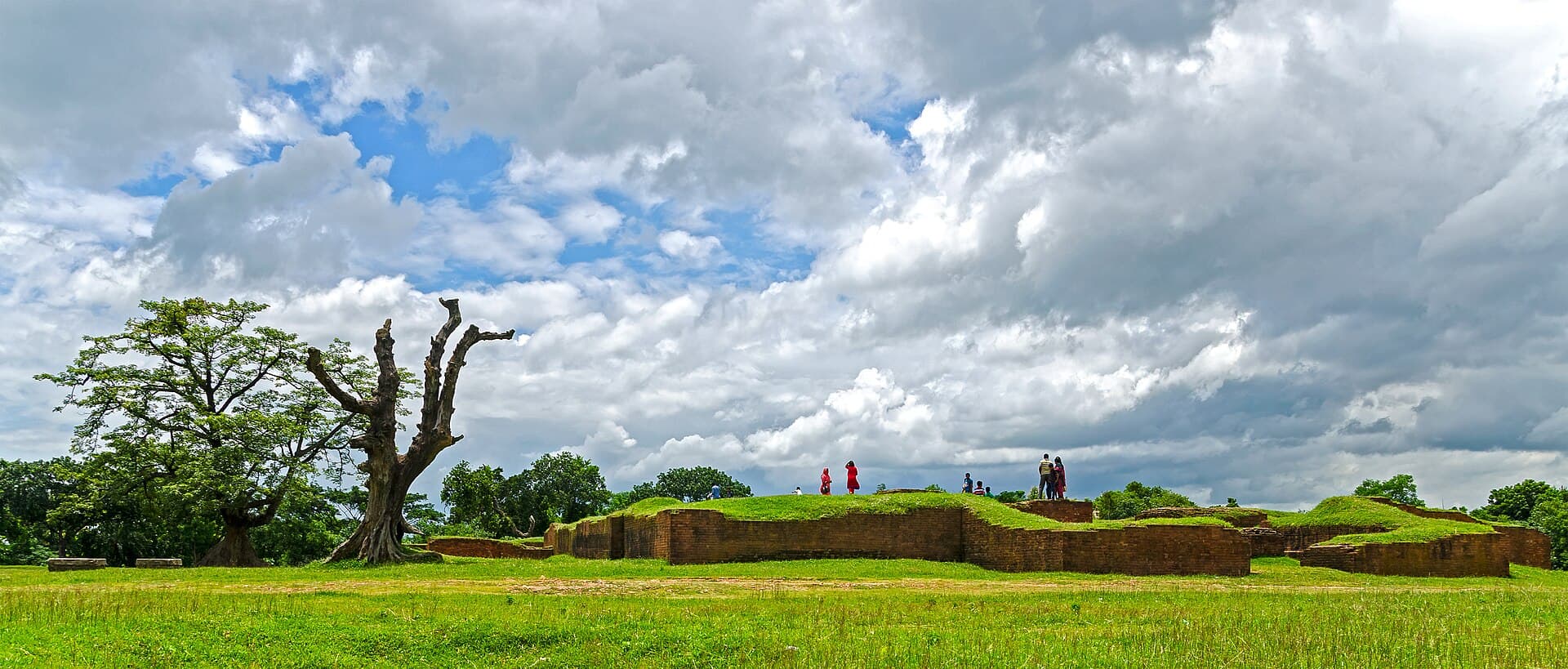
Mainamati Archaeological Site: Unearthing Ancient Buddhist Heritage in Bangladesh
Explore the terracotta-adorned ruins and monastic complexes of Mainamati, a major center of early medieval Buddhism in…
23 September 2026
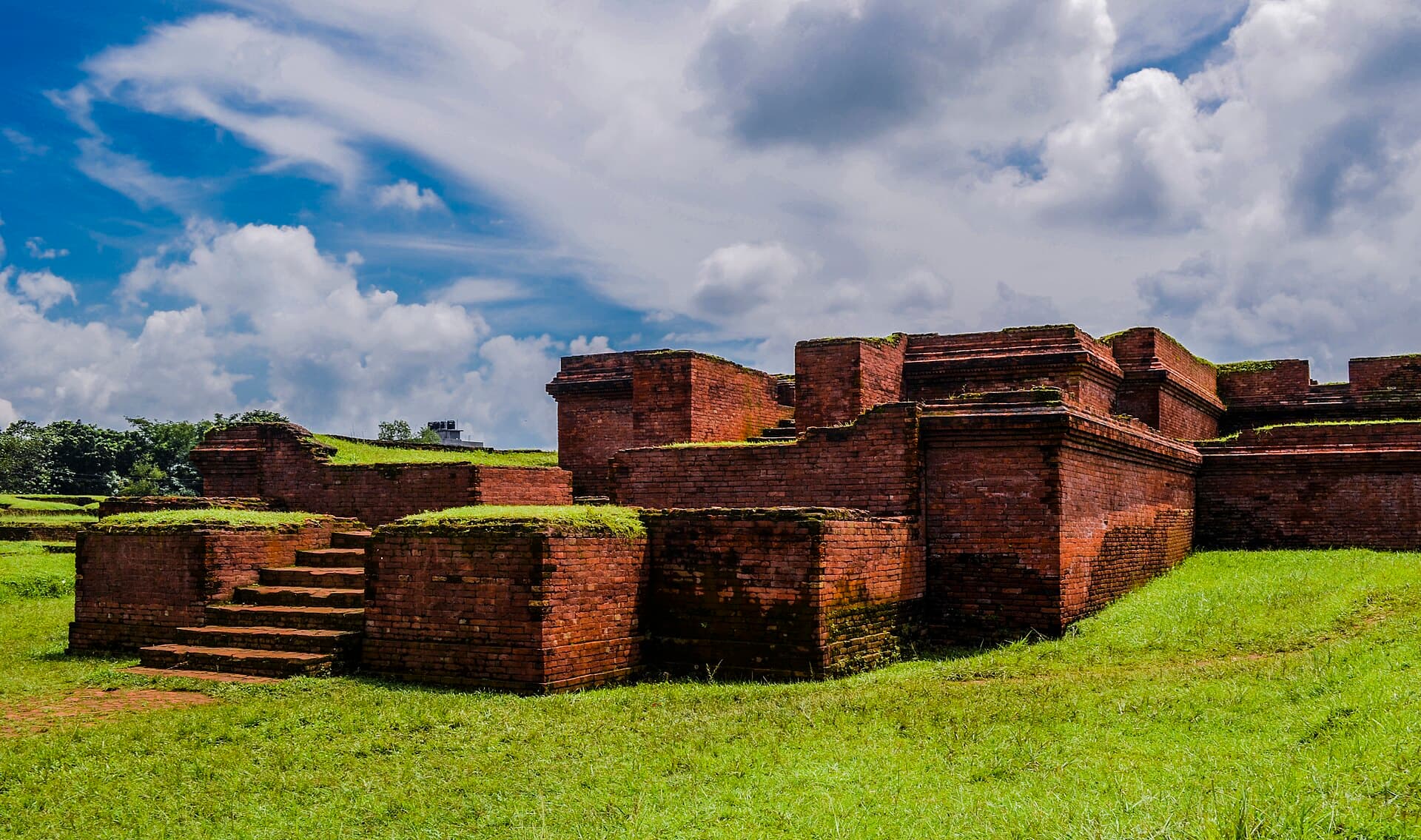
Wander the terracotta-lined quadrangle of this 7th-century monastery, a key window into early Buddhist life in southeastern Bangladesh.
Shalban Vihara stands as one of Bangladesh’s most intact early medieval Buddhist monasteries, built on the western flank of the Lalmai-Mainamati ridge. Its name comes from the shal trees that once shaded the site. The monastery reveals daily monastic routines through rows of brick cells, a central cruciform shrine, and hundreds of surviving terracotta plaques that depict musicians, dancers, and mythical creatures.
Visitors enter through the eastern gateway and walk a brick-paved corridor that circles the central courtyard. The main shrine rises in the middle with projecting arms that once held seated Buddha images. Along the outer walls, look closely at the plaques still set in their original positions; many show processions and floral motifs unique to the region. A small votive stupa sits in the northwest corner, its base decorated with miniature niches.
Excavations uncovered copper-plate inscriptions, bronze images, and hundreds of clay seals that confirm the site’s use from the 7th to 12th centuries. Most artifacts are now displayed at the nearby Mainamati Museum, which provides essential context before or after walking the ruins.
From Dhaka, take a train or intercity bus to Cumilla, then hire a local auto-rickshaw or CNG for the 8 km ride west to the Mainamati archaeological area. The site lies just off the Dhaka-Chittagong highway, making it easy to combine with a longer journey south.
November through February offers the driest weather and clearest skies for photography. Monsoon months bring heavy rain that can flood low-lying sections of the brick paths.
Within a short walk or short ride are Rupban Mura, Itakhola Mura, and the Mainamati Museum. Further south along the ridge lie additional mounds still being studied, giving a sense of the wider monastic landscape that once stretched across the hills.
Most visitors spend 60 to 90 minutes walking the monastery and reading the on-site signs; add another hour if you also visit the museum.
Yes, the flat courtyard and low walls make it easy to explore, though there are no railings around some excavated areas.
Photography is allowed throughout the open ruins; tripods are usually permitted but ask staff if any conservation work is underway.
Small roadside tea stalls and snack shops line the approach road; for proper meals, return to Cumilla town.
The main paths are level brick but contain small steps and gaps; visitors with limited mobility may need assistance for the full circuit.
Keep reading
Explore the terracotta-adorned ruins and monastic complexes of Mainamati, a major center of early medieval Buddhism in…