
Keep reading
Nearby & related
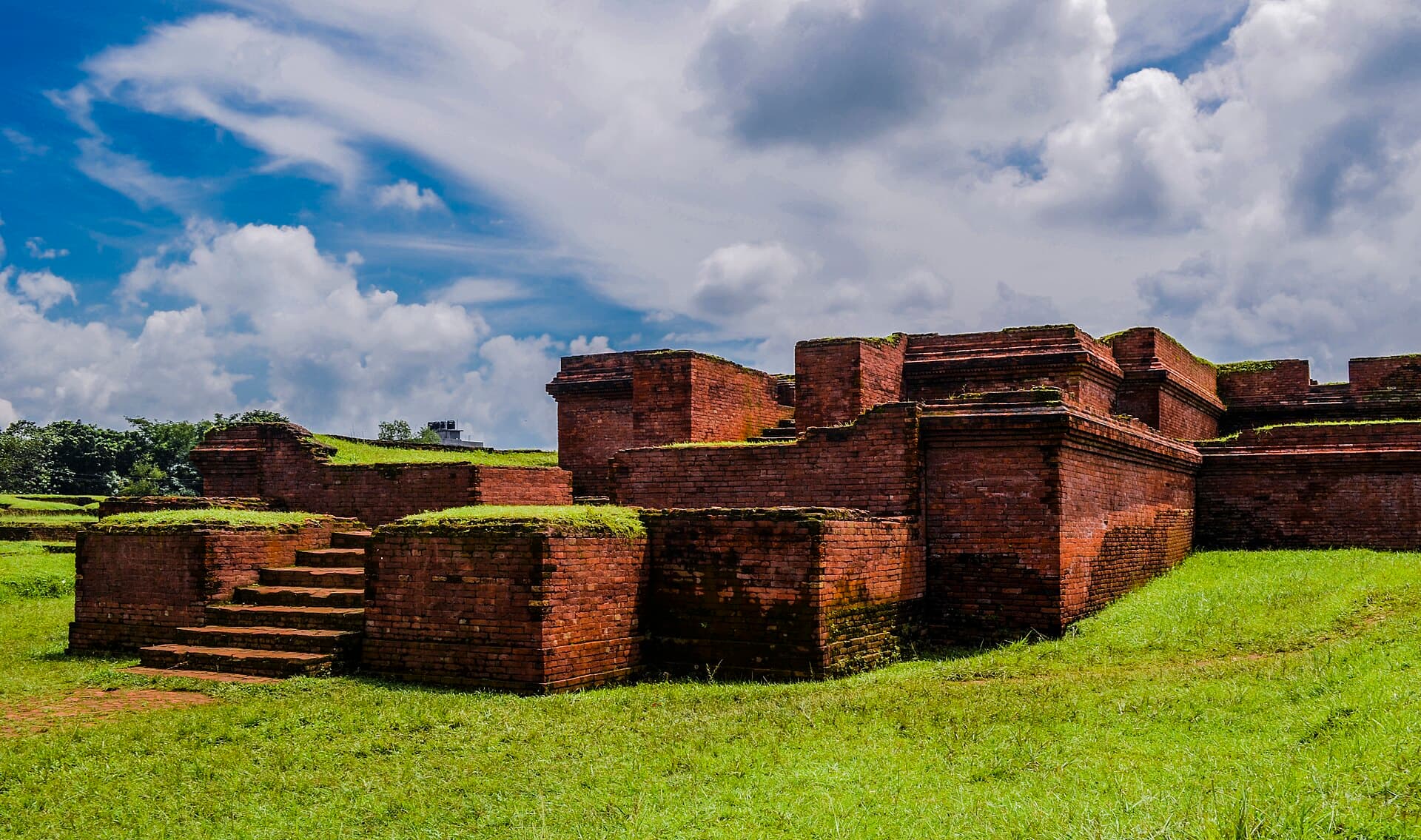
Shalban Vihara: Ancient Buddhist Ruins in Cumilla’s Mainamati Hills
Wander the terracotta-lined quadrangle of this 7th-century monastery, a key window into early Buddhist life in…
24 September 2026
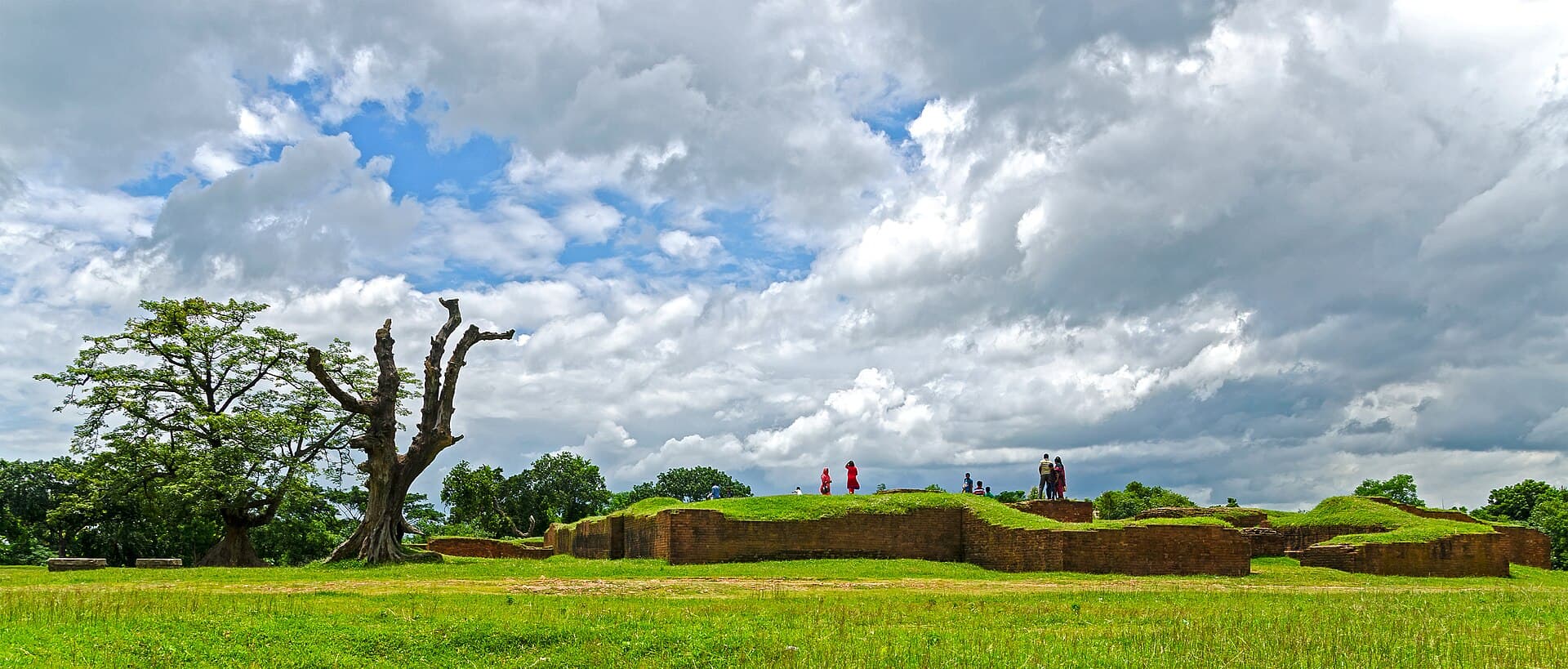
Explore the terracotta-adorned ruins and monastic complexes of Mainamati, a major center of early medieval Buddhism in the Cumilla hills.
Mainamati preserves one of South Asia’s most extensive Buddhist archaeological landscapes, stretching along the low Lalmai-Mainamati ridge. Between the eighth and twelfth centuries this area hosted dozens of monasteries, stupas and shrines that formed a vital link in the Buddhist world connecting eastern India with Southeast Asia. The brick-and-terracotta remains still visible today reveal sophisticated water management, elegant sculptural art and the daily life of monastic communities that once numbered in the thousands.
The Shalban Vihara stands as the most complete complex, its central temple surrounded by 115 monastic cells arranged around a courtyard. Walk the raised brick paths to see the still-intact drainage channels and the small museum housing bronze images, inscribed seals and everyday pottery recovered from the site. A short distance south, the Kotila Mura complex displays three closely spaced stupas that once held relics; their terracotta plaques depict scenes from the Jataka tales. Further along the ridge, the Charpatra Mura and Rupban Mura mounds offer quieter exploration with fewer visitors and sweeping views across the surrounding paddy fields.
Most travelers reach Mainamati from Cumilla town, a 20-minute drive northwest along the Dhaka-Chittagong highway. From Dhaka, intercity buses and trains arrive in Cumilla throughout the day; local auto-rickshaws or hired cars then cover the final stretch to the archaeological zone. Inside the protected area, walking trails connect the main mounds, though distances between sites can exceed two kilometres, so allow a full morning or afternoon for unhurried exploration.
The cool, dry months from November through February bring comfortable temperatures and clear skies, ideal for walking the open brick ruins. The monsoon months of June to September transform the low-lying fields into a green sea but can make paths slippery and some structures harder to reach. Early mornings are especially rewarding, when soft light highlights the terracotta details and the site is largely free of day-trippers.
After touring the ruins, continue to the Lalmai hills for panoramic countryside views or head into Cumilla city to see the 150-year-old Shah Shuja Mosque and the local sweet shops famous for their ras malai. The nearby Comilla Cantonment Museum adds context on the region’s more recent history, while the scenic Dakshinachar Lake offers a peaceful picnic spot on the return journey.
Plan at least three hours on site to walk the main complexes comfortably, plus travel time from Cumilla town.
The terrain is mostly flat but involves walking on uneven brick surfaces; families with strollers or visitors with mobility concerns may find some areas challenging.
Mainamati lies roughly two hours southeast of Sonargaon, so a full-day itinerary combining both is feasible with private transport.
No permanent restaurants operate inside the protected zone; carry snacks or eat in Cumilla town before or after your visit.
Photography of the ruins is permitted, but tripods and flash are discouraged near fragile terracotta plaques; always follow on-site signage.
Keep reading
Wander the terracotta-lined quadrangle of this 7th-century monastery, a key window into early Buddhist life in…