Keep reading
Nearby & related
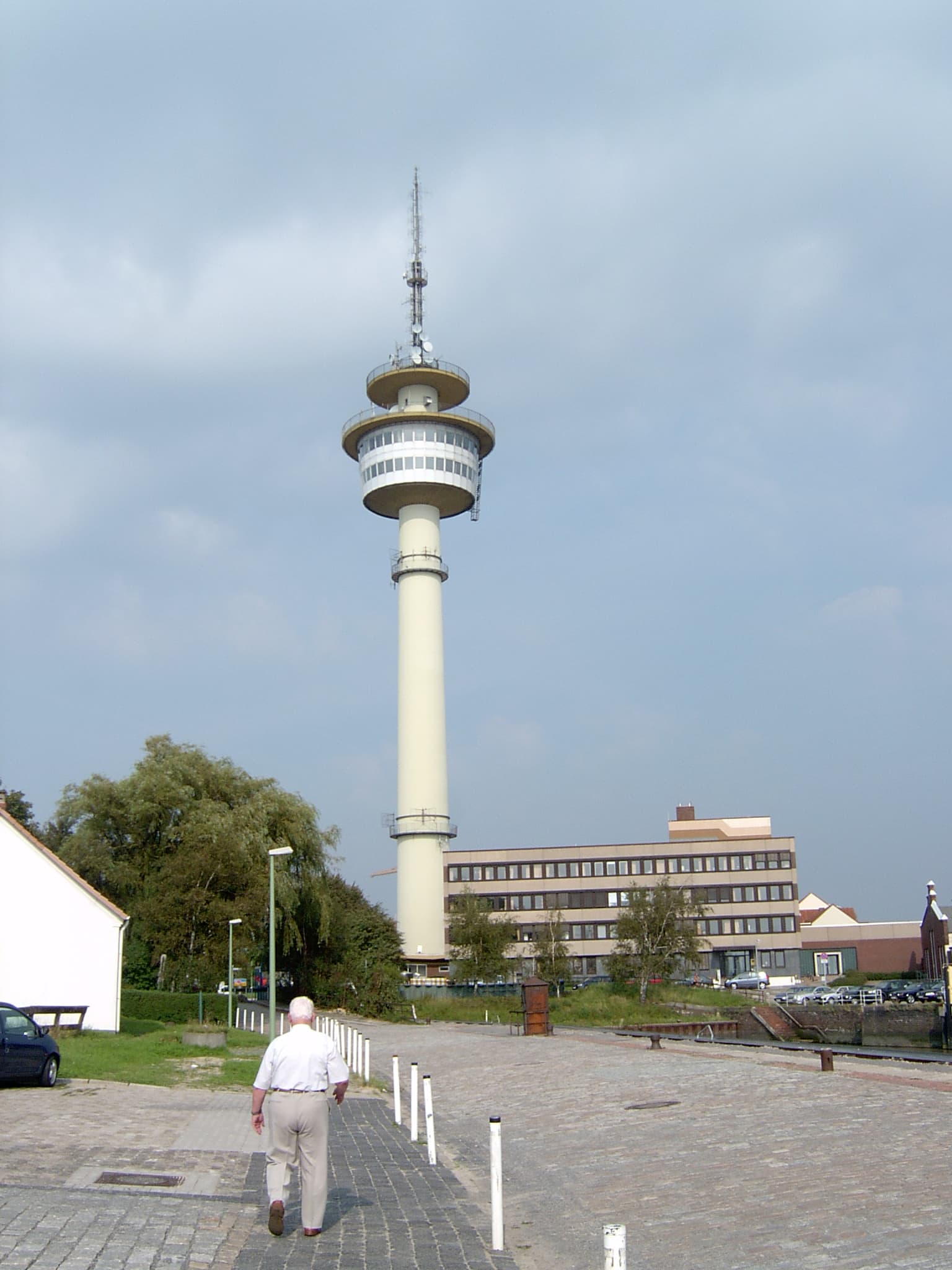
Bremerhaven Radar Tower: Panoramic Harbor Views in Germany’s Maritime Port
Climb this historic tower for sweeping vistas across Bremerhaven’s busy container terminals and the North Sea coast.
15 October 2026
Explore authentic classrooms, teaching tools, and local educational history preserved in this specialized Bremerhaven museum.
The Schulhistorische Sammlung Bremerhaven preserves the material culture of schooling in northern Germany across two centuries. Housed in a former school building, the museum displays original desks, blackboards, maps, and textbooks that trace changes in pedagogy from the late 1800s through the postwar period. Visitors gain insight into how education reflected broader social shifts in a port city shaped by migration, industry, and reconstruction.
Period rooms recreate a Wilhelmine-era classroom with iron-framed desks bolted to the floor, a teacher’s raised platform, and wall charts on geography and hygiene. A 1950s room shows lighter wooden furniture and educational posters promoting democratic values. These setups allow visitors to compare discipline, seating arrangements, and visual teaching aids across eras.
Glass cases hold slate boards, ink pots, reading primers printed in Fraktur, and arithmetic tools used in vocational training for harbor trades. Temporary displays often feature children’s exercise books recovered from local families, revealing handwriting styles and essay topics tied to Bremerhaven’s maritime identity.
The museum lies within easy reach of Bremerhaven’s central transport hub. Travelers arriving by train can continue on foot or by local bus toward the historic city quarter. Drivers will find street parking in surrounding residential blocks. Once inside, the compact layout means most visitors complete a thoughtful tour in under ninety minutes, though those interested in archival research can request access to the reference library of old curricula.
The collection remains open year-round and offers a calm indoor experience regardless of weather. Spring and autumn weekdays tend to be quietest, allowing unhurried examination of fragile paper items. Families often combine a morning visit with an afternoon at the nearby harbor promenade, where the same maritime themes seen in the textbooks come to life on the water.
After viewing the school history, stroll to the German Maritime Museum to contrast industrial heritage with educational history. The Zoo am Meer provides a change of pace for children, while the shopping streets of the city center offer cafés serving northern German specialties. A short ferry ride across the harbor adds context to the port-city stories documented in the museum’s textbooks.
Keep reading
Climb this historic tower for sweeping vistas across Bremerhaven’s busy container terminals and the North Sea coast.
Yes. The reconstructed classrooms and original objects make the collection especially engaging for students learning about 19th- and 20th-century German history.
Many object labels include English summaries, though the depth of information is greater in German. A short introductory leaflet in English is usually available at the entrance.
Non-flash photography is permitted in most areas for personal use; staff will indicate any restricted display cases containing light-sensitive documents.
The ground floor and one reconstructed classroom are accessible; upper levels require stairs, so visitors with limited mobility should inquire about a virtual tour option.
Many textbooks and exercise books on display reflect the cityu2019s maritime economy, showing lessons on navigation, shipbuilding trades, and the daily lives of children whose families worked on the docks.
Discover the tidal habitats, birdlife, and quiet trails of this Weser estuary nature reserve.
Explore relocated historic farmsteads, traditional crafts, and everyday village scenes at this open-air museum…