
Keep reading
Nearby & related
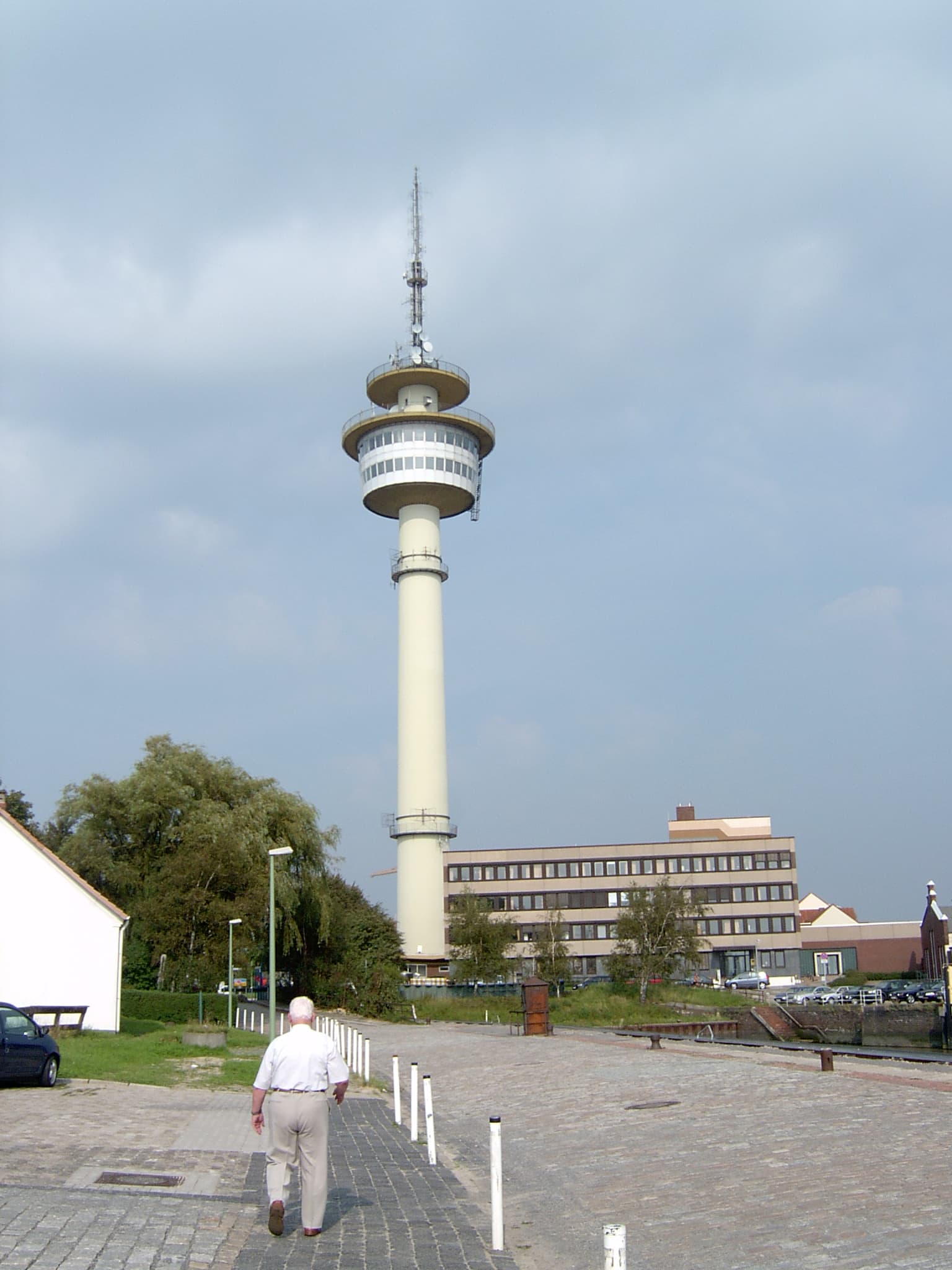
Bremerhaven Radar Tower: Panoramic Harbor Views in Germany’s Maritime Port
Climb this historic tower for sweeping vistas across Bremerhaven’s busy container terminals and the North Sea coast.
15 October 2026
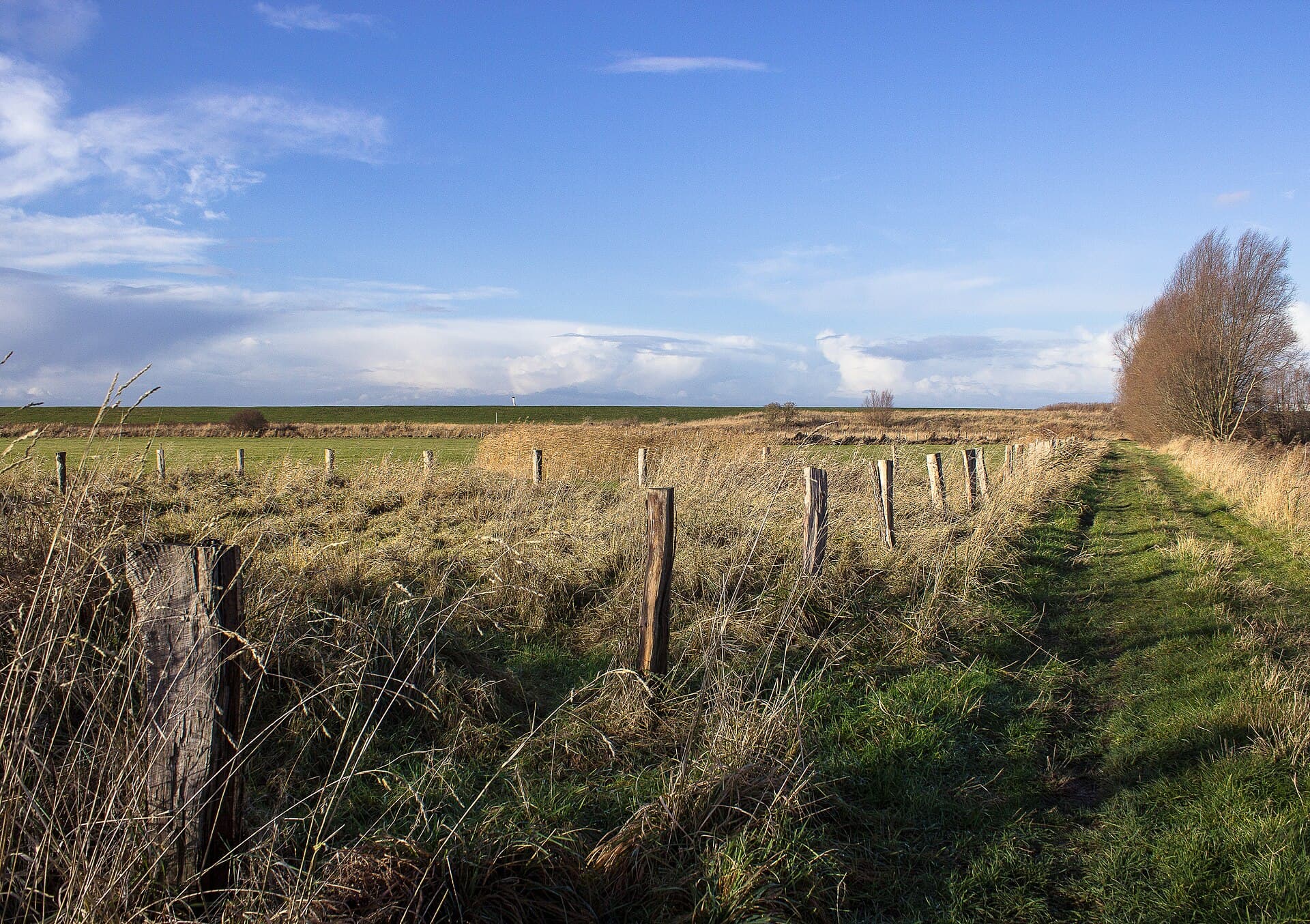
Discover the tidal habitats, birdlife, and quiet trails of this Weser estuary nature reserve.
Luneplate occupies a low-lying stretch of the lower Weser estuary where freshwater and saltwater mix, creating extensive mudflats and reed beds that support migratory birds and rare plants. Unlike busier Wadden Sea sites farther north, this reserve remains relatively uncrowded, offering visitors a chance to observe seals, waders, and raptors in a setting shaped by both river and tide.
Follow the network of dike-top paths that circle the main polder. These routes provide elevated views across the flats without disturbing ground-nesting species. Bring binoculars to scan for oystercatchers, avocets, and shelducks at low tide; at high water the same birds concentrate on the remaining islands. In spring and autumn, white-tailed eagles and marsh harriers patrol the reed beds. A short spur trail leads to an observation hide overlooking a former silt pond now restored as shallow water habitat. The area is strictly protected, so stay on marked paths and avoid the mudflats themselves.
Most visitors start from the Luneplate parking area west of Bremerhaven’s Fischereihafen district. From there a flat, 4 km loop follows the main dike. Cyclists can continue along the Weser dike toward the old harbor mole. Public transport reaches the nearby Fischereihafen stop; the final 1.5 km is a pleasant walk or cycle along the riverbank.
April through June brings peak breeding activity and the highest diversity of songbirds in the reeds. September and October offer the largest numbers of migrating geese and ducks. Winter visits reward those prepared for cold winds with close views of resting sea ducks and occasional seals hauled out on sandbanks. Summer months are quieter for birds but pleasant for plant enthusiasts spotting sea aster and saltmarsh grasses in bloom.
Combine a morning at Luneplate with an afternoon at the Bremerhaven Klimahaus or the German Maritime Museum, both reachable in under 20 minutes by car or bus. The historic fishing harbor with its fresh seafood stalls lies just east of the reserve and makes a convenient lunch stop.
Keep reading
Climb this historic tower for sweeping vistas across Bremerhaven’s busy container terminals and the North Sea coast.
The flat dike paths are easy for families, but there are no play areas or facilities; bring snacks and plan shorter loops with younger children.
Dogs are allowed only on a short lead along the main dike; they must stay on designated paths to protect ground-nesting birds.
No facilities exist within the reserve. The nearest toilets and refreshments are at the Fischereihafen harbor area a short walk or cycle away.
Both activities are prohibited to protect sensitive habitats and for visitor safety amid strong currents.
Most people spend two to three hours on the main loop; birdwatchers often stay longer, especially during migration peaks.
Explore authentic classrooms, teaching tools, and local educational history preserved in this specialized Bremerhaven…
Explore relocated historic farmsteads, traditional crafts, and everyday village scenes at this open-air museum…