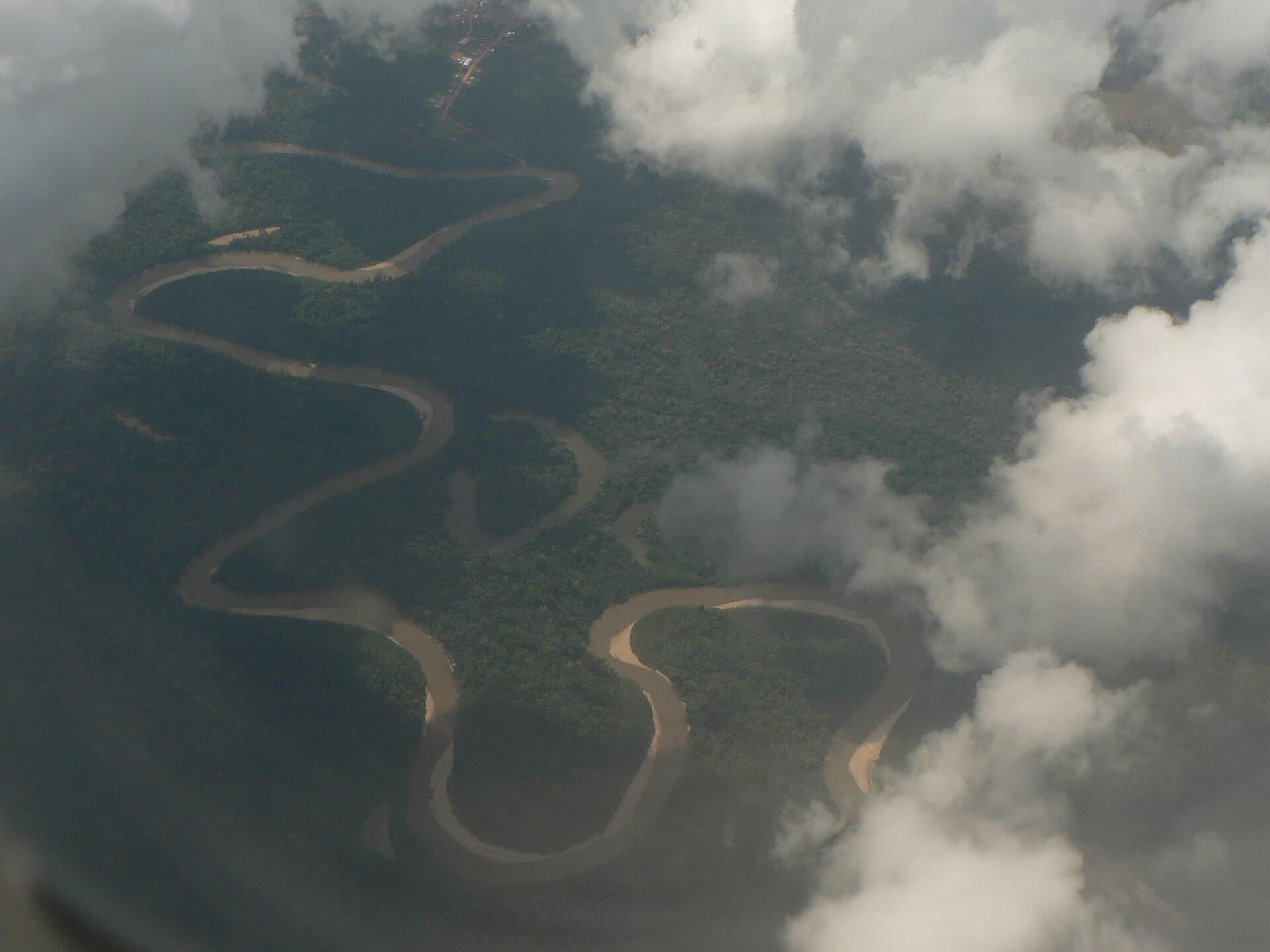
Why the San Pedro River Draws Visitors
The San Pedro River carves a gentle path through the semi-arid valleys of Cochabamba Department, offering a quieter alternative to Bolivia’s more famous highland lakes and Amazonian waterways. Its clear waters support riparian forests and farmland where local families grow corn, peaches, and grapes. Travelers come for the contrast of red cliffs, green riverbanks, and distant snow-capped peaks visible on clear days.
Getting There
Most visitors reach the river via Cochabamba city. Shared taxis and minibuses run southeast toward Aiquile and Mizque; ask to be dropped at any riverside community such as San Pedro or Puente San Pedro. From there, short walks or hired local transport lead to trailheads along the banks. A private vehicle gives flexibility for exploring side canyons.
Things to Do Along the River
Day hikes follow informal paths that hug the water’s edge, passing irrigation channels and small waterfalls. Birdwatchers scan for torrent ducks, Andean gulls, and occasional kingfishers. In the dry months, the river is shallow enough for careful wading and photography. Nearby villages host weekly markets where visitors can buy fresh produce and handmade textiles. Longer stays allow participation in community-led walks that explain traditional water management systems still in use today.
Best Time to Visit
The dry season from May to October brings lower water levels, clearer skies, and safer trails. Afternoon rains are rare, and daytime temperatures stay comfortable. November through April sees higher flows and greener vegetation but also muddy paths and occasional road washouts after heavy downpours.
Nearby Attractions
Within a half-day’s travel are the colonial streets of Mizque, the dramatic red-rock landscapes near Aiquile, and the highland puna above the valley. Some travelers combine a river visit with a stop at the nearby Incallajta archaeological site or the vineyards around Tarata.
Practical Considerations
- Carry plenty of water and sun protection; shade is limited along exposed sections.
- Local guides from riverside communities provide the safest navigation and cultural context.
- Respect private farmland and close gates behind you.