Why the San Jorge River Stands Out
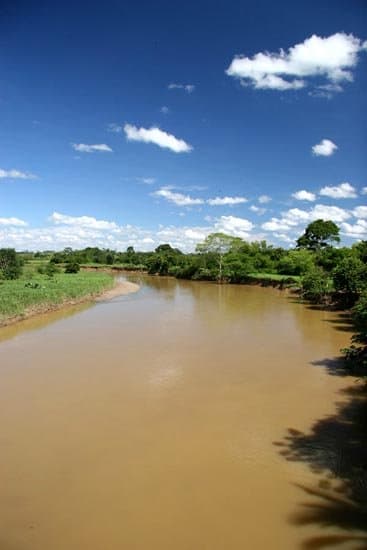
The San Jorge River winds through the departments of Antioquia and Córdoba in northern Colombia, carving a path through fertile valleys and tropical lowlands. Its clear waters support rich ecosystems where visitors spot colorful birds, fish, and occasional caimans along the banks. Unlike more commercialized rivers, the San Jorge offers a quieter experience focused on nature and local life in small riverside communities.
Activities Along the River
Travelers enjoy gentle boat rides that reveal changing landscapes from forested stretches to open farmland. Birdwatching is excellent here, with species such as herons and kingfishers commonly seen. Some visitors hire local guides for fishing trips or short hikes that lead to hidden swimming spots. Community-led tours sometimes include explanations of traditional fishing methods and river conservation efforts.
Practical Ways to Experience the River
- Join a half-day or full-day boat excursion departing from villages near the river’s middle course.
- Rent kayaks or stand-up paddleboards for independent exploration on calmer sections.
- Combine a river visit with stops at nearby farms to learn about cacao or plantain cultivation.
How to Reach the San Jorge River
The river is accessible by road from Medellín or Montería. Most visitors travel by bus to towns such as Caucasia or Planeta Rica, then arrange a short transfer or boat ride to reach the water. Renting a car provides flexibility for exploring multiple access points along the river’s length.
Best Time to Visit
The drier months from December through March bring lower water levels and easier navigation, making boat trips more reliable. The wetter season from April to November can produce dramatic scenery but may limit access to certain stretches due to higher currents.
Nearby Places Worth Adding
Combine a river trip with visits to the historic center of Santa Fe de Antioquia or the wetlands near the Gulf of Urabá. Travelers also explore the nearby Cauca River confluence or spend time in small towns known for their markets and colonial architecture.