History of San Andrés Castle
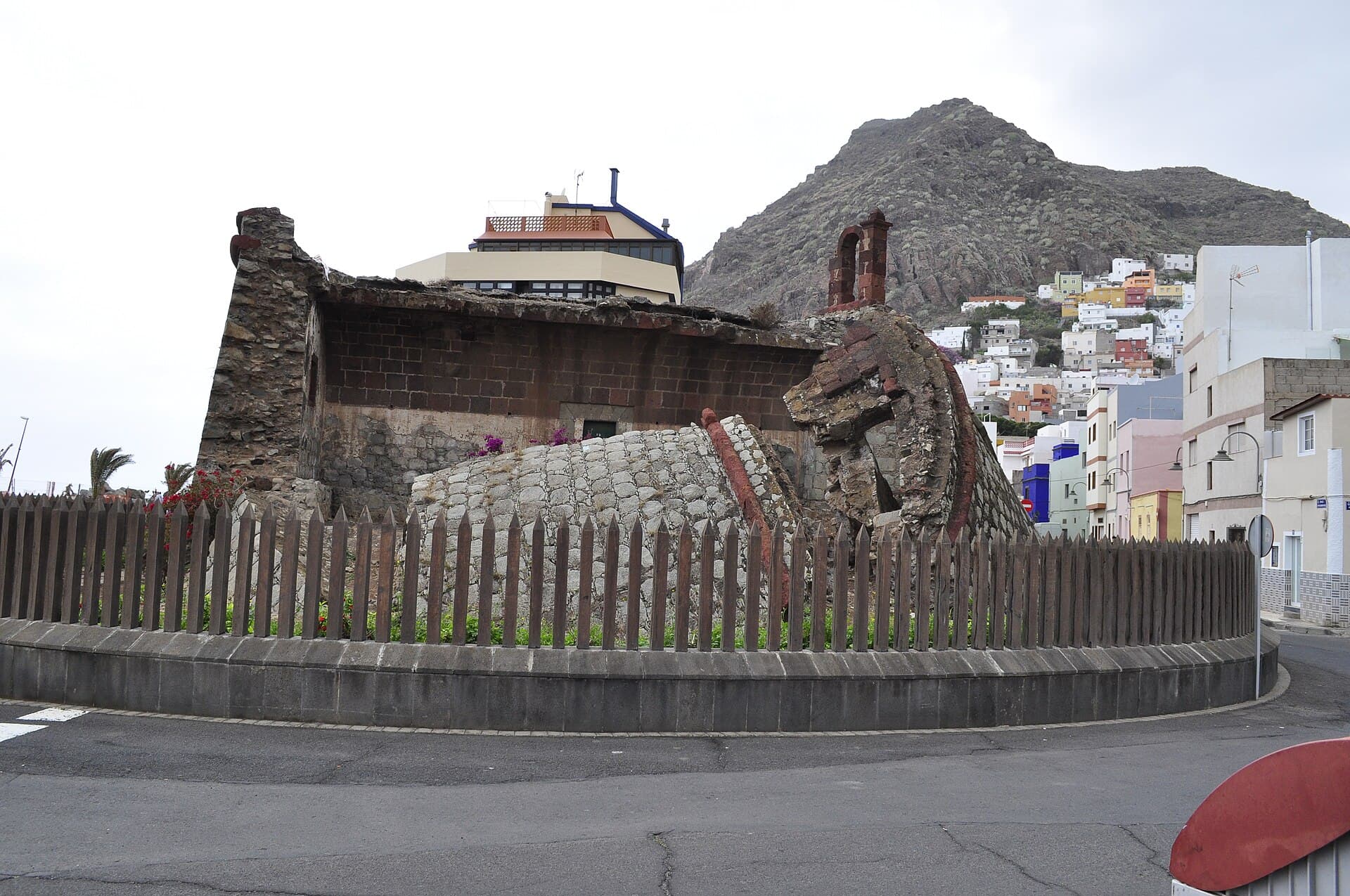
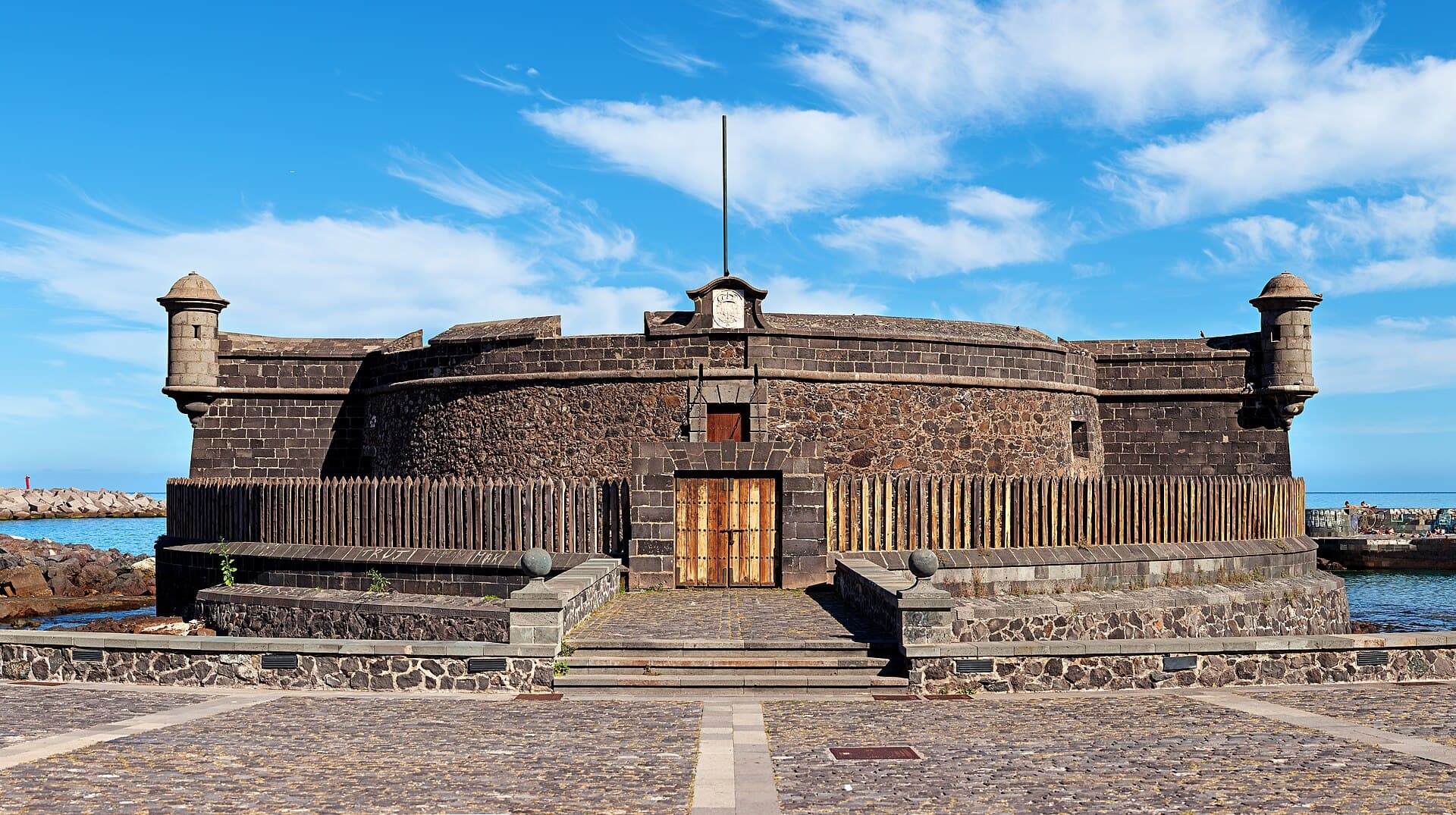
Constructed in the late 1600s on a rocky promontory in the fishing village of San Andrés, the castle formed part of Tenerife’s chain of coastal defenses. Its thick walls and low profile were designed to repel raids by Barbary pirates while protecting the natural harbor and nearby agricultural lands. Today the restored structure stands as one of the best-preserved examples of Canary Island military architecture.
What to See and Do
Walk the ramparts for unobstructed views of the Atlantic and the Anaga mountains. Inside, the small courtyard and vaulted rooms house interpretive panels that explain the castle’s role in local maritime history. Photographers favor the eastern bastion at golden hour when the light catches the dark volcanic stone. The adjacent pebble beach offers a quiet spot to combine a castle visit with a swim.
Practical Layout
- Enter through the main gate facing the sea.
- Follow the short path along the battlements, which takes about 20 minutes at a relaxed pace.
- Look for the original cannon embrasures still facing the horizon.
Getting There
From Santa Cruz de Tenerife, the TF-11 coastal road leads directly to San Andrés in roughly 15 minutes by car. Frequent buses stop at the village plaza, a five-minute walk from the castle entrance. Limited parking is available along the waterfront; arrive early on weekends to secure a spot. The site sits at the edge of the village, making it simple to combine with a seafood lunch at one of the harbor restaurants.
Best Time to Visit
Early morning or late afternoon avoids both the midday sun and any tour groups. Spring and autumn bring milder temperatures and clearer skies for photography. Winter months remain comfortable, though occasional Atlantic swells can make the surrounding paths slippery.
Nearby Attractions
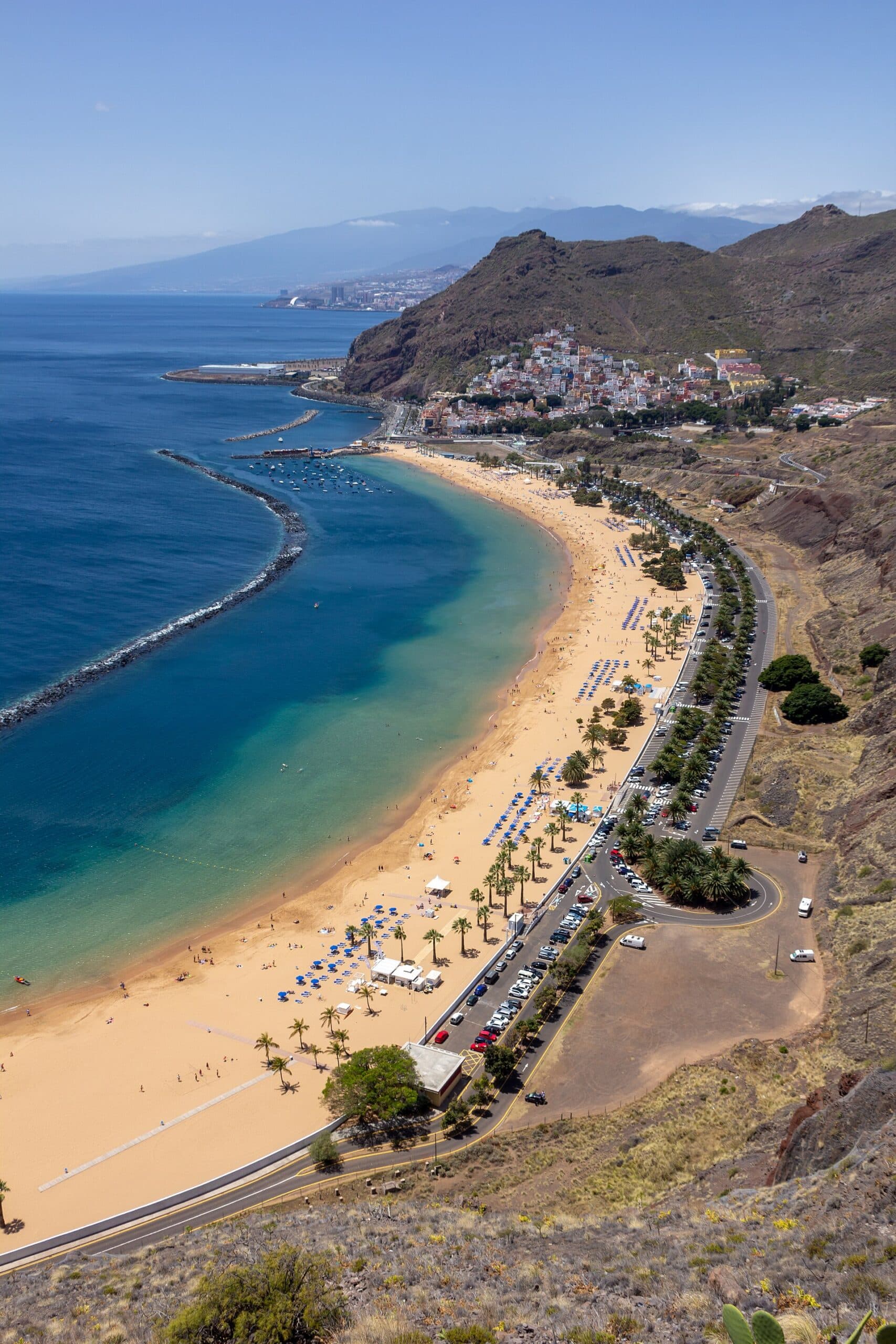
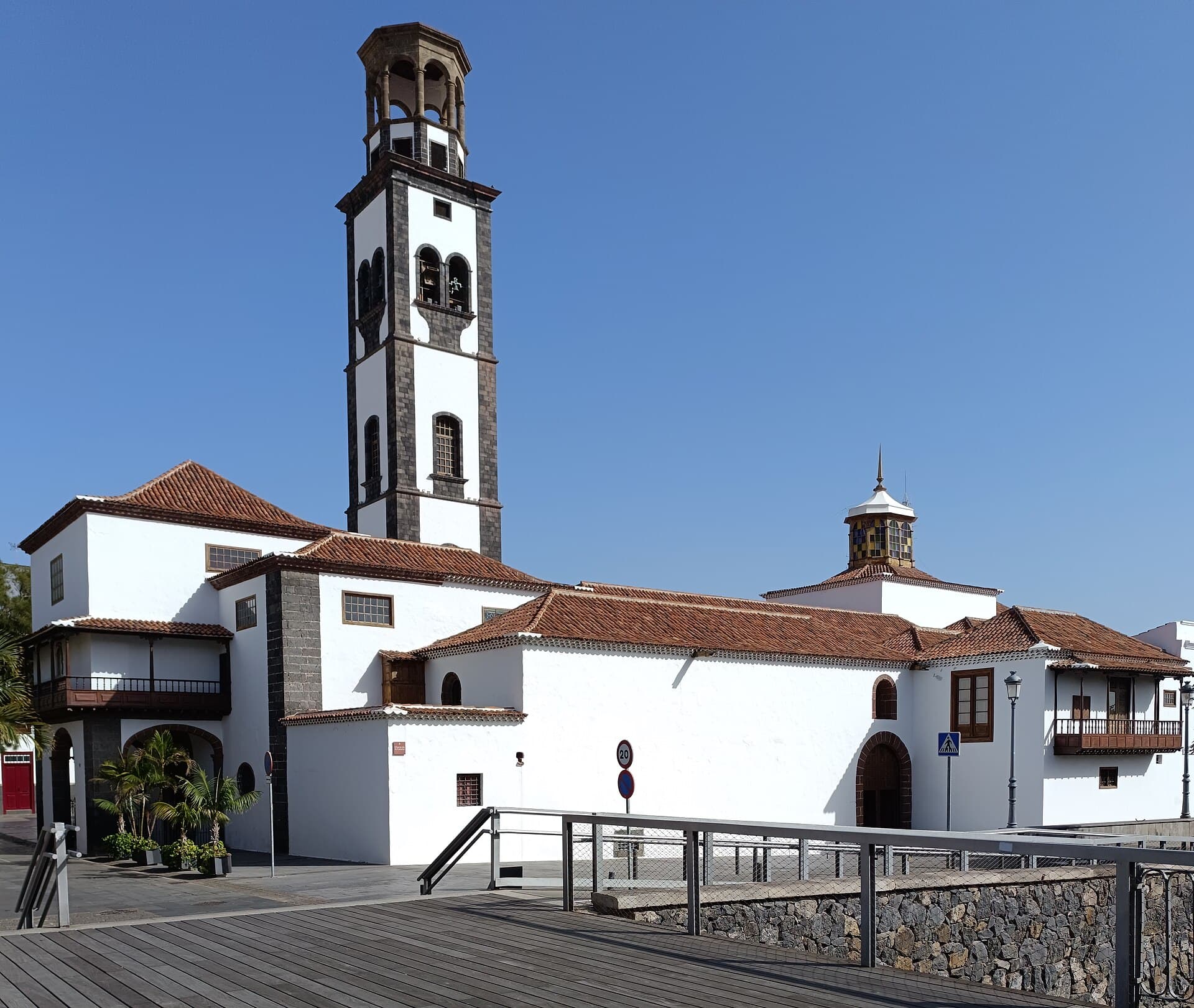
Combine the castle with a drive into the Anaga Rural Park for hiking trails through laurel forests. The black-sand beach at Playa de las Teresitas lies just minutes away, offering calm swimming protected by an artificial breakwater. Santa Cruz itself provides museums and the bustling Mercado de Nuestra Señora de África for local produce and crafts.