Why Visit Iglesia de la Concepción
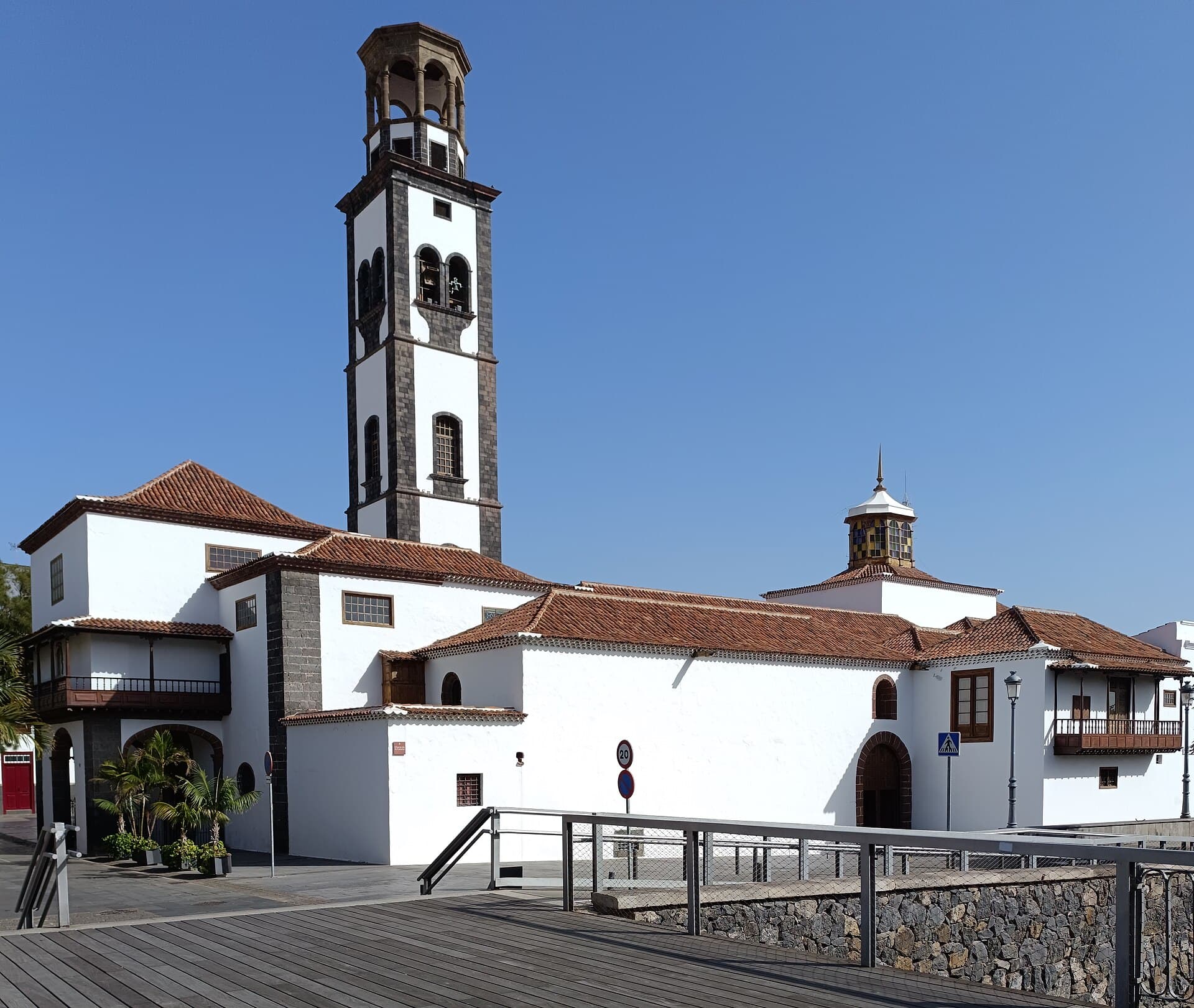
Located in the heart of Santa Cruz de Tenerife, Iglesia de la Concepción stands as the city’s principal parish church and a living record of Canary Island history. Founded shortly after the Spanish conquest, the building has been rebuilt and expanded over five centuries, blending Gothic, Renaissance, and Baroque elements that reveal how tastes and techniques evolved on the islands.
Architectural Highlights
The most striking exterior feature is the tall stone bell tower, visible from many streets in the old quarter and a useful landmark when navigating the compact city center. Inside, visitors find a spacious nave covered by an elaborate wooden ceiling of Mudéjar inspiration, its geometric patterns crafted from local pine. Side chapels house carved altarpieces and silverwork that illustrate the wealth brought by transatlantic trade. The baptismal font, dating to the earliest days of the church, remains in daily use and connects modern visitors directly to Tenerife’s founding era.
Getting There and Best Time to Visit
The church sits within easy walking distance of the cruise terminal and the main bus station, making it a natural first stop for day visitors arriving by sea or land. Those driving can use the large public garages around Plaza de España and stroll five minutes through pedestrian streets. Spring and autumn offer the most comfortable temperatures for wandering the surrounding lanes; summer mornings are pleasant before the midday sun intensifies, while winter visits allow quiet contemplation away from peak tourist flows.
Nearby Attractions
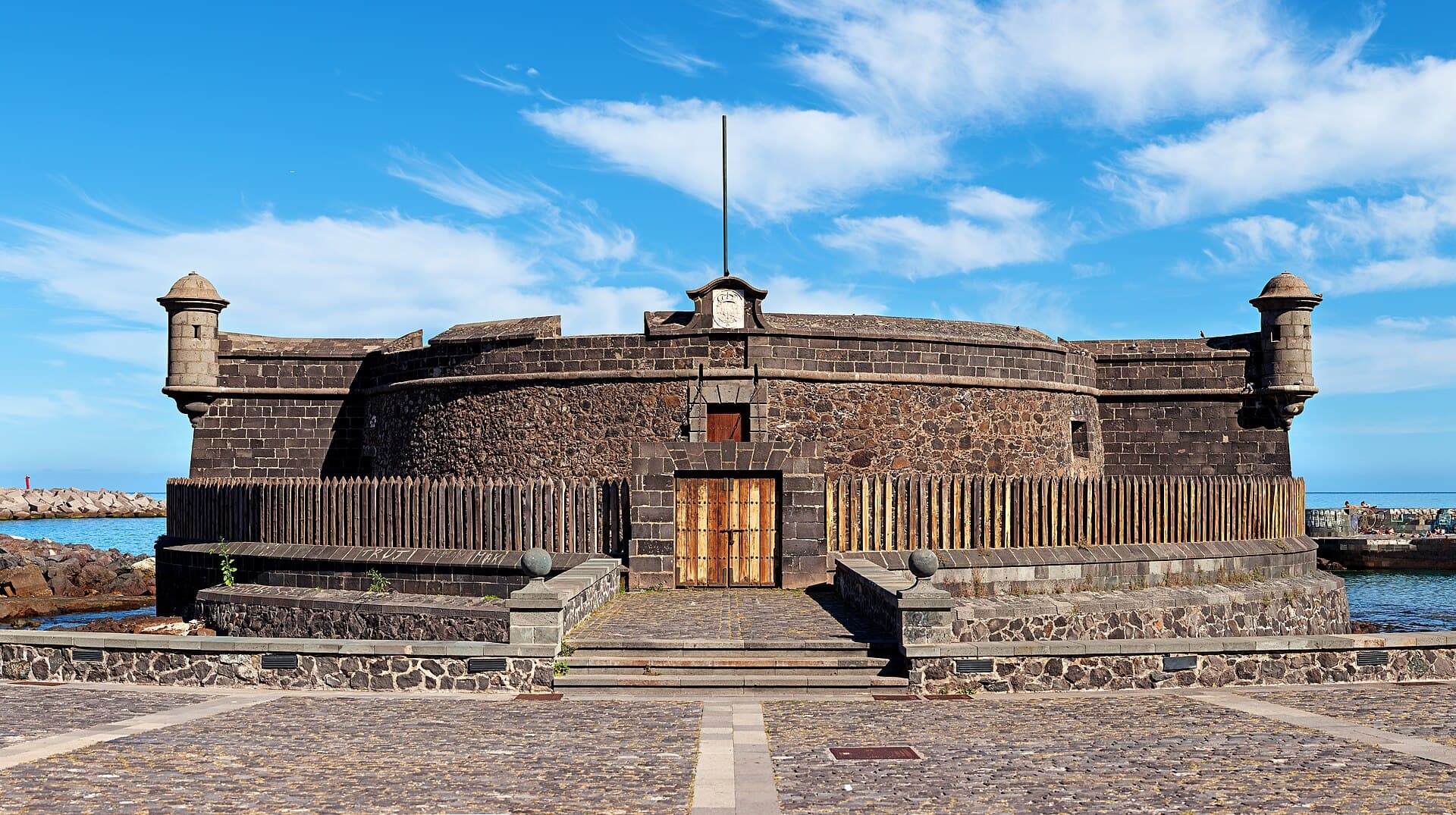
After exploring the church, continue to the adjacent Plaza de la Concepción for shaded benches and local cafés. A short walk leads to the bustling Mercado de Nuestra Señora de África, where fresh produce and Canarian cheeses provide a sensory contrast to the quiet interior of the church. Further along the waterfront, the modern Auditorio de Tenerife and the historic Castillo de San Juan offer contrasting views of the city’s evolution from fortified port to cultural hub.
Practical Visiting Advice
Photography is permitted in the nave but restricted during services; early morning or late afternoon slots usually avoid both crowds and ceremonies. Comfortable shoes are essential because the surrounding streets remain cobbled. Combining the visit with a stroll through the adjacent historic quarter gives a fuller sense of how the church has anchored neighborhood life for generations.