Why Visit Saja-Besaya Natural Park
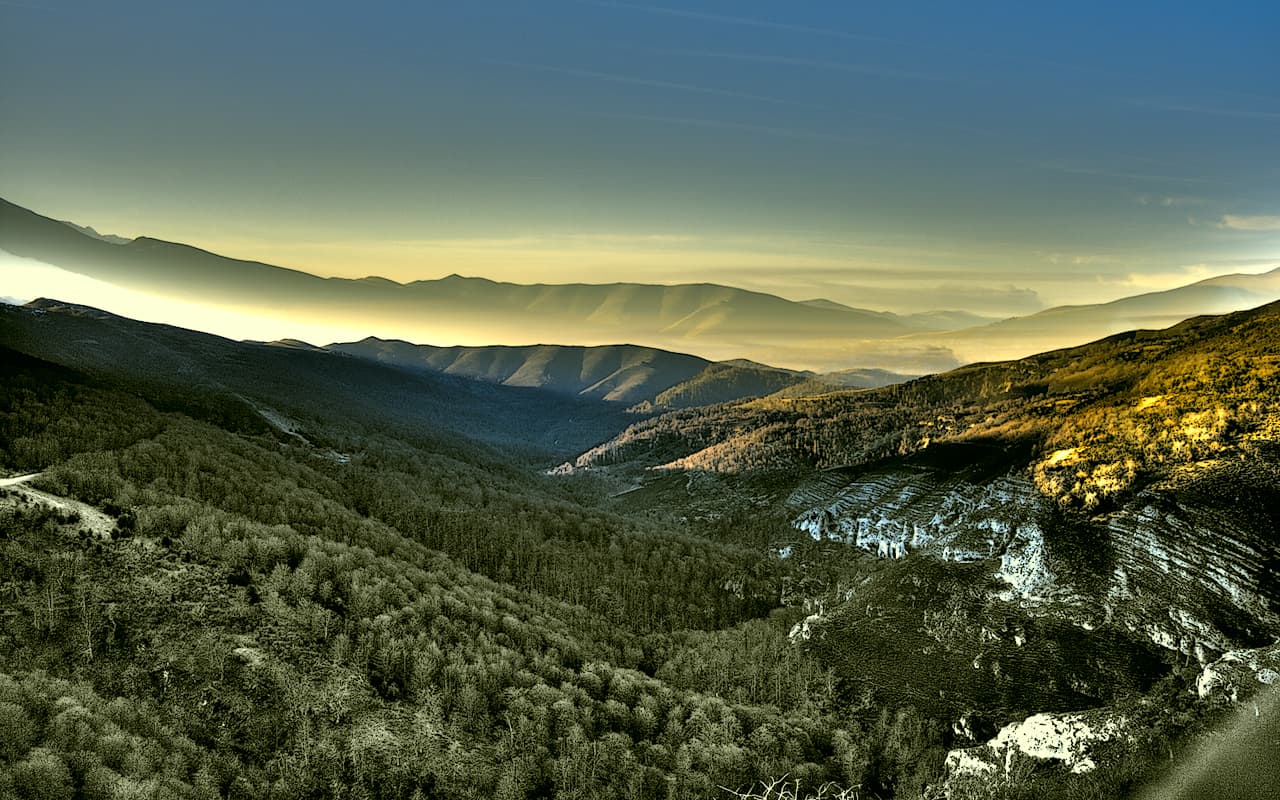
Spanning the valleys of the Saja and Besaya rivers in Cantabria, this protected area preserves one of the largest continuous beech forests in the region. The park’s steep slopes, karst formations, and mixed oak and beech woodland create habitat for red deer, roe deer, wild boar, and occasional sightings of Cantabrian chamois. Visitors come for the silence, the changing seasonal colors, and the chance to walk for hours without encountering crowds.
Trails and What to See
The most rewarding walks start from the village of Saja or the Puerto de la Fuente del Chivo pass. Popular routes include the ascent to Peña Cabarga for sweeping views over the coast on clear days and the circular path through the Ucieda beech forest, where ancient trees form a dense canopy. In autumn the foliage turns vivid gold and orange; in spring the meadows fill with wildflowers and the calls of deer. Look for interpretive panels explaining the traditional use of the forest for charcoal and timber.
Wildlife Watching
Early morning or dusk offers the best chances to observe wildlife. Red deer herds often graze in open clearings above the treeline. Binoculars are useful; keep a respectful distance and avoid making noise. The park also supports a small population of golden eagles and, in remote corners, the occasional Iberian wolf.
Getting There and Getting Around
The park lies roughly 40 km south of Santander. Travelers can reach the northern entrances via the N-611 road toward Reinosa, then follow signs to Saja or Bárcena de Pie de Concha. Public buses run to nearby villages but are infrequent; most visitors rent a car or join organized nature tours. Inside the park, roads are narrow and winding—allow extra time and park only in designated areas to protect fragile ground.
Best Time to Visit
Late spring through early autumn provides the most reliable weather for hiking. October brings spectacular leaf color and rutting deer but can turn cool and wet quickly. Winter visits are possible for snowshoeing on lower trails, though higher passes may close due to snow and ice.
Nearby Places Worth Combining
Many travelers pair a day in Saja-Besaya with the Cabárceno Natural Park to the north or the historic town of Santillana del Mar and its famous Altamira Cave. The dramatic gorge of the River Saja near Torrelavega also makes an easy half-day extension.