Keep reading
Nearby & related
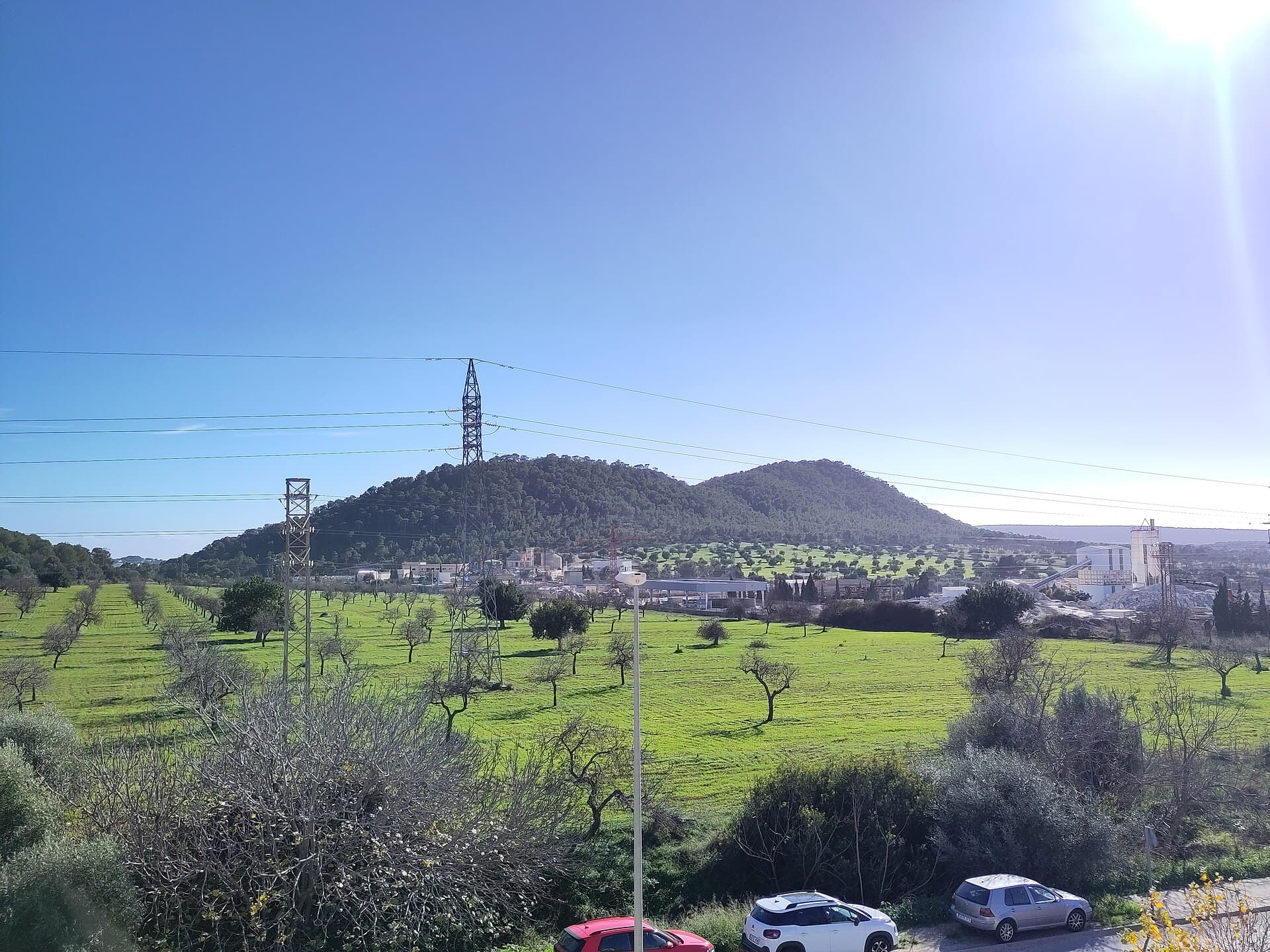
Puig de sa Selleta: Hiking Mallorca’s Quiet Tramuntana Peak
A rewarding, low-crowd ascent through olive terraces and pine forest to sweeping views over western Mallorca.
21 September 2026
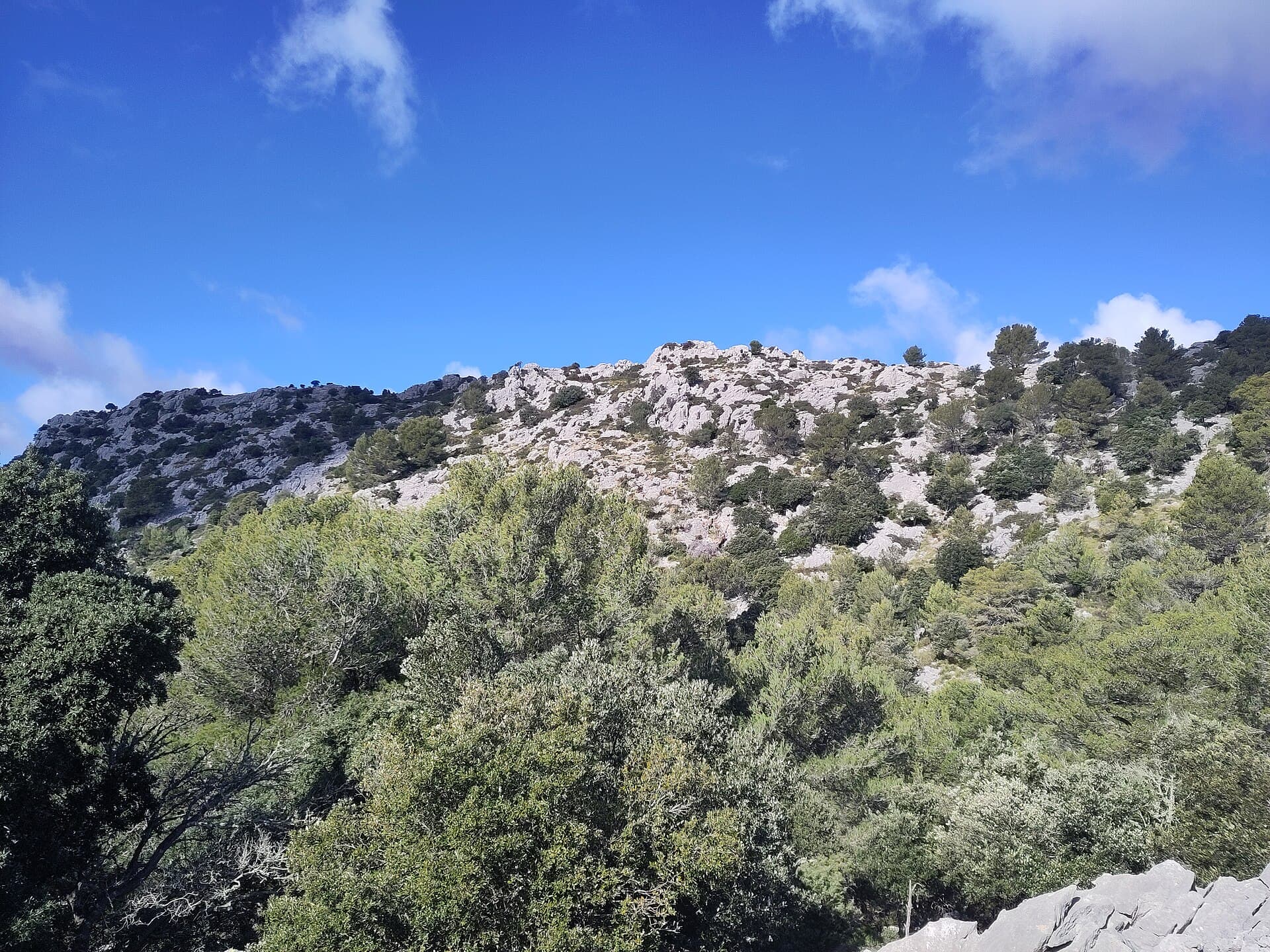
A rugged mountain summit offering sweeping views across northern Mallorca’s Tramuntana range and coastline.
Sa Capella Blava rises as a distinctive limestone summit in Mallorca’s Serra de Tramuntana, rewarding hikers with unobstructed panoramas of the Mediterranean and inland valleys. Its name, meaning the Blue Chapel, comes from the striking blue-tinged rock formations visible from certain angles and the sense of quiet reverence the isolated peak inspires. The mountain remains less crowded than nearby Puig Major, offering a genuine sense of solitude amid fragrant pine forests and dramatic karst landscapes.
The trailhead is reached by car via the Ma-10 road that threads through the Tramuntana mountains between Sóller and Pollença. Limited parking is available at the Coll de sa Batalla area; from there a clear path leads uphill. Public buses stop at nearby villages such as Fornalutx or Lluc, but hikers must then walk additional sections along quiet roads. The approach is straightforward yet steep, best suited to those with moderate fitness.
Spring (March to May) and autumn (September to November) bring mild temperatures and fewer visitors. Summer heat can make the exposed upper slopes uncomfortable, while winter occasionally brings snow or ice at higher elevations. Early morning starts help avoid afternoon winds that often sweep across the ridge.
The main route climbs steadily through Aleppo pine woodland before emerging onto open rocky ground. The final section involves some easy scrambling over pale limestone. At the summit, hikers enjoy 360-degree vistas that stretch from the Puig Major massif in the west to the sea near Alcúdia in the east. On clear days the island of Menorca is visible on the horizon. Carry plenty of water; there are no facilities on the mountain itself.
Combine the hike with a visit to the nearby Monestir de Lluc, a historic monastery with beautiful gardens, or continue along the GR-221 dry-stone path toward the coastal village of Deià. The mountain also serves as a gateway to longer traverses of the Tramuntana ridge for experienced walkers.
Paths are generally well-marked with cairns and occasional paint blazes, yet GPS navigation is recommended in case of sudden mist. Wear sturdy shoes with good grip and bring a lightweight windproof layer. Respect the fragile mountain environment by staying on established trails and taking all litter away with you.
Keep reading
A rewarding, low-crowd ascent through olive terraces and pine forest to sweeping views over western Mallorca.
The route is moderate to strenuous, with a steady climb and some easy scrambling near the top; allow three to four hours round-trip for most hikers.
Beginners with good fitness can manage it, but the terrain is rocky and steep in places; those new to mountain hiking should consider joining a guided group.
No facilities or reliable water sources exist; hikers must carry everything they need and plan to descend for refreshments.
Winter visits are possible but require extra caution for ice or snow on the upper slopes and shorter daylight hours.
Sturdy hiking boots, a sun hat, windproof jacket, sunscreen, and sufficient food and water are essential; trekking poles help on the loose scree sections.
A small cairn and occasional paint marks indicate the high point, though the open terrain makes navigation straightforward once above the tree line.
This modest peak in the Serra de Tramuntana rewards hikers with sweeping Mediterranean views and a peaceful escape from…
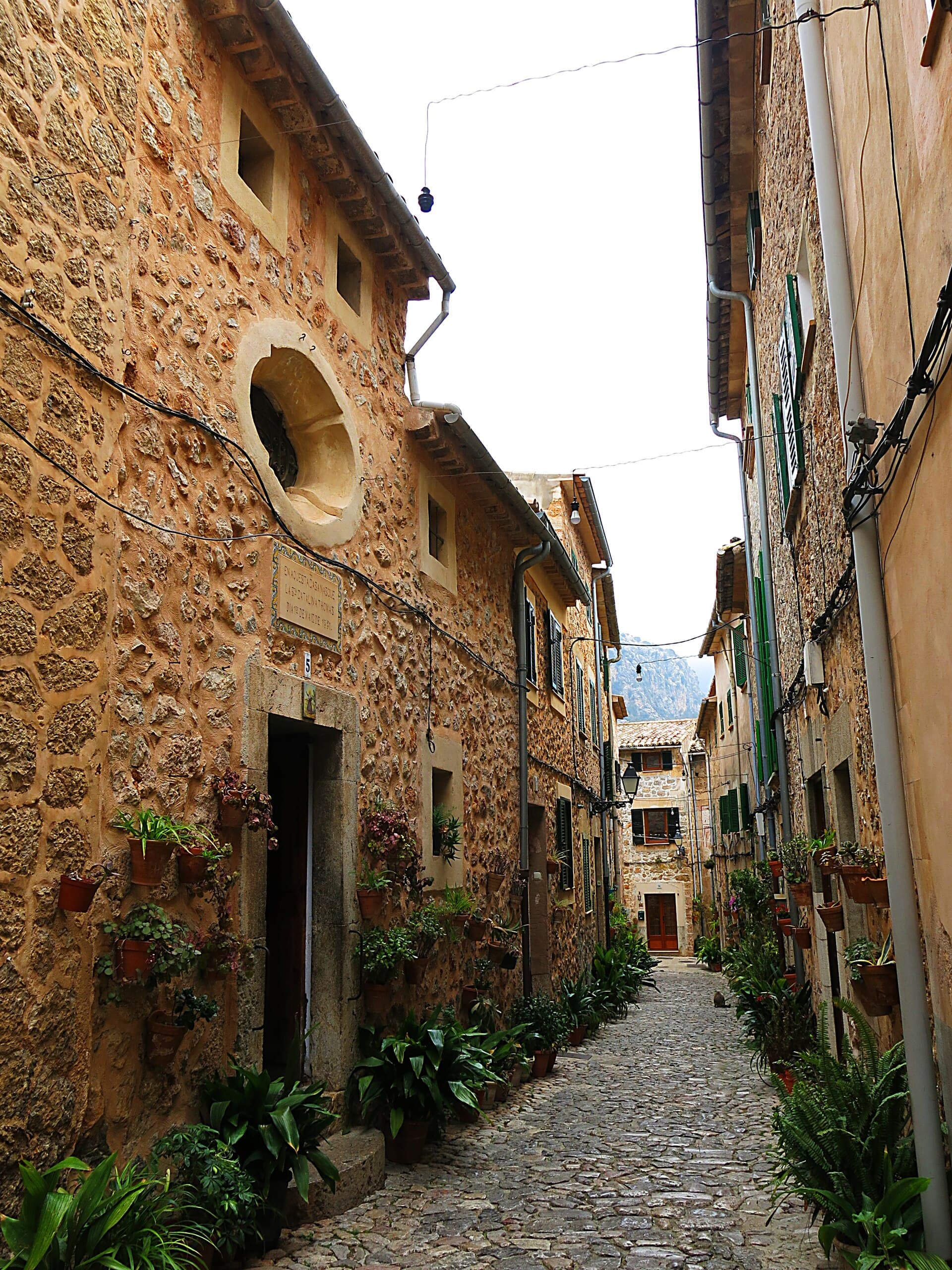
Step into the preserved 16th-century home where Mallorca’s only canonized saint was born and explore her quiet path to…