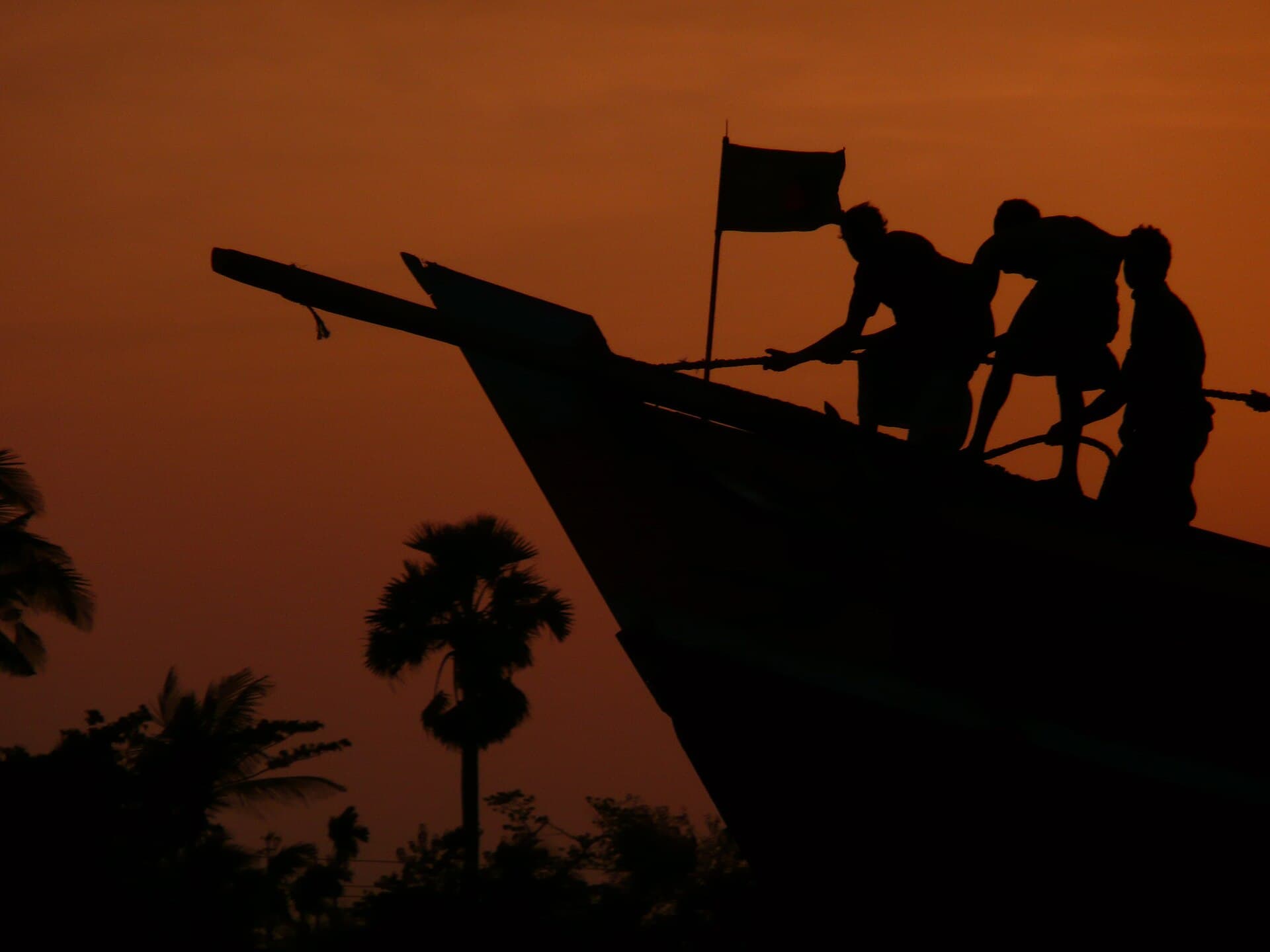
Why the Rupsha River Draws Visitors
The Rupsha flows through the heart of Khulna city, carrying fishing boats, passenger ferries, and local traders. Its wide, slow-moving waters reflect the rhythm of delta life while serving as the main gateway for travelers heading toward the Sundarbans. Unlike more remote rivers, the Rupsha remains easily reachable from Khulna’s rail and bus stations, making it a practical starting point for day trips or longer explorations.
Things to See and Do
Boat Rides on the Rupsha
Traditional wooden launches and small engine boats ply the river daily. Short crossings connect the two banks, while longer hires let visitors watch river traffic, passing under the Rupsha Bridge and observing riverside markets unloading produce. Dawn and late-afternoon departures offer softer light and cooler temperatures.
Observing Local Life Along the Banks
Walk or cycle the embankments near the ferry ghats to see fish drying on racks, boat builders at work, and women washing clothes in the shallows. The riverfront provides an unhurried window into Khulna’s working waterfront without entering restricted port areas.
Gateway to the Sundarbans
Many Sundarbans tour launches depart from Rupsha ghats or nearby Mongla. The river links directly to the mangrove network, so travelers can combine a morning river cruise with an afternoon or overnight trip into the forest reserve.
Getting There
Khulna city lies on the Rupsha’s western bank. Trains from Dhaka reach Khulna station in roughly six to eight hours; buses from Dhaka or Barisal arrive at the main terminal a short rickshaw ride from the river. Once in Khulna, local CNGs or rickshaws reach the main ferry ghats in under fifteen minutes. From the eastern bank, roads continue toward Bagerhat and the Sundarbans entry points.
Best Time to Visit
November through March brings cooler, drier weather with lower river levels and calmer winds, ideal for comfortable boat travel. April and May grow hot and humid before the monsoon; June to October brings heavy rain and stronger currents that can disrupt schedules.
Nearby Attractions
- Historic mosques and temples in Bagerhat, a short drive south.
- Khulna’s riverside markets and the Bangladesh Railway headquarters museum.
- Mongla port and the Sundarbans visitor center for mangrove excursions.